10 Benefits of Wood Ash for Your Garden
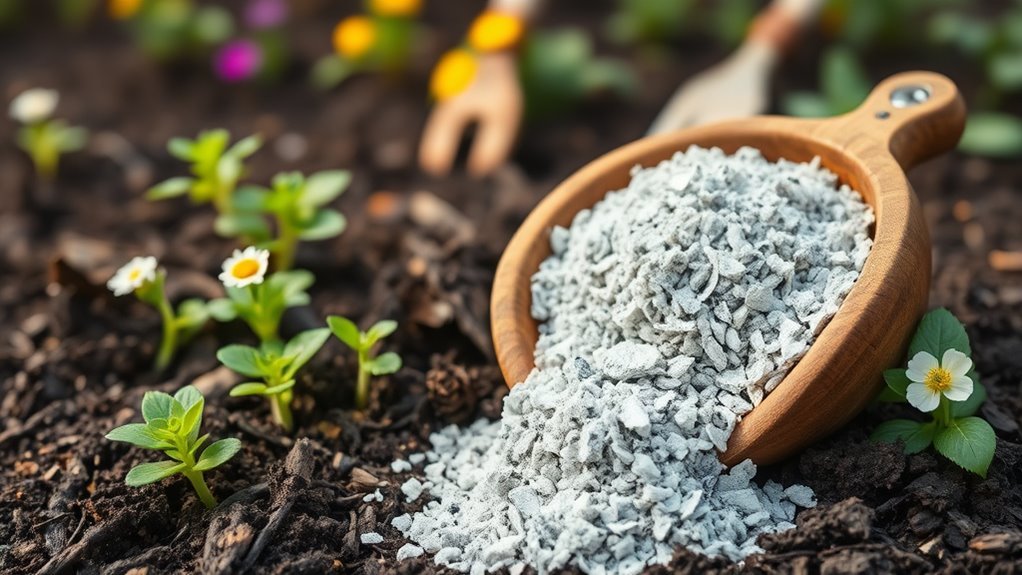
You can boost your garden by adding wood ash, which supplies potassium, calcium, phosphorus, and trace minerals to nourish plants and improve root growth.
Plus, it naturally raises acidic soil pH, acting as a great alternative to lime. This means your soil gets healthier and your plants get stronger.
Wood ash also enhances compost quality for faster decomposition. It’s a smart way to recycle and enrich your garden at the same time.
On top of that, wood ash deters pests like slugs, helping to protect your plants without harsh chemicals.
Just remember to apply it carefully in winter on moist soil. Avoid overusing it to prevent making your soil too alkaline.
Keep your garden thriving with these simple tips, and you’ll discover even more ways to get the most from wood ash.
Key Takeaways
- Wood ash enriches soil with essential nutrients like potassium, calcium, phosphorus, and trace minerals. This boost helps improve overall plant health and growth.
- It also raises soil pH effectively, which neutralizes acidity. This makes the soil more fertile, especially for plants that like alkaline conditions.
- Applying wood ash can speed up compost decomposition. It balances the carbon-to-nitrogen ratio and adds important minerals.
- Plus, wood ash works as a natural pest deterrent. It creates a barrier against slugs and snails while helping plants build resistance.
- Just be careful with how much you use. Avoid applying too much, keep it away from acid-loving plants, and mix the ash into moist soil to get the best results and avoid damage.
What Nutrients Does Wood Ash Provide?
While wood ash might seem like just leftover residue, it actually offers your garden a rich source of essential nutrients. Wood ash contains about 3% potassium, a crucial plant nutrient that helps transport other nutrients within your plants, boosting their growth.
It also delivers significant amounts of calcium, often making up over 20% of its content. This calcium strengthens cell walls and promotes overall plant health.
Additionally, wood ash provides phosphorus, which is important for root development and flowering. You’ll also find trace elements like iron, manganese, boron, copper, and zinc— all vital for various plant functions.
How Does Wood Ash Improve Soil pH and Acidity?
Because wood ash contains high levels of calcium carbonate, it effectively neutralizes soil acidity and raises pH levels. When you apply wood ash to acidic soils, it can raise the pH by 0.5 to 1.0 units, improving nutrient availability.
Wood ash works similarly to agricultural lime, so you can substitute about four cups of wood ash for one pound of lime. However, if your soil’s pH is already above 7.0, keep an eye on it to avoid making it too alkaline.
Here’s a quick comparison:
| Property | Wood Ash | Agricultural Lime |
|---|---|---|
| pH impact | Raises by 0.5-1.0 | Raises by 0.5-1.0 |
| Calcium carbonate | High | High |
| Application rate | 4 cups = 1 pound | 1 pound |
| Best for | Acidic soils | Acidic soils |
| Monitoring needed | Yes | Yes |
Use wood ash wisely to raise the pH and improve soil health.
Which Plants Benefit Most From Wood Ash Nutrients?
You’ll find wood ash especially helpful for root crops like carrots and beets, as it boosts potassium for stronger roots.
Plants that tolerate alkaline soil, such as cabbage and broccoli, also benefit from the calcium and magnesium in wood ash.
Knowing which plants thrive with these nutrients helps you use wood ash effectively in your garden.
Alkaline-Tolerant Plants
Many alkaline-tolerant plants, like asparagus, cabbage, and broccoli, thrive when you add wood ash to your garden. Wood ash raises soil pH, making it ideal for these plants that prefer neutral to slightly alkaline soil.
It also boosts nutrient availability by adding potassium and calcium, which are essential for healthy growth. Using wood ash carefully can improve soil fertility without harming your plants.
| Plant Type | Preferred Soil pH | Key Nutrients from Wood Ash |
|---|---|---|
| Asparagus | 6.5 – 7.5 | Potassium, Calcium |
| Cabbage | 6.0 – 7.5 | Potassium, Calcium |
| Broccoli | 6.0 – 7.0 | Potassium, Calcium |
| Daylilies & Peonies | 6.5 – 7.5 | Calcium |
Go ahead and add wood ash to support your alkaline-tolerant plants’ growth and vigor. It’s an easy way to give your garden a natural boost!
Root Crop Benefits
When you add wood ash to your garden, root crops like carrots, parsnips, and beets benefit from the boost in potassium and calcium. These nutrients support strong root development and sweeter flavors.
Wood ash supplies essential plant nutrients, especially potassium, that enhance root growth. It also improves soil structure thanks to its high calcium content.
In acidic soils, wood ash raises pH levels, which increases nutrient availability for these root crops. The magnesium in wood ash promotes healthy chlorophyll production, crucial for vibrant plant growth.
Plus, wood ash helps deter pests such as turnip flies that commonly affect root crops. This leads to healthier yields.
How Wood Ash Helps Root Crops and Legumes Thrive
Although root crops and legumes have different nutrient needs, wood ash supports both by supplying key minerals like potassium, phosphorus, and calcium.
Wood ash boosts root crops such as carrots and beets by providing potassium, which helps transport food and develop sugars. This improves their flavor and growth.
Wood ash enriches root crops by supplying potassium, enhancing sugar development and overall flavor.
For legumes like peas and beans, the calcium in wood ash enhances nodulation. That promotes nitrogen fixation and healthier plants.
Wood ash also neutralizes soil acidity, creating a more favorable environment for both root crops and legumes that prefer less acidic soil.
When and How Should You Apply Wood Ash in Your Garden?
You should apply wood ash to bare soil in winter and rake it in to let nutrients absorb before spring planting. Always sift the ash to remove debris.
Avoid using more than 15 to 20 pounds per 1,000 square feet each year. Keep an eye on your soil’s pH and mix ash carefully to protect your plants and compost.
Timing For Application
Since wood ash can impact soil chemistry considerably, applying it at the right time is essential for your garden’s success. The best time to apply wood ash is during winter on bare soil. This lets it react with moisture and improve nutrient availability before spring planting.
When using wood ash in your vegetable garden, rake or dig it into the soil about two weeks before planting. This helps avoid seed damage from its high salt content.
Always monitor your soil pH regularly, especially if you frequently apply wood ash. Keeping it below 7.0 is key for ideal plant health.
Remember not to exceed 15 to 20 pounds per 1,000 square feet annually. This prevents excessive alkalinity and helps maintain a balanced garden environment.
Preparation And Safety
When preparing to apply wood ash in your garden, start by sifting it to remove large charcoal pieces and contaminants. This preparation step guarantees a cleaner, more effective application.
For your safety, always wear protective gear like gloves, a dust mask, and eye protection to avoid irritation from the ash’s alkaline nature. It’s better to be cautious!
Follow these guidelines to maintain safety and effectiveness:
- Apply wood ash during winter or early spring, letting it integrate with moist soil before planting.
- Limit your application to 15-20 pounds per 1,000 sq. ft. annually to prevent soil alkalinity issues.
- Avoid using wood ash near acid-loving plants like blueberries and azaleas, which can suffer from pH changes.
Proper preparation and safety protect both you and your garden’s health. So, take your time and do it right!
Application Techniques
After preparing wood ash properly and taking safety precautions, the next step is applying it effectively in your garden. Use proper application techniques by spreading wood ash on bare soil during winter. This timing lets the ash interact with moisture, improving nutrient availability and soil health before spring planting.
Sift the ash to remove debris, then mix it into moist soil with a rototiller or rake for even distribution. Limit application to 10-15 pounds per 1,000 square feet annually to avoid raising soil alkalinity too much.
Since wood ash can increase soil pH, monitor your soil regularly—especially if it’s naturally acidic—to prevent pH from exceeding 7.0. That’s important because too high a pH could harm sensitive plants.
You can also add wood ash to compost heaps every 15 cm to balance pH and enrich nutrients. It’s a simple way to boost your compost’s quality without overdoing it.
How Wood Ash Can Boost Your Compost Quality
Although compost naturally enriches your soil, adding wood ash can greatly boost its quality by supplying essential nutrients like potassium, phosphorus, and calcium. When you mix wood ash into your compost, you enhance its nutrient profile while balancing soil pH, creating an ideal environment for plant growth.
Here are three key benefits:
- Wood ash improves the carbon-to-nitrogen ratio, speeding up decomposition for richer compost.
- It adds trace elements such as iron, manganese, and zinc, which are vital for plant metabolic functions.
- About 4 cups of wood ash can replace 1 pound of aglime, helping to regulate soil pH naturally within the compost mix.
Using Wood Ash to Naturally Deter Common Garden Pests
Since many common garden pests thrive in moist environments, you can naturally deter them by sprinkling dry wood ash around your plants. Wood ash creates a dry, abrasive barrier that slugs and snails dislike, effectively keeping these pests away.
Its alkaline nature disrupts pest habitats, reducing their presence without harmful chemicals. Plus, trace minerals like boron and copper in wood ash act as natural deterrents while nourishing your soil.
Applying about 50-70 grams per square meter balances pest control and plant health. And the potassium in wood ash helps strengthen plants, making them more resilient against infestations.
How to Safely Use Wood Ash Without Harming Plants
When handling wood ash, make sure you wear gloves, goggles, and a dust mask to protect your skin, eyes, and lungs. It’s important to keep yourself safe when dealing with ash.
Apply the ash only to moist soil and do so a few weeks before planting to avoid harming seeds. This way, your plants won’t get damaged. Timing and safety gear are key to using wood ash without damaging your garden.
Protective Gear Essentials
To safely handle wood ash in your garden, you’ll need to wear protective gear like gloves, eye goggles, long sleeves, and a dust mask. This gear prevents skin irritation, eye damage, and respiratory issues caused by fine ash particles.
Here’s what to focus on:
- Always wear a dust mask to avoid inhaling ash, especially on windy days when particles can easily become airborne.
- Use long sleeves, gloves, long pants, and closed-toed shoes to protect your skin from the alkaline nature of wood ash.
- Rinse any tools thoroughly after use to prevent residual ash from spreading and harming other garden areas.
Following these steps keeps you safe and guarantees your plants stay healthy while benefiting from wood ash. It’s a simple way to work smart and stay protected!
Application Timing Tips
Although wood ash can enrich your soil, applying it at the right time is crucial to avoid damaging your plants. For best results, apply wood ash during winter on bare soil. This gives the nutrients time to react with moisture before spring planting.
This timing improves nutrient availability and supports healthy plant growth. Always test your soil pH before application. Avoid using wood ash if your pH exceeds 6.5 to protect acid-loving plants.
Limit application to 10-15 pounds per 1,000 square feet annually. This helps prevent excessive alkalinity and nutrient lock-up. Also, avoid spreading wood ash near germinating seeds since its high salt content can harm seedlings.
Make sure to rake or dig wood ash into moist soil a few weeks before planting. This guarantees even distribution and helps prevent root burn. Proper application timing really safeguards your garden’s health.
Why Avoiding Overapplication of Wood Ash Matters
Because wood ash can dramatically increase soil pH, applying too much can create alkaline conditions that stunt the growth of acid-loving plants like blueberries and azaleas. Avoiding overapplication of wood ash is crucial to maintain a balanced garden environment.
Excessive ash can cause nutrient lock-up, making essential nutrients unavailable to your plants. Over time, repeated use can harm soil health by disrupting beneficial microbes.
Here’s why you should be cautious:
- Overapplication raises soil pH, stressing acid-loving plants.
- High ash levels lead to nutrient lock-up, causing deficiencies.
- Excess ash disrupts soil microbes, reducing overall soil vitality.
Stick to 10-20 pounds per 1,000 square feet annually to protect your garden’s health and guarantee thriving plants. It’s a simple step that makes a big difference.
Choosing the Right Wood Ash for a Healthy Garden
When selecting wood ash for your garden, you’ll want to choose sources that are free from contaminants and rich in nutrients. Use ash from trees grown in natural areas to avoid heavy metals often found in industrial or treated wood ash.
Hardwood ash, like oak, generally offers higher nutrient content, enhancing soil fertility and benefiting plant growth more than softwood ash. Before applying, sift the wood ash to remove charcoal pieces and debris that could harm your plants.
Hardwood ash, such as oak, enriches soil more than softwood ash and should be sifted before use.
Keep an eye on your soil pH, since wood ash raises alkalinity. You should avoid using it if your soil pH is above 7.0 to protect plant health.
Also, balance wood ash with organic matter and limit application to 10–15 pounds per 1,000 square feet annually. It’s a good idea to adjust based on soil tests.
Frequently Asked Questions
Which Plants Do Not Like Wood Ash?
You shouldn’t use wood ash on acid-loving plants like blueberries, azaleas, and rhododendrons. It can harm strawberries, potatoes, and sensitive seedlings by raising soil pH, causing root burn, or promoting diseases. Avoid it for these.
When Should You Add Wood Ash to Your Garden?
Just like spring awakens nature, you should add wood ash in late winter or early spring. This timing lets it mingle with moist soil, preparing your garden for a fruitful season and healthy plants ahead.
What Are the Disadvantages of Using Wood Ash?
You risk raising soil pH too much, harming acid-loving plants, and increasing disease like potato scab. Overusing wood ash can cause nutrient imbalances, toxicity, and heavy metal buildup, so you must apply it carefully and sparingly.
Which Vegetables Love Wood Ash?
You’ll think wood ash is magic for carrots, parsnips, beets, peas, beans, brassicas, and tomatoes! It boosts potassium and calcium, supercharging root growth, foliage, and fruit quality—but skip it for acid-loving plants like blueberries and potatoes.
Conclusion
Using wood ash in your garden can boost soil nutrients and improve pH balance, helping your plants thrive. Did you know that wood ash contains up to 7% potassium, which is essential for strong root growth?
Just remember to apply it carefully to avoid overdoing it, as too much can harm your plants. By choosing the right type of ash and using it at the right time, you’ll naturally enhance your garden’s health.
Plus, wood ash can help keep pests at bay, making it a great natural option. When you use wood ash correctly, it enriches your soil with key nutrients and balances acidity, promoting healthier, more vibrant plants. So, incorporating wood ash into your gardening routine is a smart way to improve soil quality and plant growth while reducing pest problems naturally.