7 Tips to Keep Rats Out of Your Garden
To keep rats out of your garden, start by removing any food sources like fallen fruit and securing compost properly.
Rats are attracted to easy meals, so cutting off their food supply is key.
Next, trim back vegetation and clutter to eliminate hiding spots and block entry points.
Rats love to hide in dense bushes and piles of debris, so keeping your garden tidy really helps.
Use natural deterrents like garlic spray and strong-smelling herbs such as mint to make your garden less inviting.
These scents can confuse or repel rats without harming your plants.
Also, store pet food in rodent-proof containers and monitor your garden regularly for signs of rats.
Catching the problem early can save a lot of trouble down the line.
If rats stick around despite your efforts, it might be time to contemplate professional help.
Exploring these steps can help you protect your garden effectively and enjoy a rat-free outdoor space.
Key Takeaways
– Remove food sources like fallen fruit and secure compost to reduce rat attraction.
It really helps to keep things tidy and less inviting for them.
– Trim vegetation and clear clutter to eliminate rat hiding spots and nesting areas.
Rats love cozy places, so cutting back on those can make a big difference.
– Use natural deterrents such as garlic spray and peppermint oil around garden borders.
These smells can be pretty effective at keeping rats away without harsh chemicals.
– Store pet food and trash in rodent-resistant containers with tight-fitting lids.
This way, you’re not giving them easy access to a free meal.
– Seek professional help with humane traps if rats persist despite preventive efforts.
Sometimes, a little expert advice is all you need to get the problem under control.
Understand What Attracts Rats: Food, Water, and Shelter
If you want to keep rats out of your garden, you need to understand what attracts them in the first place: food, water, and shelter. Norway rats thrive where these essentials are easy to find.
Compost piles rich in table scraps, especially meats and fats, serve as prime food sources. Fallen fruit scattered around the garden perimeter also lures them in.
Compost with meats and fats, plus fallen fruit, are key food sources attracting rats to gardens.
Dense vegetation like ivy and low bushes offers perfect shelter, allowing rats to hide and nest close to food. Consistent access to water further encourages their presence.
Knowing these factors helps you identify why a rat infestation starts and where rats are likely to enter. By recognizing how rats use your garden’s food sources, water, and shelter, you’re better prepared to prevent them from settling in and causing problems.
Remove Food Sources That Draw Rats In
You’ll want to secure your compost by keeping only garden scraps inside and avoiding meats or fats that attract rats.
Make sure to store all food, including pet food, in tight containers with lids that rats can’t open.
Taking these steps cuts off easy food sources and helps keep rats away from your garden.
Secure Compost Properly
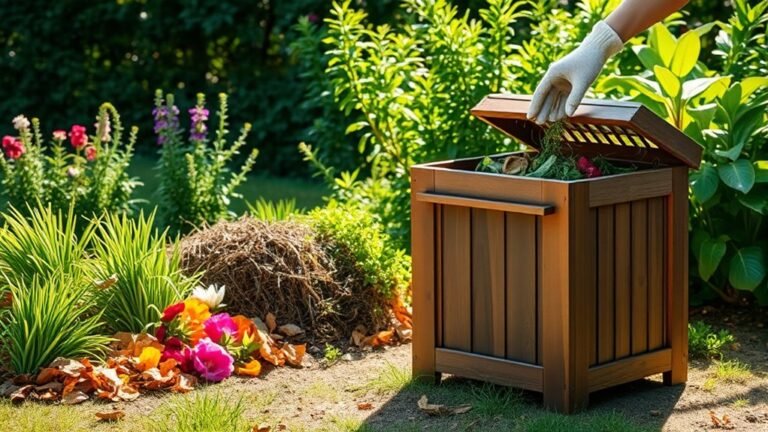
Because rats are drawn to easy food sources, securing your compost properly is essential to keeping them out of your garden. Use rodent-resistant containers with tight-fitting lids to prevent access and avoid adding table scraps, especially meats and fats, which attract rats.
Keep your compost tidy by including only garden scraps and regularly removing food waste like fallen fruit and nuts. This helps eliminate potential food sources that might lure rodents.
Make it a habit to monitor compost areas for signs of rat activity, such as droppings or burrow holes. Promptly addressing these signs helps prevent infestations.
Store Food Tightly
When you store birdseed and pet food in sturdy, sealed containers, you cut off a key food source that attracts rats to your garden. Make sure to store food tightly in rodent-resistant containers with tight-fitting lids to keep pests out.
Also, regularly clean up spilled birdseed around feeders. Even small amounts can attract rats, so it’s important to keep things tidy.
Secure trash cans with tight-fitting lids and place them away from your garden to reduce food waste exposure. Compost piles should be sealed, and avoid adding meats, fats, or dairy because these can attract rats.
Don’t forget to remove fallen fruit, nuts, and other food waste daily. Plus, eliminate any standing water to deny rats daily access to water.
Trim Vegetation to Remove Rat Shelter
Although dense vegetation can beautify your garden, it also offers perfect shelter for rats. To reduce rat activity, trim vegetation at least 18 inches away from buildings and reduce plantings like ivy and low bushes that provide hiding spots.
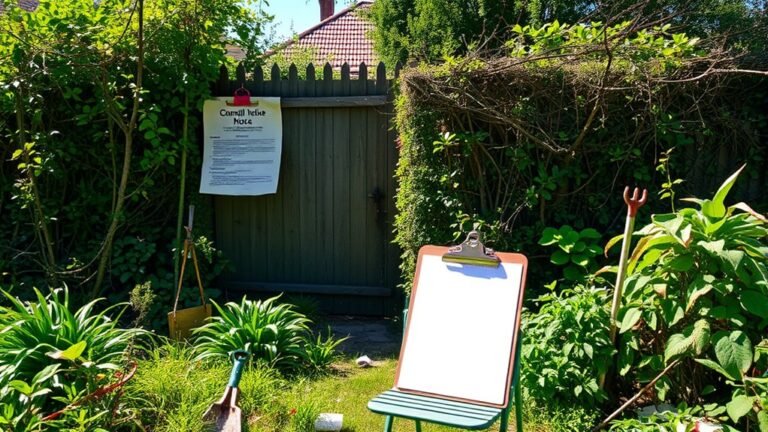
Regular tidiness maintenance is essential—cut back overgrown grass and weeds, and remove clutter such as lumber, rocks, or debris to eliminate potential rat shelters. Clean pathways regularly, and keep an eye out for greasy rub marks, which indicate rat routes.
Wiping these marks away disrupts their movement. By combining clutter removal with careful trimming and monitoring, you create effective deterrent measures.
Staying vigilant and maintaining a neat garden environment guarantees you remove shelter that rats rely on, making your garden a less inviting place for these pests.
Block Rat Hiding Spots and Entryways
To keep rats from invading your garden, you need to block their hiding spots and entryways effectively. Start by trimming vegetation at least 18 inches away from buildings. Also, keep tree branches trimmed to disrupt rat pathways and create less hospitable areas.
Next, remove clutter such as lumber, rocks, and debris to reduce nesting sites. Getting rid of these hiding spots makes it harder for rats to settle in.
Remove clutter like lumber and rocks to eliminate nesting sites and discourage rats from settling in.
Finally, install hardware cloth along walls and fences to prevent burrowing and block entry points. This adds a strong barrier that rats can’t easily get through.
- Trim vegetation and keep tree branches trimmed to eliminate shelter and access routes.
- Remove clutter regularly to minimize hiding spots.
- Use hardware cloth to secure barriers and prevent burrowing.
Also, keep an eye out for greasy rub marks on walls and fences. Wash them away to disrupt rat pathways even more. And don’t forget to secure food containers—rats love an easy meal!
Try Natural Ways to Keep Rats Away
You can keep rats away naturally by using garlic spray made from crushed cloves mixed with water. Just apply it around your garden, and you’re good to go.
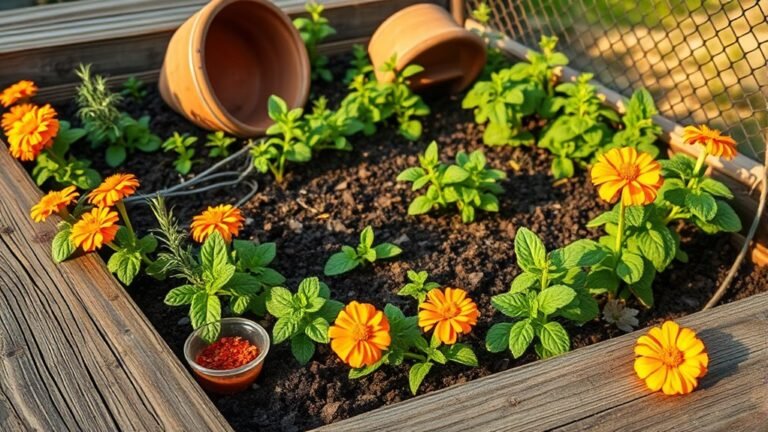
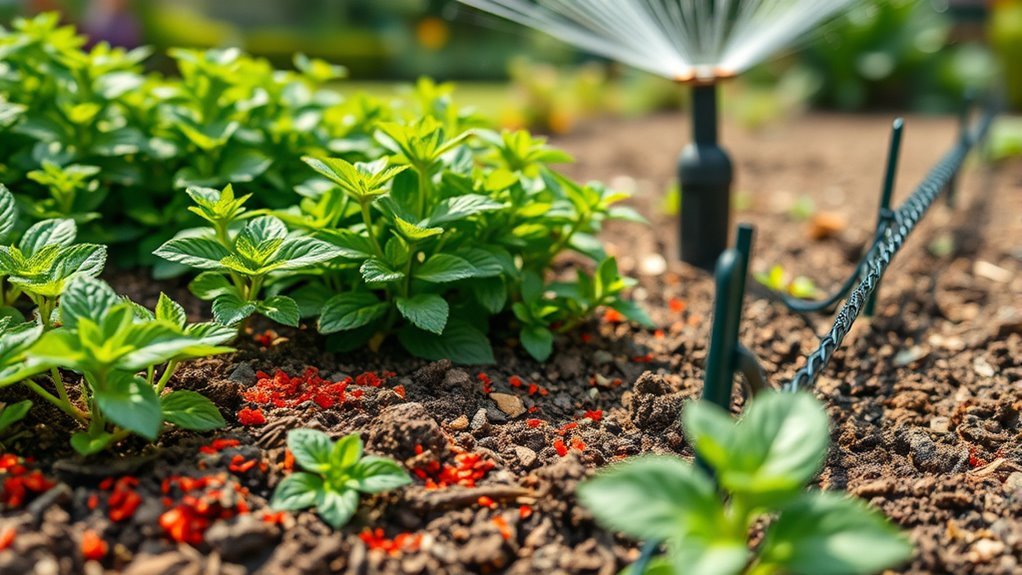
Planting strong-smelling herbs like mint or lavender also helps repel rats with their scent. These simple methods create an environment rats prefer to avoid.
Garlic Spray Preparation
When you blend four to five garlic cloves into a puree and mix it with a pint of water, you create a natural spray that keeps rats at bay. This garlic spray acts as an effective rat deterrent, thanks to the strong sulfur compounds that repel pests with their potent scent.
To prepare and use it properly, follow these steps:
- Blend garlic cloves thoroughly to release their oils.
- Pour the puree into a spray bottle and add a pint of water.
- Apply the mixture regularly around your garden, focusing on areas rats frequent, like near fruit trees.
Regular application helps maintain an uninviting environment for rodents. Garlic is an accessible and cost-effective option, making it a smart choice for gardeners wanting to repel rats naturally.
Give it a try and see how well it works for you!
Herbal Rat Repellents
Several strong-smelling herbs like mint, lavender, and catnip can naturally keep rats at bay by overwhelming their sensitive noses. Using herbal rat repellents is a smart, natural way to protect your garden.
Consider planting catnip and garlic near compost piles and entry points, as their scents discourage rodents. You can also create a garlic spray by blending garlic cloves with water and applying it around fruit trees to enhance protection.
Essential oils, especially peppermint oil, work well when applied around garden borders, forming a natural barrier that rats avoid. These strong-smelling herbs and oils not only deter rats but also add a pleasant aroma to your garden.
Choose and Place Effective Rat Traps and Track Signs
Target rat hotspots like burrow entrances and greasy trails to place your traps where they’ll catch Norway rats most effectively. Focus your trap placement near burrow holes and greasy tracks, using signs of rat activity such as droppings or gnawed plants to guide you.
Bait traps with peanut butter to lure rats in, securing it to prevent theft.
To manage your rat population effectively, use a mix of snap traps for quick kills and live traps for humane capture. Monitor your garden daily to spot new rat activity and adjust traps as needed.
Combine snap traps and live traps, checking daily to catch and adjust for new rat activity.
Make sure to remove caught rats promptly to keep your traps working well and reduce the risk of infestation.
Consistent monitoring and strategic trap placement will really help you keep your garden rat-free. Just stay on top of it, and you’ll see results.
Call a Professional When Rats Persist
If rat activity keeps showing signs like burrow holes or droppings despite your efforts, it’s time to call a professional pest control service. Licensed experts can provide effective intervention, especially during severe infestations where DIY methods fall short.
These professionals use humane practices and integrated pest management techniques to not only control current rat problems but also prevent future ones. By regularly monitoring your garden, they adjust control measures to keep rat populations in check throughout peak activity seasons.
Choosing a licensed, experienced pest control service guarantees safe treatment that won’t harm other wildlife. When signs of rats persist, don’t hesitate—professional help is key to protecting your garden and maintaining a rat-free environment efficiently and responsibly.
Frequently Asked Questions
How Do I Get Rid of Rats in My Garden Fast?
You can get rid of rats fast by setting peanut butter baited traps near their hotspots, removing food sources, and spraying garlic solution around your garden. Check traps daily and clear hiding spots to disrupt their shelter.
What Is a Rat’s Biggest Enemy?
Imagine your garden thriving because a fox patrols it regularly—rats fear foxes the most. They’re a rat’s biggest enemy, hunting skillfully and keeping rodent numbers low, so you’ll want to encourage their presence naturally.
What Smells Do Rats Hate the Most in the Garden?
You’ll find rats hate strong smells like mint, lavender, garlic, raw onions, peppermint oil, and balsam fir oil. Use these scents around your garden to keep rats away naturally and protect your plants effectively.
Do Dryer Sheets Repel Rats?
Imagine your garden still overrun despite dryer sheets scattered around. They don’t reliably repel rats. You’ll want to try stronger scents like peppermint oil and focus on removing food sources to keep those pests away effectively.
Conclusion
If you don’t act now, rats could throw a wild party in your garden, turning it into their personal playground! But don’t worry—you’ve got the power to stop them.
By cutting off food, water, and cozy hideouts, you’ll make your garden the least attractive spot on the block. Use natural repellents and traps like a pro, or call in the experts if needed.
Taking these steps will keep your garden rat-free, ensuring it stays a peaceful and beautiful space. Remember, preventing rats means protecting your plants, soil, and overall garden health. Stay proactive, and your garden will thank you with lush growth and no unwanted critters!