How to Dispose of Garden Waste Properly
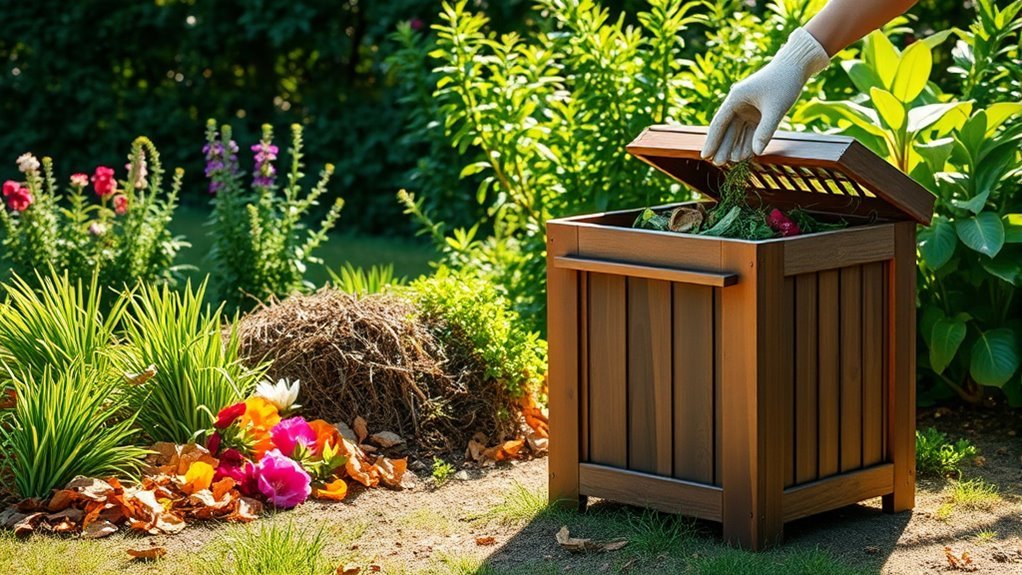
To dispose of garden waste properly, it is important to manage garden waste responsibly and sustainably. You should first sort the waste by separating green waste like leaves from woody branches and removing any non-organic items. Avoid burning waste, as it harms air quality and contributes to pollution.
Instead, use local recycling centers or community programs for disposal. Composting at home is another excellent option—mix green and brown materials and turn the compost regularly to speed up decomposition. Proper preparation and disposal protect your environment and community health.
Keep exploring to discover smart tips and local options for responsible garden waste management. By following these practices, you help maintain a cleaner, healthier neighborhood and support environmental sustainability.
Why Proper Garden Waste Disposal Matters
Although garden waste might seem harmless, disposing of it improperly can cause serious environmental and health problems. When you toss green waste into regular trash or burn it, you risk releasing pollutants and harmful smoke. This can degrade air quality and harm your neighborhood’s health.
Additionally, garden waste dumped in the wrong places can clog drains, leading to flooding and water contamination.
You also contribute to greenhouse gas emissions if organic waste ends up in landfills, where it decomposes anaerobically and produces methane, a potent climate changer.
How to Sort and Prepare Garden Waste for Disposal
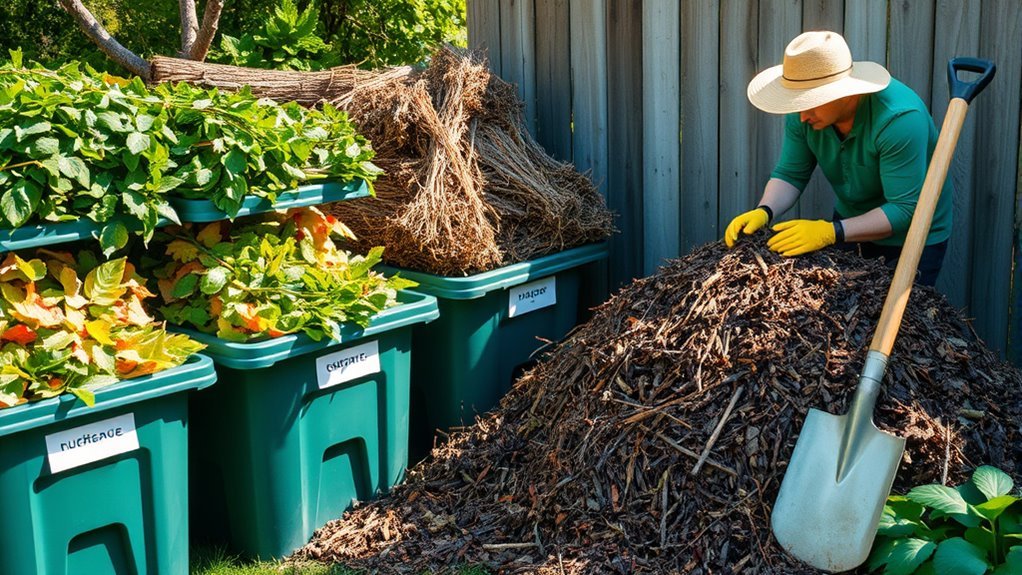
Before you dispose of garden waste, you need to sort and prepare it properly to guarantee effective recycling or composting. Start by separating green waste like grass clippings, leaves, and soft plants from woody materials such as branches and twigs.
Remove any non-organic items like plastic, stones, or metal, as these can contaminate the compost or recycling process.
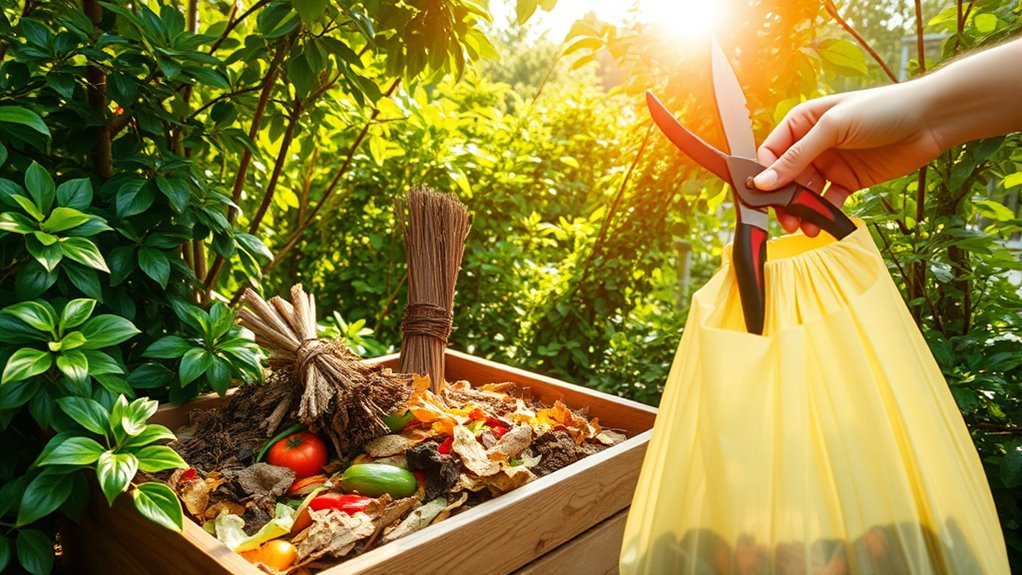
Cut larger branches into smaller pieces to speed up decomposition and make handling easier. Also, avoid mixing diseased plants or invasive species with healthy waste to prevent spreading problems.
Finally, dry out wet waste if possible, since excess moisture can cause odor and slow down composting.
Taking these steps helps assure your garden waste is ready for safe, efficient disposal.
Eco-Friendly Ways to Dispose of Garden Waste
When you want to minimize your environmental impact, choosing eco-friendly methods to dispose of garden waste makes a big difference. Start by using local green waste recycling centers that turn your yard trimmings into mulch or biofuel. You can also participate in community garden waste collection programs, which guarantee proper processing and reuse.
Another great option is to use garden waste as natural mulch around your plants, which helps retain moisture and reduce weeds. Avoid burning garden waste, as it releases harmful pollutants.
Instead, consider donating large branches or wood to local wildlife shelters or craft groups.
Composting Garden Waste at Home: A Simple Guide
If you want to reduce waste and enrich your garden soil, composting garden waste at home is an easy and effective solution. Start by choosing a dry, shady spot for your compost bin or pile.
Add a mix of green materials like grass clippings and vegetable scraps, and brown materials such as dried leaves and small branches.
Turn the pile regularly to aerate it, which speeds up decomposition and prevents odors. Keep the compost moist, but not soggy, similar to a damp sponge.
Avoid adding diseased plants or weeds with seeds to prevent problems.
Within a few months, you’ll have rich, dark compost that improves soil structure and feeds your plants naturally. Composting saves money and supports a healthy garden ecosystem.
Where to Drop Off Garden Waste in Your Area
Although composting at home is ideal, you might have excess garden waste that needs proper disposal. Luckily, many communities offer designated drop-off points where you can take your garden debris safely and responsibly.
Check your local council’s website or contact waste services to find the nearest facility. Common drop-off options include:
- Municipal green waste centers: These sites are specifically designed for garden refuse and often offer compost or mulch in return.
- Recycling depots: Some recycling centers accept garden waste separately from regular trash.
- Community garden programs: Certain neighborhoods have collection points or organized drop-off events.
Using these options helps keep your neighborhood clean and supports environmental efforts by diverting waste from landfills.
Common Garden Waste Disposal Mistakes to Avoid
When you burn garden waste, you risk releasing harmful pollutants and causing fires.
Don’t overload your green bin, or it mightn’t get collected properly.
Also, avoid mixing non-compostable items with your garden waste to keep the recycling process efficient.
Burning Waste Hazards
Why do so many gardeners still choose to burn their waste despite the dangers? It might seem like a quick fix, but burning garden waste poses serious hazards. You risk uncontrolled fires that can spread rapidly, especially in dry conditions.
Smoke from burning releases harmful pollutants that affect your health and your neighbors’. Plus, it often violates local laws, leading to fines.
Avoid these common pitfalls when burning garden waste:
- Ignoring weather conditions, which increases fire risk
- Burning treated or non-organic materials that release toxic fumes
- Leaving fires unattended, causing them to spread unexpectedly
Instead, consider safer alternatives like composting or using green waste collection services. Protect your garden and community by ditching the burn.
Overloading Green Bins
Instead of burning your garden waste, placing it in green bins is a safer choice—but be careful not to overload them. When you stuff the bin beyond its capacity, the lid won’t close properly, which can lead to spillage, attracting pests and creating litter.
Overloading also makes it difficult for waste collectors to empty the bin efficiently, possibly resulting in missed pickups. To avoid these issues, only fill the bin to the designated fill line.
If you have more waste than the bin can hold, consider scheduling an extra garden waste collection or visiting a local recycling center.
Keeping your green bin manageable guarantees your garden waste gets disposed of responsibly without causing unnecessary problems.
Mixing Non-Compostables
Although garden waste bins are meant for organic materials, mixing in non-compostable items can cause serious problems. When you toss in things like plastic, glass, or metal, you risk contaminating the entire batch, making it harder or even impossible to compost properly.
This contamination can lead to rejected loads at recycling centers and increased disposal costs. To avoid this, you should keep these items out of your garden waste bin:
- Plastic bags and containers
- Garden tools or metal stakes
- Glass bottles or jars
Frequently Asked Questions
Can I Burn Garden Waste Safely in My Backyard?
You can burn garden waste safely if local laws allow it and you take precautions like keeping a water source nearby, avoiding windy days, and never leaving the fire unattended.
Always check regulations before starting a burn.
Are There Any Legal Restrictions on Transporting Garden Waste?
You can’t just toss garden waste in your trunk and hit the road without checking local laws—they’re often strict about transporting waste to prevent pests or illegal dumping.
Always secure it and carry proper permits if needed.
How Do I Dispose of Diseased Plant Material?
You should bag diseased plant material securely and avoid composting it to prevent spreading pathogens. Dispose of it through your local green waste service or burn it if allowed.
Clean tools thoroughly afterward to stop contamination.
What Tools Are Best for Shredding Garden Waste?
Imagine crisp leaves crunching under blades—electric or gas-powered shredders handle branches and foliage swiftly, while handheld pruners and loppers tackle smaller stems.
You’ll find these tools make shredding garden waste effortless and satisfying.
Can Garden Waste Attract Pests if Stored Improperly?
Yes, garden waste can attract pests if you store it improperly. You’ll want to keep it dry, covered, and away from your home to avoid rodents, insects, and other critters turning it into their new hangout spot.
Conclusion
By handling your garden waste properly, you’re not just tidying up—you’re nurturing the earth like a gardener tending to a fragile bloom. Sorting, composting, and using eco-friendly disposal methods help keep your garden and community clean and green.
Avoid common mistakes, and take advantage of local drop-off points to make a real difference.
Remember, every small effort you make grows into a healthier planet. Proper garden waste disposal is key to sustainable living and environmental protection for everyone to enjoy.