How to Stop Foxes Coming in Your Garden Step by Step
To stop foxes coming into your garden, start by removing all food sources—don’t leave pet food, birdseed, or rotting fruit outside. Securing your garden is essential to keep foxes away effectively. Secure compost bins and rubbish in fox-proof containers to eliminate easy meals.
Check your fences for holes and reinforce weak spots with buried wire mesh. Guarantee gates close tightly to prevent foxes from slipping in. Using motion-activated lights or natural repellents like garlic can deter them without causing harm.
If foxes still persist, there are more effective steps you can take to keep your garden fox-free. Taking these measures will help ensure your garden remains a safe and fox-free space.
Why Foxes Visit Gardens
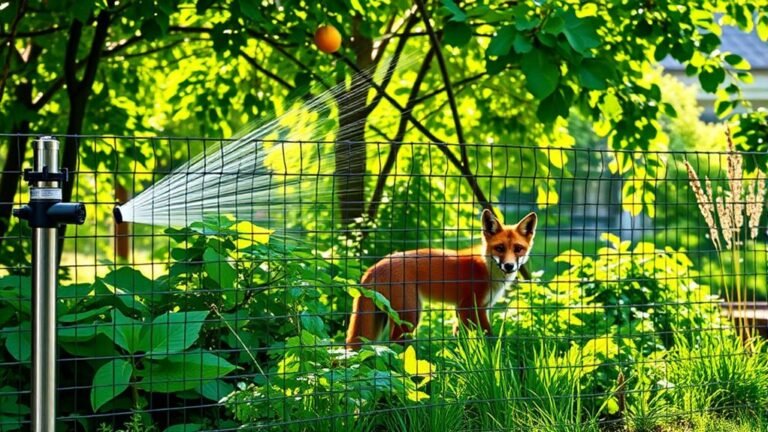
Why do foxes come into your garden? They’re often searching for shelter, food, or a safe place to explore. Gardens provide a quiet, green space where foxes can hide from predators and humans.
Your garden might have dense bushes, sheds, or compost heaps that offer ideal denning spots. Foxes also visit at night when it’s calm and less crowded. They’re curious creatures, so they may be investigating new scents or sounds in your yard.
Additionally, your garden might be part of their natural territory, so they pass through regularly. Understanding why foxes are drawn to your garden helps you address their presence thoughtfully without causing harm or unnecessary disturbance to these wild animals.
Managing Food to Deter Foxes
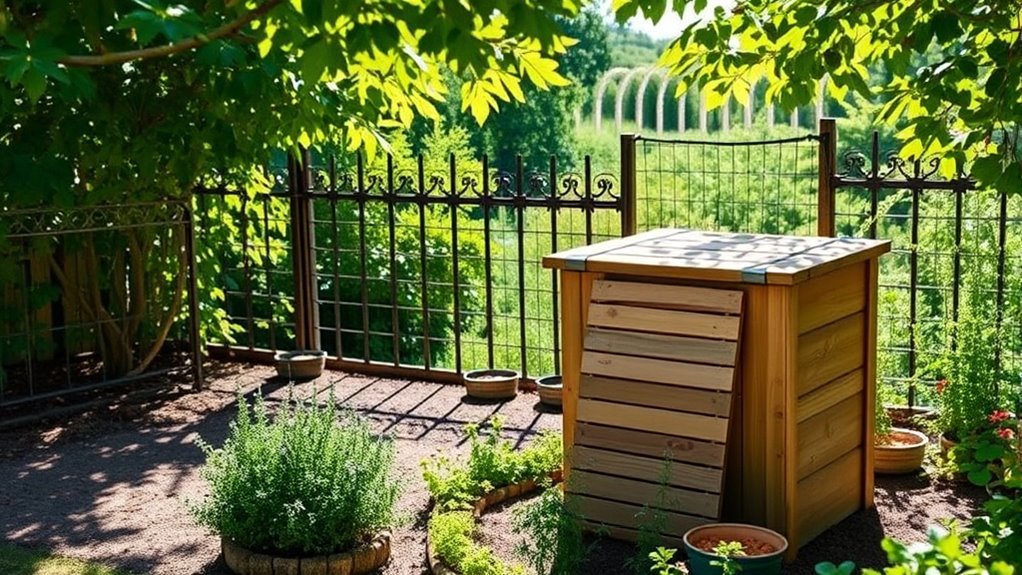
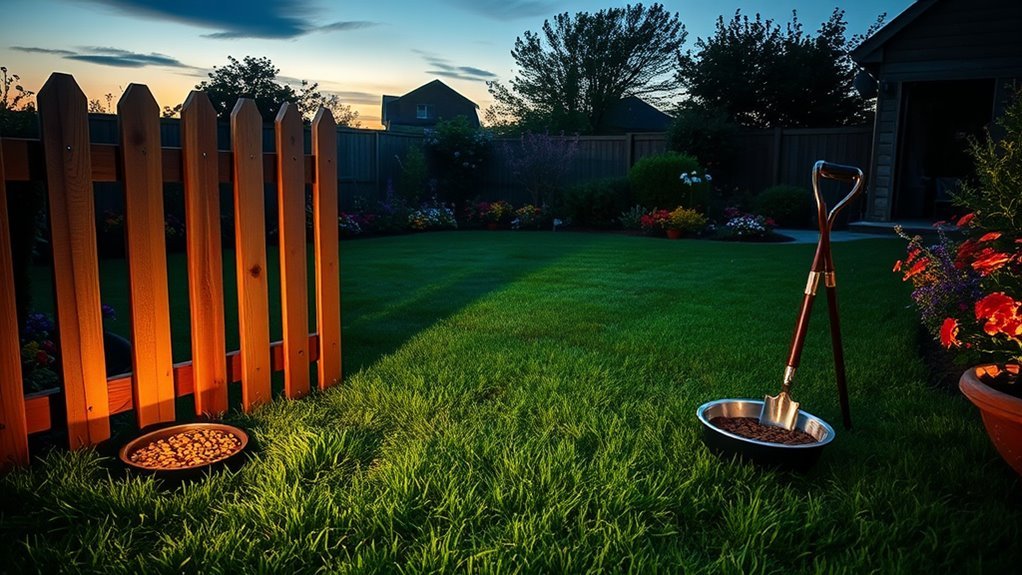
Since foxes are often drawn to gardens by the promise of food, managing what you leave outside plays a crucial role in deterring them. Avoid leaving pet food or birdseed out overnight, as these are irresistible to foxes. Secure your compost bin with a tight lid to prevent foxes from scavenging leftovers.
If you feed birds, use feeders designed to minimize spillage, and clean up fallen seeds regularly. Remove fallen fruit from trees promptly, as rotting fruit attracts foxes and other wildlife.
Also, avoid leaving rubbish bags accessible; store them in fox-proof containers until collection day.
Securing Your Garden’s Boundaries
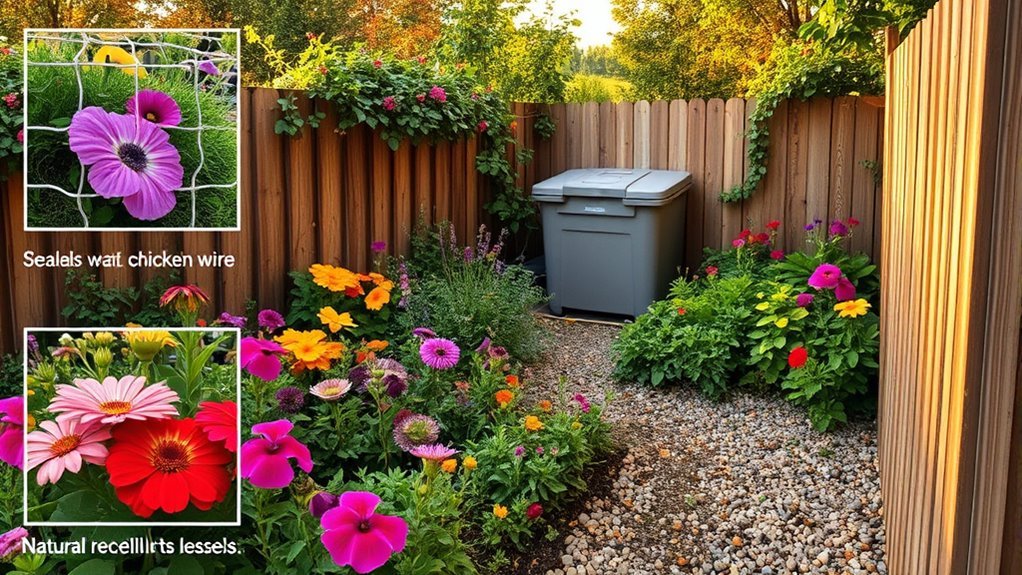
How can you make your garden less inviting to foxes? Start by securing your garden’s boundaries to block their entry points. Inspect your fences for gaps or weak spots—foxes can squeeze through surprisingly small openings.
Repair holes and reinforce fences with wire mesh buried at least 12 inches underground to prevent digging. Use tall, solid fencing at least six feet high to discourage climbing. Check gates and make sure they close tightly without gaps underneath.
Consider adding angled fencing or rollers on top to deter foxes from jumping over. Don’t forget to trim back overhanging branches or shrubs that foxes might use to access your garden.
Non-Harmful Fox Deterrents for Your Garden
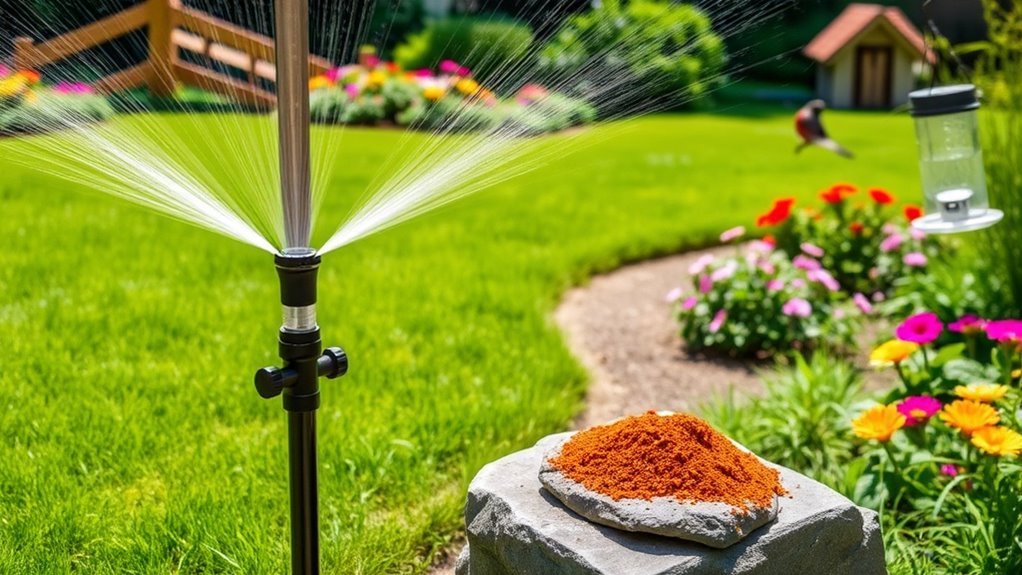
Although securing your garden helps keep foxes out, you can also use non-harmful deterrents to discourage them from sticking around. These methods rely on foxes’ natural instincts to avoid certain smells, sights, and sounds without causing harm.
You can easily implement these tactics to make your garden less appealing.
| Deterrent Type | How It Works |
|---|---|
| Motion-Activated Lights | Startle foxes at night |
| Natural Repellents | Use scents like garlic or vinegar |
| Ultrasonic Devices | Emit sounds unpleasant to foxes |
| Reflective Objects | Confuse and scare foxes |
| Secure Compost Bins | Remove food sources |
Try combining these for better results and keep your garden fox-free safely.
What to Do When Foxes Keep Coming Back
If foxes keep returning despite your efforts, it’s time to reassess your approach and take stronger measures. First, double-check your garden for any food sources like pet food, fallen fruit, or accessible bins and remove them immediately. Secure compost heaps and chicken coops with sturdy fencing.
Next, consider installing motion-activated lights or sprinklers to startle foxes when they enter. You can also use commercial fox repellents, but rotate them regularly so foxes don’t get used to the scent.
Repair any gaps or holes in fences to block entry points.
Finally, maintain a tidy garden by trimming dense bushes or hiding spots foxes use for shelter. If problems persist, contact local wildlife control for advice tailored to your area.
Frequently Asked Questions
Can Foxes Carry Diseases Harmful to Humans or Pets?
Yes, foxes can carry diseases harmful to you and your pets, like rabies and mange. You should avoid direct contact and keep your garden secure to minimize risks and protect your family and animals.
Are Foxes Protected by Law in My Area?
You’d think foxes are the rulers of the wild, but yes, they’re often protected by law in many areas.
You should check local wildlife regulations, so you don’t accidentally break rules while managing your garden.
What Time of Day Are Foxes Most Active?
Foxes are most active during dawn and dusk, so you’ll often see them early in the morning or late in the evening. They’re crepuscular animals, meaning they avoid the midday heat and nighttime extremes.
Can I Feed Foxes Safely Without Encouraging Them to Stay?
Sure, you can feed foxes safely—but if you want them to RSVP every night, go ahead!
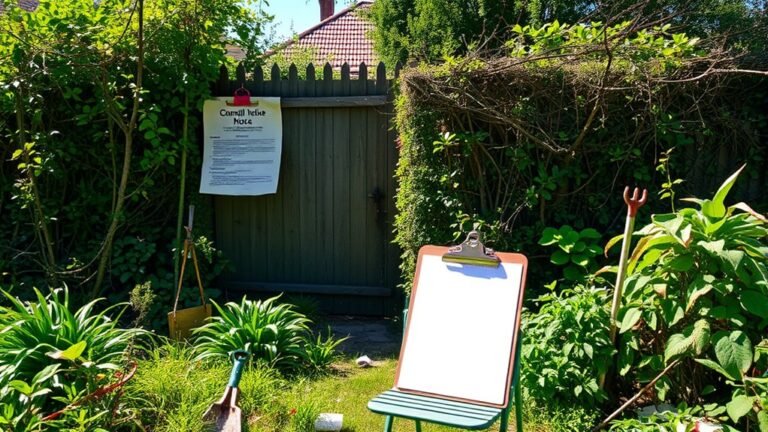
To avoid permanent guests, give occasional treats without creating a full buffet. Don’t expect foxes to read your eviction notice.
Do Foxes Pose a Threat to Small Pets or Livestock?
Yes, foxes can pose a threat to small pets or livestock, especially young or unattended animals.
You should supervise pets outdoors and secure livestock housing to prevent foxes from attacking or causing harm.
Conclusion
You might think foxes only visit because you’ve got food out, but sometimes they come just because your garden feels safe and inviting. Coincidentally, managing food, securing boundaries, and using gentle deterrents all work together to make your space less appealing.
So, if foxes keep coming back, remember—it’s not just one thing but the combination that helps you keep them away. Taking all these steps guarantees your garden stays peaceful and fox-free.
By following these steps to stop foxes coming in your garden, you create an environment they want to avoid. Managing food sources, securing fences, and using deterrents are key to ensuring your garden remains safe and fox-free.