10 Effective Tips to Keep Pigeons Out of Your Garden
To keep pigeons out of your garden, start by removing all food sources and keeping your space clean to discourage these feathered visitors. Pigeons are attracted to easy meals, so don’t leave crumbs or pet food outside. Keeping your garden tidy goes a long way in making it less inviting.
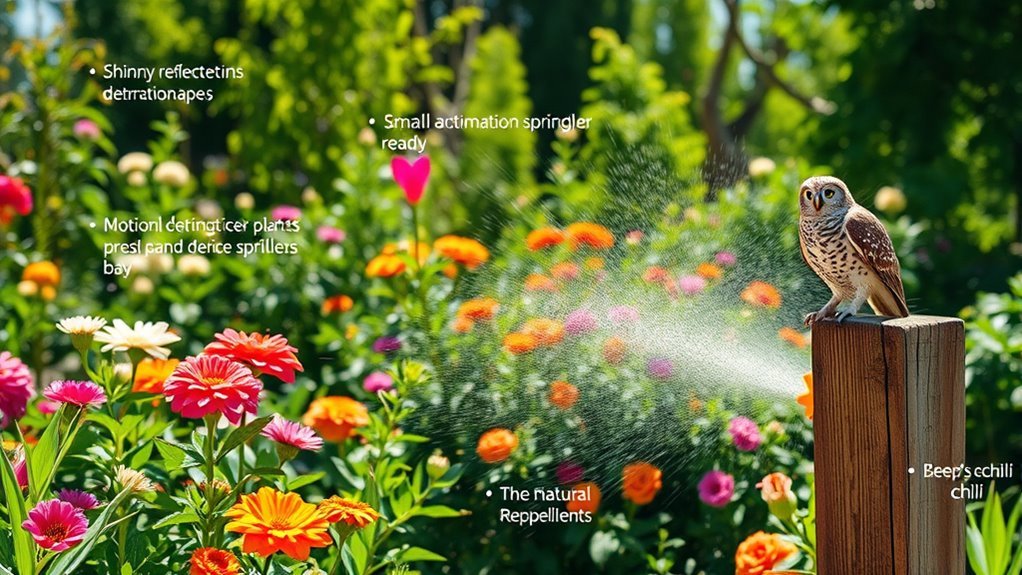
Next, use reflective objects and predator decoys to scare pigeons away. Shiny things like old CDs or reflective tape can confuse and deter them. Predator decoys, such as fake owls or hawks, work by making pigeons feel unsafe.
You can also install bird spikes on common perching spots to physically prevent them from landing. At the same time, try attracting smaller birds with proper nesting boxes; they can help keep pigeons at bay by competing for space.
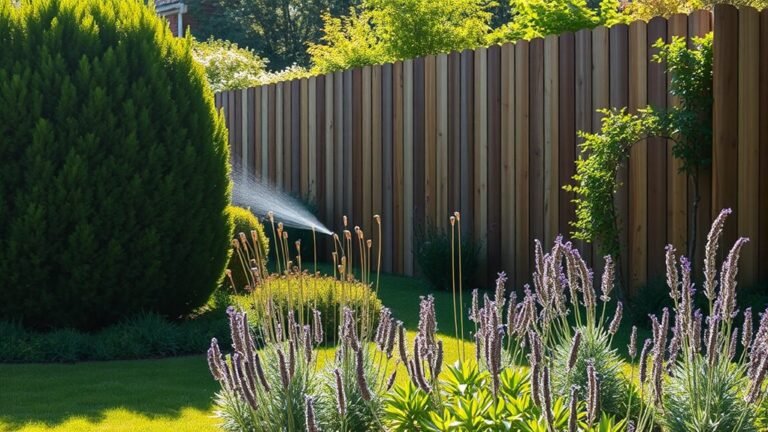
Motion-activated sprinklers or noise devices are great for startling unwanted visitors when they try to settle in your garden. These sudden surprises usually make pigeons think twice about coming back.
Combining these tactics works best because pigeons can be pretty persistent. If problems persist, professional help can offer lasting solutions.
You can explore even more effective strategies to protect your garden and enjoy a peaceful, pigeon-free space.
Key Takeaways
- Remove food sources by securing trash, cleaning fallen fruit, and storing birdseed in sealed containers to discourage pigeons. This way, they won’t have easy access to a free meal.
- Use deterrents like hanging reflective objects and placing decoy predators to create a dynamic, pigeon-unfriendly environment. Pigeons get wary when things keep moving or shining around them.
- Install durable bird spikes and UV-resistant netting on perching spots to physically prevent pigeons from landing and nesting. These barriers make your garden less inviting for them.
- Attract small birds with suitable nesting boxes and deploy motion-activated devices like sprinklers and ultrasonic repellents to startle pigeons. It’s a smart way to protect your garden while encouraging other wildlife.
- Combine multiple deterrents, rotate natural repellents, and seek professional pest control for persistent pigeon problems. Sometimes, a mix of strategies works best to keep those pigeons away for good.
Why Pigeons Are Harmful to Your Garden
Pigeons can cause several problems in your garden, from damaging plants by pecking at leaves to creating messy droppings that carry diseases. A pigeon infestation leads to torn leaves, stunted plant growth, and reduced yields.
Their droppings aren’t just unsightly—they carry parasites and diseases that threaten both your plants and health. Plus, a single pigeon can produce about 25 pounds of droppings yearly, contaminating soil and creating unhygienic conditions.
Pigeons also outcompete smaller birds, harming your garden’s biodiversity. Their nesting habits clog gutters and drainage, risking water damage.
To protect your garden, focus on keeping pigeons away early. Learning how to prevent pigeons from settling is essential for maintaining a healthy, thriving garden environment.
Remove Food Sources From Your Garden to Discourage Pigeons
You can keep pigeons away by securing your outdoor trash with tight lids and regularly cleaning up fallen fruit in your garden.
Also, make sure to keep bird feeders clean and use designs that limit access to seeds for pigeons. Taking these steps reduces easy food sources and makes your garden less inviting to them.
Secure Outdoor Trash
One of the easiest ways to keep your garden free from unwanted bird visitors is by securing outdoor trash bins. When you use bird-proof lids and guarantee trash cans have locking mechanisms, you effectively remove pigeons’ access to food scraps.
This simple step plays a big role in keeping pigeons away. Don’t leave bags of trash outside for long, and always dispose of food waste properly to avoid attracting them.
Make sure compost bins are tightly sealed, too, since decomposing matter can lure pigeons in. By focusing on secure outdoor trash, you cut off a major food source, helping remove pigeons more effectively.
Keeping pigeons out starts with removing easy meals—secure your trash to protect your garden.
Remove Fallen Fruit
Regularly clearing fallen fruit from your garden removes a tempting food source that attracts pigeons and other pests. To keep pigeons away, you need to remove fallen fruit promptly, especially during fruit-bearing seasons.
Pigeons are opportunistic feeders, and even small amounts of dropped fruit can encourage them to visit your garden frequently, worsening your pigeon problem. Establish a routine cleanup schedule to inspect your garden and dispose of any fruit scraps securely, such as in compost bins.
Keeping your garden free of fallen fruit not only discourages pigeons but also supports a healthier environment for your plants and reduces the risk of attracting other unwanted wildlife. By staying vigilant and removing fallen fruit, you’ll greatly minimize pigeon visits and protect your garden’s well-being.
Clean Up Feeders
Clearing fallen fruit is a great start, but keeping your garden free of other food sources is just as important to discourage pigeons.
As a property owner, you need to clean up feeders regularly to prevent seed spillage, which attracts pigeons and causes overcrowding.
Store pet food and birdseed in sealed containers to keep pigeons away from easy meals.
Avoid ground feeding because it encourages pigeons to forage in your garden instead of smaller birds.
Consider using feeders with narrow holes or weight-sensitive mechanisms that only allow smaller birds access.
Keep Your Garden Clean and Vegetation Trimmed
You’ll want to keep your garden clean by regularly removing fallen fruit, seeds, and other debris that pigeons feed on. Make sure outdoor bins are securely closed to block access to food scraps.
Also, trim overgrown vegetation to eliminate hiding spots and nesting areas. This makes your garden less appealing to pigeons.
Remove Food Sources
Three simple steps can help keep pigeons away by removing their food sources and limiting shelter options. To effectively discourage pigeons, start by cleaning up fallen fruit, seeds, and plant debris regularly. This helps remove food sources that attract them.
Next, avoid leaving pet food outside, as it can invite pigeons and other wildlife into your garden. Finally, trim overgrown vegetation and remove dense shrubs where pigeons might nest or hide.
Here’s what you should do:
- Clean up fallen fruit and plant debris frequently to remove food sources.
- Avoid leaving pet food outdoors to discourage pigeons from visiting.
- Trim dense shrubs and overgrowth to eliminate shelter spots.
Secure Outdoor Bins
One easy way to keep pigeons out of your garden is by securing your outdoor bins. Make sure your bins have tight-fitting lids to prevent pigeons from scavenging for food scraps that attract them.
Regularly clean and disinfect your bins to eliminate odors that could lure pigeons and other wildlife. Position bins away from garden areas, and consider covering them with a tarp or netting to keep pigeons away even more effectively.
Also, keep the area around your bins free of debris and spills. Even small food remnants can draw pigeons in.
Trim Overgrown Vegetation
Keeping your garden tidy by regularly trimming overgrown vegetation can greatly reduce hiding spots for pigeons. This makes your space less inviting for nesting and roosting.
When you trim overgrown vegetation, you create a natural deterrent that discourages pigeons from settling. Plus, a well-maintained garden improves visibility, so you can spot and address pigeon activity quickly.
Remember to comply with the Wildlife and Countryside Act when pruning to protect wildlife.
Here are three key benefits of trimming vegetation:
- Limits access to food sources like seeds and fallen fruit that attract pigeons.
- Reduces debris buildup, keeping your garden cleaner and less appealing to pests.
- Encourages healthier plant growth, supporting diverse bird species while deterring pigeons.
Trim regularly for an effective, lawful pigeon deterrent.
Use Reflective Objects and Decoy Predators to Scare Pigeons Away
Although pigeons can quickly get used to stationary deterrents, using reflective objects and decoy predators can effectively scare them away from your garden. Hang reflective objects like old CDs or aluminum foil strips to create light reflections that unsettle pigeons.
Place decoy predators, such as plastic owls or hawks, in visible spots to simulate danger and deter pigeons from landing. The combination of moving reflections and predator shapes makes your garden appear threatening, reducing pigeon visits.
To keep this method effective, regularly change the location of these items so pigeons don’t adapt. By using both reflective objects and decoy predators together, you create a dynamic environment that deters pigeons more successfully than either approach alone.
Regularly move reflective objects and decoys to maintain an effective, ever-changing deterrent against pigeons.
This strategy helps keep your garden pigeon-free without harming the birds. It’s a simple, harmless way to protect your space without causing any trouble for the pigeons.
Install Bird Spikes on Common Pigeon Perching Spots
You’ll want to choose bird spikes made from durable materials like stainless steel or plastic for lasting protection.
Make sure to install them securely on ledges, roofs, and other spots where pigeons like to perch. Proper placement and firm attachment are key to keeping your garden pigeon-free.
Choosing Effective Spike Types
When installing bird spikes, selecting the right material and size is essential to keep pigeons at bay effectively. For successful pigeon proofing, focus on these key factors:
- Material: Choose stainless steel or durable plastic spikes to resist rust and withstand weather. This guarantees long-term effectiveness.
- Spike Length: Opt for spikes between 10-12 inches long. This length prevents pigeons from comfortably landing on ledges or flat surfaces.
- Installation Techniques: While proper methods will be detailed later, make sure you cover the entire perching area. This helps eliminate gaps where pigeons might settle.
Proper Installation Techniques
Start by installing bird spikes on the most common pigeon perching spots like ledges, balconies, and window sills. These flat surfaces attract pigeons, so targeting them is key for effective pigeon control.
Space the bird spikes about 3 to 4 inches apart to close any gaps where pigeons might land. Choose durable materials like stainless steel or UV-resistant plastic to guarantee your spikes withstand weather and last longer.
Secure the spikes firmly using strong adhesive or screws, so pigeons can’t dislodge them. Don’t forget to regularly inspect and clean the spikes to keep them free from debris, maintaining their effectiveness.
Proper installation of bird spikes on flat surfaces is a reliable way to deter pigeons and protect your garden. It’s pretty straightforward, and once done right, you’ll notice fewer feathered visitors hanging around.
Use Bird Netting to Keep Pigeons Out of Your Garden
Install bird netting to create a reliable barrier that keeps pigeons out of your garden without blocking sunlight or rain. Bird netting lets your plants thrive while keeping pigeons away in a humane way.
To get the best results, follow these tips:
- Choose lightweight, UV-resistant bird netting that withstands weather and won’t harm pigeons without hurting other wildlife.
- Securely fasten the netting to eliminate gaps where pigeons could sneak in.
- Regularly inspect and repair any tears to maintain its effectiveness.
Choose Nesting Boxes to Attract Small Birds, Not Pigeons
Although pigeons often seek large, open spaces to nest, you can encourage smaller birds by choosing nesting boxes with restricted entrances and positioning them strategically. Opt for smaller nesting boxes made from rough-textured wood, which naturally keep pigeons away since they prefer larger, smooth-surfaced sites.
Place these boxes at least 10 feet off the ground and situate them in dense foliage or away from flat surfaces to make them less accessible to pigeons while appealing to smaller birds. Regularly check and clean your nesting boxes to prevent debris buildup that might attract pigeons.
Employ Motion-Activated Sprinklers or Noise Devices to Startle Pigeons
When you want to keep pigeons away without causing them harm, motion-activated sprinklers and noise devices offer an effective solution. These tools startle pigeons, making your garden less inviting.
Here’s how to use them effectively:
- Position motion-activated sprinklers where pigeons frequent. The sudden burst of water surprises and deters them without causing any damage.
- Install noise devices like ultrasonic repellers or wind chimes. These create sounds that make pigeons uncomfortable and discourage them from nesting.
- Make sure to regularly change the placement of these devices. This prevents pigeons from getting used to them and keeps them working well.
Combine Multiple Deterrents for Better Pigeon Control
Since pigeons quickly adapt to single deterrents, combining multiple methods gives you a stronger defense in your garden. Use reflective surfaces like old CDs alongside physical deterrents such as bird spikes to create layered protection that keeps pigeons away effectively.
Adding sound deterrents, like recorded predator calls, amps up the sense of danger, making pigeons less likely to come back. Pair motion-activated sprinklers with bird netting to startle pigeons while keeping your plants safe from damage.
Try rotating natural repellents such as vinegar or chili powder regularly so pigeons don’t get used to any one method. And for even better results, team up with your neighbors to create a community-wide approach. This way, the whole area becomes less attractive to pigeons.
Combining deterrents is really the key to keeping your garden pigeon-free.
Call Professionals for Persistent Pigeon Problems
Don’t hesitate to call professionals if pigeons keep invading your garden despite your best efforts. Professional pest control services bring specialized knowledge and tools to handle stubborn pigeon issues effectively while guaranteeing humane treatment.
Licensed technicians follow local regulations, so you can trust their methods.
Here’s why you should consider expert help:
- They conduct thorough assessments to identify problem areas and customize solutions.
- Their experience allows quick, efficient handling of severe infestations that DIY methods might miss.
- Regular maintenance and monitoring prevent re-infestation, providing long-term relief.
Using professional pest control not only saves you time but also ensures your garden stays pigeon-free with ethical practices.
Don’t let pigeons take over—get expert help when needed!
Frequently Asked Questions
How to Get Rid of Pigeons Permanently in the Garden?
You can get rid of pigeons permanently by removing food sources, installing bird spikes or netting, using motion-activated sprinklers, securing bins, and trying pigeon-proof feeders to discourage them while attracting smaller birds instead.
What Is the Most Effective Way to Keep Pigeons Away?
The most effective way to keep pigeons away is to combine physical barriers like bird spikes with motion-activated sprinklers. You’ll also want to remove food sources and use reflective deterrents to make your garden uninviting.
What Smell Does a Pigeon Hate?
Pigeons hate the smell of vinegar, cinnamon, chili powder, peppermint, eucalyptus, and garlic. You can use these strong scents to repel them effectively. They create an unpleasant environment that discourages pigeons from staying around.
Do Wind Chimes Deter Pigeons?
Like the unexpected clang in a silent forest, wind chimes can startle pigeons and keep them away. You’ll find metallic ones work best, especially when combined with other deterrents, to protect your garden effectively.
Conclusion
Imagine your garden as a peaceful sanctuary, vibrant and free from the fluttering chaos of pigeons. By removing food sources, keeping plants trimmed, and using reflective objects or motion-activated sprinklers, you create an environment pigeons avoid.
Installing bird spikes and attracting smaller birds helps keep your space balanced. Combining these tips turns your garden into a serene haven, where every leaf and petal thrives, untouched by unwelcome visitors.
If needed, don’t hesitate to call in the pros. These effective tips to keep pigeons out of your garden can transform your outdoor space into a tranquil retreat. With a little effort and the right approach, you’ll enjoy a pigeon-free garden that feels just right.