How Will Rats Leave Your Garden After Stopping Bird Feeding?
When you stop feeding birds, rats leave your garden because they lose an easy food source. Without bird food, they start exploring nearby areas like trash bins, compost, or neighbors’ yards to find new meals. This shift makes them more cautious and active at night while searching for shelter.
If you remove all accessible food and seal entry points, rats will gradually leave your garden. However, if they stick around, you might want to contemplate additional steps to encourage them to go. There’s more to learn about effective strategies to keep your garden rat-free.
What Happens to Rats When You Stop Feeding Birds
When you stop feeding birds, rats quickly lose their easy food source and start looking elsewhere. You’ll notice that the steady supply of birdseed and scraps that once attracted them will vanish, forcing rats to reassess their options.
Without this reliable food, their numbers in your garden can decline since they won’t find the same abundance.
You might also see less rat activity near bird feeders or feeding spots, as they no longer have a reason to linger. This shift can reduce the chances of infestations or damage caused by their presence.
How Rats Change Behavior Without Bird Food
When you stop feeding birds, rats don’t just disappear—they change how they search for food.
You’ll notice they start exploring new areas more aggressively and spend more time hiding in shelters.
Understanding these shifts helps you manage their presence in your garden effectively.
Foraging Patterns Shift
Although rats often rely on the easy meals bird feeders provide, stopping your bird feeding forces them to adapt quickly. You’ll notice their foraging patterns shift as they begin exploring new food sources beyond your garden.
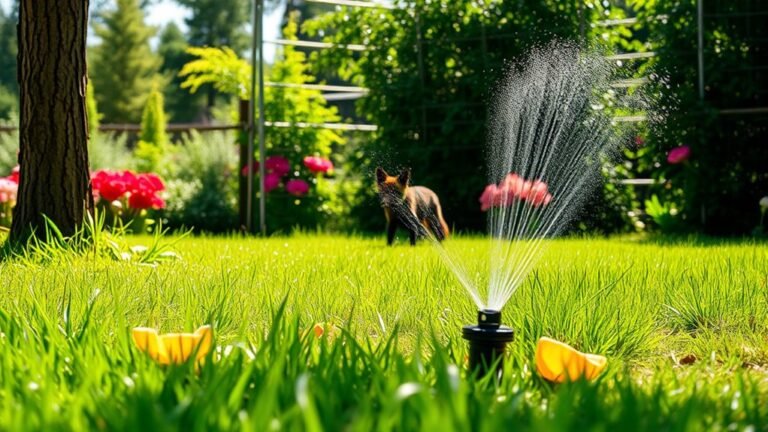
Instead of frequenting the usual spots, rats start venturing into surrounding areas, scavenging through trash bins, compost piles, and even your neighbors’ yards. They become more nocturnal and cautious, moving stealthily to avoid detection.
This change in behavior means they spend more time searching for food, increasing their range and altering their daily routines.
Shelter Seeking Increase
As rats expand their search for food beyond your garden, they also start looking for safer places to hide. Without the easy meal from bird feeders, their behavior shifts toward finding secure shelter to avoid predators and harsh weather.
You’ll notice them seeking out:
- Overgrown shrubs and dense vegetation
- Piles of wood or debris
- Burrows in the ground or under structures
- Hollow spaces in sheds or garages
- Cluttered areas with limited human activity
These new hiding spots help rats stay protected while they explore unfamiliar areas for food.
How Long Rats Usually Stay in Your Garden
You might wonder how long rats typically stick around after you stop feeding birds. Their stay depends on factors like food availability, shelter, and disturbance levels.
Understanding these can help you predict when they’ll likely move on.
Typical Rat Presence Duration
How long rats stick around your garden depends largely on food availability and shelter. Once you stop feeding birds, the leftover food that attracted rats diminishes, which often prompts them to leave.
Typically, you can expect rats to stay anywhere from a few days to several weeks as they assess if your garden still meets their needs.
Here’s what influences how long rats usually hang around:
- Presence of alternative food sources
- Availability of nesting spots or hiding places
- Seasonal weather conditions
- Competition with other animals
- Your garden’s overall cleanliness
Factors Influencing Departure
Though rats may linger after you stop feeding birds, several key factors determine exactly how long they’ll stay in your garden. First, the availability of alternative food sources plays a big role. If your garden still offers scraps, pet food, or compost, rats won’t leave quickly.
Second, the presence of shelter like dense shrubs, woodpiles, or debris gives them a safe place to hide, encouraging them to stick around.
Third, seasonal changes affect their behavior; colder months might make them seek warmth nearby, prolonging their stay.
Finally, your garden’s sanitation and your promptness in removing leftover food directly influence how fast rats move on.
Signs Rats Are Still Living in Your Garden
Even after you stop feeding birds, rats might stick around if they find enough food and shelter. You need to watch for clear signs that rats are still living in your garden to take timely action.
Keep an eye out for:
- Droppings near bird feeders, sheds, or compost bins
- Gnaw marks on wooden structures, wires, or garden furniture
- Burrows or tunnels dug around plant roots or under debris
- Noises like scratching or scurrying at night
- Footprints or greasy marks on walls and pathways
Noticing these signs means rats haven’t left yet and could still be causing damage or spreading disease. Identifying their presence early helps you manage the problem effectively before it worsens.
How Rats Adapt to Find New Food Nearby
When you stop feeding birds, rats don’t simply give up; they quickly adjust their habits to find new food sources nearby. They explore your compost, garbage bins, and even pet food left outside.
Rats also learn to exploit natural food like fallen fruit or seeds in your garden. Their adaptability is key to their survival.
| Food Source | Accessibility | Rat Behavior |
|---|---|---|
| Compost | Moderate | Forage for scraps and leftovers |
| Garbage Bins | High | Scavenge for discarded food |
| Fallen Fruit | Seasonal | Gather ripe or rotting fruit |
| Pet Food | Variable | Eat any leftovers or spills |
| Garden Seeds | Low to Moderate | Collect seeds from plants |
Understanding these habits helps you anticipate where rats might go next.
How to Make Your Garden Less Attractive to Rats
Since rats quickly shift their search to new food sources like compost and fallen fruit, you need to make your garden less inviting to keep them away. Focus on removing easy food and shelter options to discourage their presence.
Rats quickly move to new food sources, so removing easy food and shelter keeps them out of your garden.
Here’s what you can do:
- Clean up fallen fruits, nuts, and seeds regularly.
- Secure compost bins with tight-fitting lids.
- Store pet food indoors or in sealed containers.
- Trim dense vegetation and clear piles of wood or debris.
- Seal cracks and holes in garden structures and fences.
Steps to Make Rats Leave Quickly
Although stopping bird feeding removes a primary food source, rats won’t leave your garden immediately. You’ll need to act quickly and strategically to encourage them to go elsewhere. Start by cleaning up leftovers and sealing trash bins tightly.
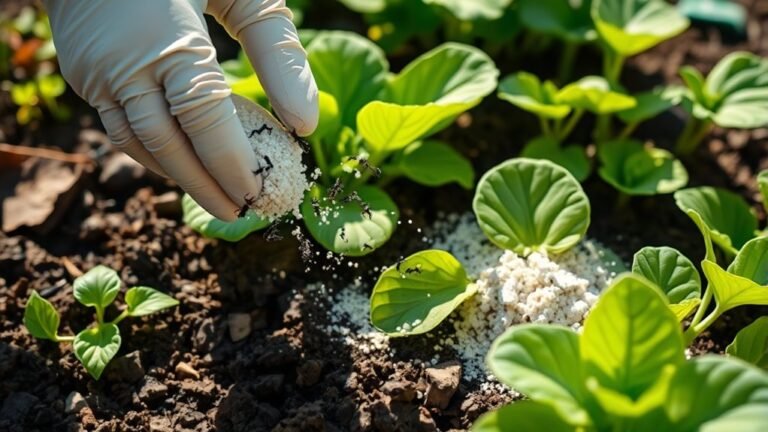
Next, block their entry points to your garden or home. You can also use natural repellents like peppermint oil and maintain dry conditions, as rats dislike damp spaces.
| Step | Action | Purpose |
|---|---|---|
| 1. Remove Food | Clear scraps, secure bins | Starve rats |
| 2. Block Access | Seal holes, gaps | Prevent entry |
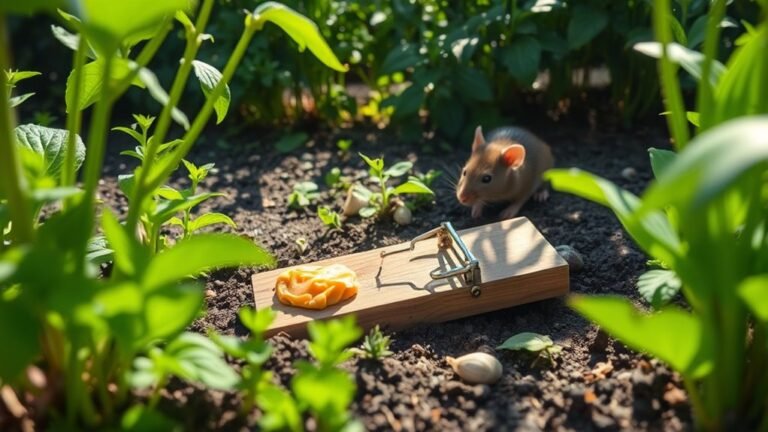
| 3. Use Repellents | Peppermint oil, traps | Drive rats away |
| 4. Maintain Dry | Fix leaks, improve drainage | Reduce rat habitat |
| 5. Monitor | Regular checks | Catch early signs |
Following these steps helps you make rats leave quickly and keeps your garden rat-free.
Mistakes That Keep Rats in Your Garden
Stopping bird feeding and following the right steps can help push rats out of your garden, but certain mistakes might be keeping them around longer than you’d like.
You might be unintentionally inviting rats back by:
- Leaving spilled birdseed or food scraps on the ground
- Ignoring dense vegetation or clutter where rats can hide
- Forgetting to secure compost bins or trash cans tightly
- Neglecting to repair holes or gaps in fences and sheds
- Continuing to feed pets outdoors without cleaning leftovers
Each of these oversights creates easy access or shelter for rats, making your garden more attractive despite stopping bird feeding.
Pay attention to these common errors and fix them promptly to increase your chances of making rats leave your garden for good.
When to Call a Professional for Rat Control
If you’ve tried removing food sources and sealing entry points but still notice rat activity, it’s time to call a professional for rat control. Rats multiply quickly and can hide in hard-to-reach places, making DIY efforts ineffective.
Professionals have the tools and expertise to identify nesting sites and use safe, targeted treatments to eliminate infestations. They can also help prevent future problems by advising on property maintenance and exclusion techniques.
If you see droppings, hear scratching noises at night, or spot rats frequently, don’t wait. Early intervention prevents damage to your garden and home.
Calling an expert ensures the problem is handled thoroughly and safely, saving you time and stress in the long run. Don’t hesitate—get professional help when rat control goes beyond your reach.
Frequently Asked Questions
Can Rats Carry Diseases Harmful to Pets in My Garden?
Yes, rats can carry diseases harmful to your pets, like leptospirosis and hantavirus.
You should keep your garden clean and remove food sources to reduce risks and protect your furry friends from potential infections.
Do Different Rat Species Behave Differently Around Bird Feeders?
Yes, some rats are bold and persistent around bird feeders, while others stay cautious and avoid them.
You’ll notice behavior varies by species, so understanding their habits helps you manage your garden’s rodent visitors effectively.
Are There Natural Predators That Help Control Rat Populations?
Yes, you’ll find natural predators like owls, hawks, snakes, and cats that help control rat populations. Encouraging these predators around your garden can reduce rats naturally, so you won’t have to rely solely on traps or poisons.
Can Rats Damage Garden Plants or Vegetables?
Rats can sure leave you high and dry by damaging your garden plants and vegetables. They chew roots, stems, and fruits, hurting growth and yield.
Don’t underestimate their appetite—they’ll feast like there’s no tomorrow.
Is It Safe to Use Poison to Eliminate Rats in the Garden?
Using poison in your garden isn’t safe because it can harm pets, wildlife, and children.
Instead, try traps or natural repellents to control rats more responsibly without risking unintended damage or danger around your home.
Conclusion
When you stop feeding birds, rats may stick around longer than you expect, coincidentally sticking to your garden just as you hoped they’d leave. But as they realize their food source is gone, they’ll start searching elsewhere, just like you’d move on from a dead-end.
By making your garden less inviting and acting quickly, you’ll tip the scales in your favor. Sometimes, the very act of caring for birds unknowingly invites rats—showing how closely nature’s balance depends on your choices.
Understanding how will rats leave your garden after stopping bird feeding helps you manage your space better. Taking these steps ensures your garden becomes less attractive to unwanted visitors over time.