4 Best Fungicides for Garden Soils to Try in 2026
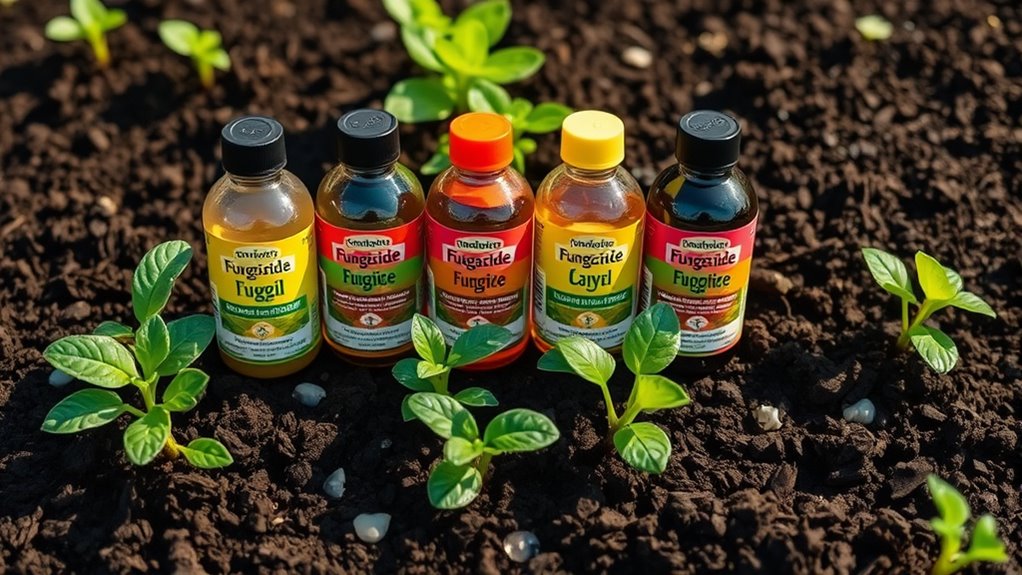
If you want healthy garden soils in 2026, try these top fungicides for garden soils that really work. These options help protect your plants from harmful fungi and keep your garden thriving all season long. Whether you prefer organic solutions or something a bit more conventional, there’s a product here for you.
Bonide Revitalize Biofungicide boosts plant immunity, helping your garden naturally fight off disease. Earth’s Ally Disease Control uses citric acid for a natural shield against fungal problems. Southern Ag Bio Fungicide contains beneficial Bacillus, making it perfect for organic care. And Safer SG5450 Sulfur Fungicide provides broad fungal protection suitable for many plants.
Each fungicide suits various types of plants and gardening practices, giving you effective disease control. Stick around to discover how to pick the best one for your garden’s unique needs.
| Image | Name | Editor's Rating | Price |
|---|---|---|---|

|
|
||

|
|
||
|
|
||

|
|
Bonide Revitalize Biofungicide 16 oz Concentrate
- Revitalize your home garden with Revitalize Biofungicide Concentrate from Bonide! Revitalize provides top to bottom...
- Approved for organic gardening, Revitalize Biofungicide is suitable for the production of organic produce and can even be...
- Revitalize triggers an immune response in plants to control and prevent listed diseases including blight, anthracnose...
- Apply this fungicide to plants both indoors and outdoors. Revitalize may be used on vegetables, fruits, nuts, trees, shrubs...
- This product arrives conveniently ready-to-mix! To use, mix with water according to label directions and apply as a foliar...
Bonide Revitalize Biofungicide 16 oz Concentrate offers a natural solution for gardeners aiming to protect their plants without synthetic chemicals. It works by activating your plants’ own immune systems, helping them resist common diseases like powdery mildew, blight, and black spot. This approach reduces the need for harsh treatments and supports healthier plant growth.
The concentrate is designed for easy mixing with water, allowing you to apply it as a foliar spray or soil drench. You can safely use it on a wide range of plants including vegetables, fruits, nuts, trees, shrubs, and houseplants. Its effectiveness lasts throughout the growing season and is safe to apply right up to harvest day.
Regular use of this biofungicide helps maintain plant health by preventing disease before it takes hold. While it may act more gradually than synthetic options, consistent application ensures strong protection. This makes managing plant diseases less stressful for gardeners who prefer organic methods.
Best for: Organic gardeners seeking a versatile, broad-spectrum biofungicide for various plants, with safe use through harvest.
What We Like:
- Approved for organic gardening and safe until the day of harvest
- Stimulates plant immune responses to combat multiple diseases
- Suitable for foliar spray or soil drench on indoor and outdoor plants
- Concentrate formula allows for flexible dilution and application
Specification:
| Feature | Details |
|---|---|
| Manufacturer | Bonide |
| Volume | 16 oz (473 ml) |
| Application | Foliar spray, soil drench |
| Suitable for | Vegetables, fruits, nuts, trees, shrubs, houseplants |
| Organic Approved | Yes |
Earth’s Ally Disease Control Fungicide Concentrate, 32 Oz
- TREATS AND CONTROLS PLANT DISEASE - Maintain the health of your plants with Earth’s Ally fungicide spray. Tackle common...
- SAFE FOR PEOPLE, PETS & PLANET - Formulated with citric acid, Earth’s Ally Disease Control is a natural fungicide spray...
- NO HARSH CHEMICALS – A safer alternative to harsh chemicals that leaves behind no harmful residues. Use our garden disease...
- ENVIROMENTALLY RESPONSIBLE – Earth’s Ally Disease Control is an OMRI Listed formula, suitable for use in organic...
- CONCENTRATED FORMULA – Makes 10 gallons of ready-to-use product. Mix 6 tablespoons of concentrate in 1 gallon of water.
Earth’s Ally Disease Control Fungicide Concentrate offers a natural and effective solution for managing common garden diseases. It targets powdery mildew, blight, and leaf spot on fruits, vegetables, flowers, and ornamentals. This product helps gardeners maintain healthy plants without relying on harsh chemicals.
The concentrate requires mixing just 6 tablespoons per gallon, producing 10 gallons of ready-to-use fungicide. This makes it easy to apply while providing broad coverage. Its formula includes citric acid, which controls diseases safely and is gentle on people, pets, and the environment.
Because it is OMRI-listed, Earth’s Ally is suitable for organic gardening and safe to use up to the day of harvest. This means you can protect edible plants without worrying about harmful residues. Maintaining plant health becomes straightforward and sustainable with this product.
Some users may find the precise measuring and mixing step inconvenient. It may also act slower compared to synthetic fungicides in severe cases. However, its safety and versatility make it a reliable choice for everyday garden care.
Best for: Eco-conscious gardeners and organic growers seeking a safe, all-in-one fungicide to protect a variety of plants from common diseases.
What We Like:
- OMRI-listed and safe up to harvest day for edible plants
- Concentrated formula yielding 10 gallons of fungicide
- Contains natural citric acid, free from harsh chemicals
- Suitable for fruits, vegetables, flowers, and ornamentals
- Environmentally friendly and pet-safe ingredients
Specification:
| Feature | Details |
|---|---|
| Manufacturer | Earth’s Ally |
| Volume | 32 oz (946 ml) |
| Coverage Yield | 10 gallons ready-to-use |
| Active Ingredient | Citric acid |
| Certification | OMRI-listed (organic) |
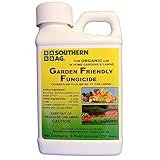
Southern Ag Garden Friendly Bio Fungicide Organic, 8 OZ
- Size: 8 OZ
- Biofungicide/Bactericide for control of plant diseases in home gardens, vegetables, ornamental and fruit trees, shrubs...
- CONTAINS: 98.85% Bacillus amyloliquefaciens strain D747*
- For large quantity discount consideration or to request a mixed multi-pack, please message us.

Southern Ag Garden Friendly Bio Fungicide Organic, 8 OZ offers a natural solution for managing plant diseases without harmful chemicals. This biofungicide harnesses the power of Bacillus amyloliquefaciens strain D747 to effectively control fungal and bacterial problems in your garden. It helps maintain healthy plant growth while protecting a wide range of plants.
Designed for vegetables, fruit trees, shrubs, lawns, flowers, and potted plants, this product fits seamlessly into organic gardening routines. Regular use promotes disease resistance, reducing the need for synthetic treatments. It’s especially useful for gardeners aiming to keep their spaces chemical-free.
Maintenance is straightforward, but severe infestations might require repeated applications to achieve the best results. Bulk purchasing options are available through direct seller contact, which can be convenient for larger gardens or multiple plant types. This product balances functionality with eco-friendly gardening.
Best for: Organic gardeners looking to control fungal and bacterial diseases across various plants while avoiding chemical fungicides.
What We Like:
- Contains 98.85% Bacillus amyloliquefaciens strain D747, a natural biofungicide
- Suitable for use on diverse plant types, including vegetables and ornamentals
- Supports healthy plant growth by managing diseases organically
- Offers bulk purchase options for larger gardening needs
Specification:
| Attribute | Details |
|---|---|
| Manufacturer | Southern Ag |
| Net Weight | 8 OZ (227 g) |
| Active Ingredient | Bacillus amyloliquefaciens strain D747 (98.85%) |
| Intended Use | Control of fungal and bacterial plant diseases |
| Suitable Plants | Vegetables, fruit trees, shrubs, lawns, flowers, potted plants |
Safer SG5450 Safer Brand Garden Fungicide – 24 oz
- Prevents & controls fungus + gentle on plants when used as directed
- Controls powdery mildew, black spot, leaf spot, and rust
- For use on roses, flowers, foliage plants, fruits & vegetables
- OMRI Listed and compliant for use in organic gardening
- Can be used up until the day before harvest
The Safer SG5450 Safer Brand Garden Fungicide is a practical solution for managing fungal diseases in your garden. Its OMRI-listed, sulfur-based formula targets common issues like powdery mildew, black spot, leaf spot, and rust. This product helps maintain the health of roses, fruits, vegetables, and other plants with minimal effort.
Designed as a ready-to-use 24 oz spray, it simplifies application. Just spray thoroughly at the first signs of disease and reapply after rain or as necessary. This routine helps keep your plants protected and vibrant throughout the growing season.
The fungicide’s gentle yet effective composition makes it safe for edible crops and suitable for organic gardening. While sulfur is powerful against fungi, some sensitive plants may need monitoring to avoid adverse effects.
Regular maintenance involves reapplication, especially after rain, to ensure continuous protection. The convenient spray bottle design offers ease of use and efficient coverage, saving time and effort in your plant care routine.
Best for: Organic gardeners and home growers seeking a straightforward, safe fungicide to protect both edible and ornamental plants from fungal infections.
What We Like:
- OMRI-listed and safe for edible crops
- Ready-to-use spray for easy application
- Controls multiple fungal diseases effectively
- Suitable for organic gardening practices
- Convenient bottle design for thorough coverage
Specification:
| Feature | Details |
|---|---|
| Manufacturer | Safer Brand |
| Volume | 24 oz (709 ml) |
| Formula Type | Sulfur-based fungicide |
| Application | Ready-to-use spray |
| Suitable Plants | Edible and ornamental |
Factors to Consider When Choosing Fungicides for Garden Soils
When picking a fungicide, you’ll want to consider which diseases it targets and whether it fits your organic gardening goals. Think about how you’ll apply it—some options are easier to use than others.
Also, check the active ingredients for safety and effectiveness. It’s important to keep the environmental impact in mind to protect your garden and the surrounding ecosystem.
Disease Target Spectrum
Because fungicides differ in the diseases they control, you need to choose one that effectively targets the specific pathogens affecting your garden soil. Some fungicides have a broad disease spectrum, protecting against multiple fungal and bacterial infections at once, which can save you time and effort.
Pay close attention to the active ingredients, as these determine which fungi or bacteria the product can control. If you want to protect beneficial soil microbes while managing diseases, organic-approved fungicides often focus on fungal and bacterial pathogens without harming helpful organisms.
Understanding the disease target spectrum ensures you pick a fungicide that offers comprehensive protection tailored to your garden’s needs. This way, you avoid unnecessary treatments and promote healthier soil and plants. Always match the product to the diseases you’re facing for the best results.
Organic Certification Status
Choosing a fungicide with proper organic certification ensures you protect your garden while meeting environmental and safety standards. Look for products listed by OMRI, as this certification confirms the fungicide complies with organic gardening practices.
Certified organic fungicides contain no synthetic chemicals, pesticides, or genetically modified organisms, making them safe for use on edible plants up to harvest. This status is crucial if you want to maintain your garden’s organic integrity and adhere to organic farming regulations.
Application Method Options
Although selecting the right fungicide is important, understanding how to apply it effectively can make all the difference in protecting your garden soil. You can choose soil drenches that soak into the soil around your plants or foliar sprays that target leaves and stems to stop diseases from spreading above ground.
Some fungicides come as seed treatments, coating seeds before planting to shield seedlings from soil-borne pathogens. Application methods vary — from ready-to-use sprays and concentrates you mix with water, to granular forms you spread on the soil surface.
Your choice depends on the disease you’re tackling, the type of plants you grow, and whether the fungicide is designed for soil or foliar use. Matching the method to your needs ensures better control and healthier plants.
Environmental Impact Considerations
When you pick a fungicide for your garden soil, it’s crucial to consider its environmental impact to protect beneficial insects, soil microbes, and nearby water sources. Opt for OMRI-listed or organic-approved fungicides that use eco-friendly ingredients like citric acid or Bacillus strains; these lower harm to non-target organisms.
Choose products with targeted activity to avoid disrupting soil biodiversity. Biodegradable formulations break down faster, reducing long-term residue buildup in your soil.
You should also apply fungicides carefully to minimize chemical runoff, which helps prevent contamination of surrounding ecosystems. By focusing on these factors, you maintain a healthy garden environment while effectively controlling fungal issues, supporting both plant health and ecological balance.
Active Ingredient Types
Since the active ingredient determines how a fungicide works, you should consider its type carefully before applying it to your garden soil. Fungicides typically contain either biological agents like Bacillus species or chemical compounds such as sulfur or copper-based formulas.
Biological ingredients like Bacillus amyloliquefaciens promote plant health while naturally inhibiting fungal growth. This makes them ideal if you want a gentler, eco-friendly option.
Chemical active ingredients create a hostile environment for fungi but need careful use to avoid harming your plants. So, if you go this route, be sure to follow the instructions closely.
If you’re into organic gardening, look for products with natural or OMRI-listed ingredients to stay compliant. That way, you protect your plants and keep things safe.
Ultimately, your choice affects which diseases you can control, the environmental impact, and whether the fungicide suits edible plants you’re growing. Choose wisely to protect both your garden and the ecosystem.
Usage Frequency Guidelines
Your choice of active ingredient directly influences how often you’ll need to apply a fungicide to your garden soil. Most fungicides recommend applications every 7 to 14 days during active disease periods to maintain optimal protection.
However, this frequency can change based on how severe the disease pressure is and current weather conditions. Organic fungicides typically require more frequent reapplications because their effects don’t last as long as synthetic ones.
Avoid applying fungicides right after heavy rain since it can wash them away, reducing their effectiveness. To keep your garden safe and prevent resistance, always follow the manufacturer’s guidelines for usage intervals.
Sticking to these recommendations will help you manage diseases efficiently without overusing fungicides. It’s all about finding the right balance for a healthy garden!
Safety for Edible Plants
Although protecting your garden from fungal diseases is important, you need to prioritize safety when applying fungicides to edible plants. Always choose products labeled safe for edible crops and approved for organic gardening. This helps make sure your food stays free from harmful chemicals.
Look for fungicides containing natural ingredients like citric acid or beneficial bacteria. These options pose fewer risks to you and your pets. Also, check if the product has an OMRI Listing or organic certification to confirm it meets strict safety standards.
Make sure the fungicide leaves no harmful residues and can be applied up to harvest day without health risks. Finally, follow the application instructions carefully to avoid overuse. Overusing can cause residue buildup and potential health concerns.
This approach keeps your garden safe and your harvest healthy. It’s all about protecting what you grow while keeping your family safe.
Frequently Asked Questions
How Do Fungicides Affect Beneficial Soil Microbes?
Fungicides can harm beneficial soil microbes by disrupting their balance and reducing nutrient cycling. This can weaken plant health over time.
Can Fungicides Be Used on Edible Plants Safely?
Using fungicides on edible plants safely is like walking a tightrope—you’ve got to follow label instructions closely and observe waiting periods to avoid harmful residues.
This way, you protect both your health and your garden’s delicate balance. It’s all about being careful and informed.
What Is the Best Time of Day to Apply Fungicides?
You should apply fungicides early in the morning or late in the afternoon when temperatures are cooler and plants are dry.
This helps the fungicide absorb better and prevents burning or evaporation under intense sun.
It’s really about giving the treatment the best chance to work effectively. Plus, applying at these times protects your plants from unnecessary stress.
Are There Any Organic Alternatives to Chemical Fungicides?
Think of your garden as a fortress; organic fungicides like neem oil, copper, and baking soda act as natural shields.
You can protect your plants effectively without harsh chemicals, keeping your soil and environment healthy and thriving.
How Often Should Fungicides Be Reapplied During a Growing Season?
You should reapply fungicides every 7 to 14 days during the growing season, especially after heavy rain or irrigation.
Always follow the product’s label instructions to ensure effective protection and avoid overuse.
It’s pretty important to stick to those guidelines so your plants stay healthy without any issues.
Conclusion
So, you’re ready to wage war on those pesky garden fungi? Just pick any of these “miracle” fungicides and watch your soil magically transform. Because who needs patience, crop rotation, or good old-fashioned composting anymore?
Why bother with nature’s balance when you can spray your way to a perfect garden overnight? Remember, in 2026, the answer to every soil problem is clearly a bottle with a fancy label.
But seriously, choosing the right fungicide for garden soils can make a huge difference. These top fungicides are designed to protect your plants effectively while maintaining soil health. So, whether you’re dealing with powdery mildew, root rot, or other fungal issues, using the best fungicides for garden soils can help you achieve a thriving garden.
Happy gardening, and here’s to healthy soil and happy plants with the best fungicides in 2026!