10 Tips if I Have a Hedgehog in My Garden
If you have a hedgehog in your garden, it’s important to make sure they can move around safely. One way to do this is by cutting 13×13 cm holes in fences to create safe passage.
Also, remember to clear away any debris regularly so they have a clear path to roam.
Feeding your hedgehog can be rewarding, but stick to high-quality cat food and fresh water. Avoid giving them harmful foods, and don’t feed them during the day since they’re nocturnal creatures.
Building a cozy shelter is another great way to help. Use logs and leaves, and be sure to stay away from chemicals that could hurt them.
If you have dogs, keep an eye on them to prevent any accidental harm.
Before lighting bonfires or turning over compost, always check for hedgehogs hiding inside.
If you notice any health issues, report them quickly to get your spiny visitor the help it needs.
Follow these tips, and you’ll find even more ways to support your garden’s hedgehog!
Key Takeaways
- Create 13 x 13 cm holes in fences at ground level to allow safe hedgehog movement between gardens. This helps them explore and find food easily without getting stuck.
- Provide high-quality dry cat food and fresh water at night. Just remember to avoid harmful foods like bread and dairy, as these can upset their tummies.
- Avoid using chemical pesticides and slug pellets. Instead, try natural pest control methods like sprinkling eggshells and coffee grounds around your garden.
- Regularly check bonfires and compost heaps for hedgehogs before disturbing them. This simple step can prevent accidental harm to these little creatures.
- Make natural shelters with logs and leaves in quiet, sheltered spots. These cozy spots support breeding and hibernation, giving hedgehogs a safe place to rest.
Why Hedgehogs Need Your Garden’s Help
Although hedgehogs once thrived in many environments, their numbers have dropped sharply due to habitat loss. This makes your garden an essential refuge.
You can help by creating hedgehog highways—small 13 x 13 cm holes in fences that let them roam safely between gardens. This connectivity boosts their food supply, giving them access to insects, slugs, and worms essential for survival.
By providing natural shelters like log piles or compost heaps, you support their breeding and hibernation needs. Leaving out fresh water and occasional food during spring and summer further aids their wellbeing.
Creating natural shelters and offering water and food helps hedgehogs breed, hibernate, and thrive in your garden.
Your garden becomes a critical haven where hedgehogs can find everything they need to thrive despite shrinking habitats. It’s a simple way to make a big difference.
How to Spot Hedgehogs in Your Garden
You can spot hedgehogs by looking for tiny tracks with four toes and checking for their dark, cylindrical droppings around 5 cm long.
Keep an eye out for nighttime activity since hedgehogs are mostly active after dark. Watching their behavior closely helps you know if they’re healthy or might need help.
Identifying Hedgehog Tracks
Spotting hedgehog tracks in your garden can be easier than you think once you know what to look for. Hedgehog tracks have a distinctive pattern: front feet look like tiny handprints, while back feet are longer with four visible toes. These tracks are clear signs that a hedgehog has visited.
To get better impressions, set up footprint tunnels filled with damp sand or flour along hedgehog paths, especially near log piles or leaf litter where they often forage. Since hedgehogs are nocturnal, check for tracks early in the morning or at night when they’re most active.
Regularly looking for these subtle hedgehog tracks will help you confirm their presence and better understand their garden routes without disturbing them. It’s a simple way to keep an eye on these little visitors without causing any harm.
Recognizing Hedgehog Droppings
When hedgehogs visit your garden, their droppings offer a clear clue to their presence. Hedgehog droppings are cylindrical, about 5 cm long, and dark, making them easy to spot among other garden waste.
If you check for hedgehogs regularly, focus near feeding spots where droppings are most common. And keep an eye out for green or slimy droppings, which might signal illness and need attention.
Here’s a quick guide to hedgehog droppings:
| Feature | Description | What It Means |
|---|---|---|
| Shape | Cylindrical | Typical hedgehog sign |
| Length | Around 5 cm | Normal size |
| Color & Texture | Dark, firm; green/slimy if ill | Healthy vs sick |
Use this to check for hedgehogs effectively in your garden. It’s a simple way to know if these little visitors have been around!
Observing Hedgehog Behavior
Hedgehogs usually come out at night, so keep an eye on your garden during the evening hours to catch their activity. Spotting a hedgehog in the garden becomes easier when you know what to look for.
Here’s how you can observe their behavior effectively:
- Watch for their unique tracks—tiny front feet prints like handprints and longer back feet with four toes.
- Look for cylindrical droppings about 5 cm long; dark poo is normal, but green or slimy droppings may mean illness.
- Note their hedgehog feeding patterns; they often visit the same spot multiple times a night.
- Be alert for unusual daytime activity or wobbliness, signs a hedgehog might need help.
Create Hedgehog Highways for Safe Passage
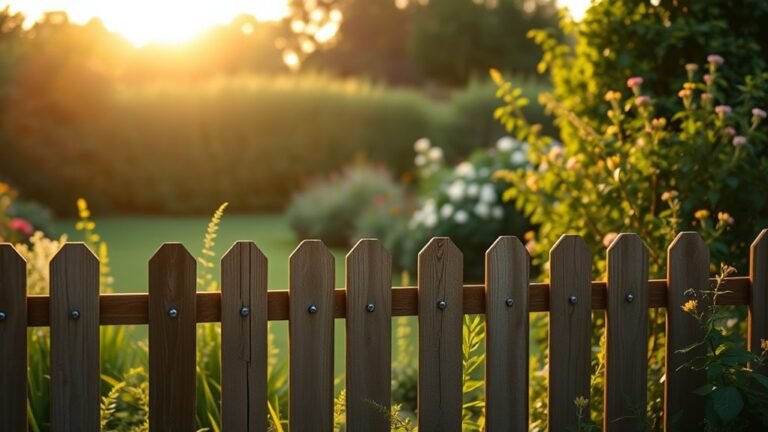
You can create safe hedgehog highways by cutting 13 x 13 cm holes low in your fences to let them pass easily. These openings help hedgehogs move between gardens, increasing their chances of finding food and mates.
It’s a simple way to make a big difference. Why not talk to your neighbors about making similar gaps?
Connecting your outdoor spaces like this supports local hedgehog populations and helps them thrive.
Fence Hole Dimensions
Cutting a 13 cm by 13 cm hole at ground level in your garden fence creates an important hedgehog highway. This allows these creatures to move safely between spaces.
This specific size guarantees easy access while protecting your garden. To optimize these escape routes, there are a few simple tips you can follow.
First, position the hole at ground level for effortless entry and exit. It really makes a difference for the little guys.
If you can, make multiple holes to increase connectivity within the garden. More pathways mean happier hedgehogs.
Also, remember to regularly clear debris to keep the hedgehog highway unobstructed. You don’t want anything blocking their way.
Lastly, confirm holes are smooth-edged to prevent injury. It’s a small step that helps keep them safe.
These fence hole dimensions provide crucial escape routes, supporting hedgehogs’ foraging and nesting habits. By creating these safe passages, you’ll help hedgehogs avoid road dangers and thrive across your garden’s green spaces.
Connecting Neighboring Gardens
Although creating a single hole in your fence helps, connecting neighboring gardens by making 13 x 13 cm hedgehog highways at ground level lets these animals roam freely and safely across a wider area. You can create hedgehog highways by cutting holes in your fences, allowing hedgehogs to travel between gardens easily.
Since hedgehogs roam up to two miles nightly searching for food and mates, these passageways are essential for their movement and safety. It’s a simple way to make a big difference for these little creatures.
Encourage your neighbors to join this effort, fostering a community network that reduces road accidents and supports wildlife. When more people get involved, the benefits multiply.
Don’t forget to regularly check these highways to keep them clear and accessible year-round. By working together, you help hedgehogs travel safely, promoting local biodiversity and supporting conservation in your area.
Build Natural Hedgehog Shelters With Logs and Leaves
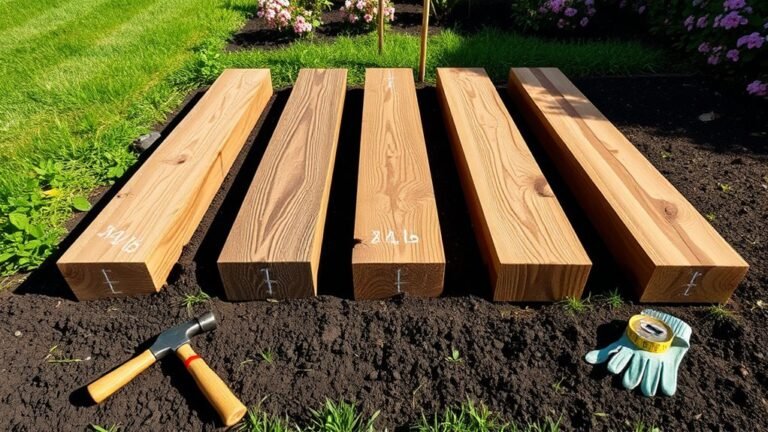
When you gather old logs and leaves from your garden or nearby parks, you create a natural shelter that offers hedgehogs a warm, safe spot for nesting and hibernation. Building a simple hedgehog house with log piles provides essential cover and attracts insects, their natural food source.
Gathering logs and leaves creates a cozy, natural shelter for hedgehogs to nest and find food.
Here’s how to get started:
- Stack log piles quietly in a corner to encourage insect life and offer breeding sites.
- Create leaf piles nearby for bedding and protection from weather.
- Combine logs and leaves to mimic natural habitats, making hedgehogs feel secure.
- Check and refresh these piles regularly since they decompose and lose effectiveness over time.
Feed Hedgehogs Nutritious Food and Fresh Water
To keep hedgehogs healthy and active in your garden, you should offer them nutritious food and fresh water regularly. Feed hedgehogs high-quality dry cat food, especially chicken or turkey varieties, along with wet food to support hydration and nutrition.
Always provide fresh hedgehog food and water in shallow dishes, checking daily to keep them clean and filled. Avoid leaving food out during the day to prevent pests and stick to regular feeding times to build a routine.
Supplement their diet naturally with insects, slugs, and earthworms, which are essential for their health. Make sure any food you offer is free from harmful substances—never feed bread, dairy, or grapes.
Avoid Harmful Chemicals and Pesticides in Your Garden
Feeding hedgehogs nutritious food helps keep them healthy, but protecting them means more than just what you offer on a plate. Hedgehogs need a safe environment, so avoid harmful chemicals and pesticides in your garden.
Feeding hedgehogs well is key, but creating a safe, chemical-free garden is just as important.
These substances can poison them indirectly through contaminated prey like slugs. So, it’s best to keep your garden free from these dangers.
To keep your garden hedgehog-friendly:
- Skip chemical pesticides and slug pellets; they pose serious risks.
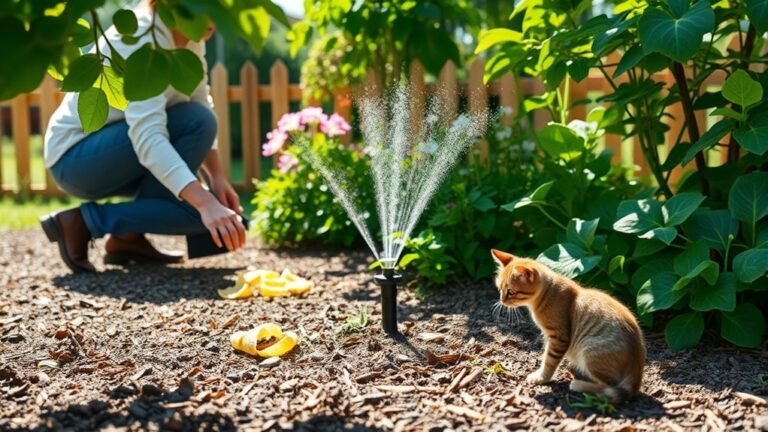
- Use natural alternatives like eggshells and coffee grounds to deter pests safely.
- Regularly check for harmful chemicals and choose wildlife-safe treatments.
- Practice organic gardening to enhance biodiversity and provide diverse food sources.
Doing these simple things makes your garden a safe haven for hedgehogs and other wildlife. It’s all about keeping nature happy and healthy!
Keep Dogs Away to Protect Hedgehogs
Although dogs can be great companions, they may pose a serious threat to hedgehogs in your garden. Dogs can easily harm vulnerable hedgehogs, especially young or sick ones.
To protect these small creatures, keep dogs away from areas where hedgehogs roam. You can use outside lights to alert hedgehogs when dogs approach, giving them time to escape.
Always supervise your dogs in the garden, as their curiosity or aggression could lead to accidental injury. When in hedgehog-prone areas, consider keeping your dogs on a lead to guarantee control.
It’s also important to educate family members and guests about the need to protect hedgehogs by managing dog interactions carefully. Taking these steps helps create a safer environment for hedgehogs in your garden.
Always Check Bonfires and Compost for Hedgehogs
Before you light a bonfire or turn over your compost heap, always check carefully for hedgehogs that might be nesting inside. These little creatures often seek shelter in bonfire piles and compost heaps, so it’s essential to be vigilant.
Here’s what you should do:
- Disturb the bonfire pile gently to make sure no hedgehogs are hiding within.
- Inspect your compost heap thoroughly before turning it over.
- Look for signs like tracks or disturbed organic material around these areas.
- Take your time to avoid injuring any hedgehogs unknowingly.
Report Hedgehog Sightings and Health Concerns
If you spot a hedgehog in your garden, recording the sighting can make a real difference for conservation efforts. Note the date, time, and behavior of hedgehogs visiting your space to help build essential data on their populations and habitats.
Pay close attention to any daytime activity—it could signal health concerns like injury or illness. If the hedgehog seems healthy, leave out clean water and suitable food.
However, if you notice wobbliness, lethargy, or signs of injury, contact local rescue centers or the British Hedgehog Society immediately. Lone hoglets need urgent reporting since they’re especially vulnerable.
Even noting when you don’t see hedgehogs helps researchers track their numbers and protect these charming garden visitors. Your observations truly matter.
Set Up a Hedgehog Home for Winter Hibernation
To help hedgehogs hibernate safely, choose sturdy, weatherproof materials for their shelter and place it in a quiet, protected spot in your garden.
Make certain the home is properly insulated with straw or dry leaves to keep them warm through winter.
Preparing the right nesting environment guarantees they have a cozy, accessible space to rest until spring.
Choosing Shelter Materials
Creating a cozy hedgehog home for winter hibernation starts with choosing the right natural materials. The shelter materials you pick will make all the difference in keeping your hedgehog safe and warm.
For a sturdy hedgehog house, focus on materials that mimic their natural environment. That way, your little friend will feel right at home.
Here are four key shelter materials to take into account:
- Logs and small branches for structure and insulation.
- Straw or dry grass to provide warmth and softness.
- Fallen leaves to create a natural bedding layer.
- A waterproof roof, like a wooden board, to keep rain and snow out.
Using these materials, you’ll help create a snug, dry space where hedgehogs can comfortably hibernate through the cold months. It’s all about making a safe, warm hideaway for them!
Optimal Nesting Locations
When setting up a hedgehog home for winter hibernation, you’ll want to choose a quiet, sheltered spot in your garden where your spiky visitor can feel safe and hidden. Ideal nesting locations include areas surrounded by natural materials like logs or leaf piles, which provide extra insulation and camouflage.
Place the hedgehog house on slightly raised ground to avoid flooding and guarantee good air circulation through ventilation holes. The house should have a small entrance, about 13 x 13 cm, to keep predators out while allowing easy access.
Fill the hedgehog house with dry leaves, straw, or shredded paper for warmth. Try to avoid disturbing the house once your visitor settles in. And remember to check carefully for signs of use to make sure your hedgehog stays comfortable throughout winter.
Preparing For Hibernation
Although hedgehogs naturally find their own winter shelters, you can really help them out by setting up a well-insulated and sheltered hedgehog home in your garden. A cozy, dry space is super important because it helps them conserve energy during the cold months.
Here’s what you can do:
- Choose or build a hedgehog house insulated with natural materials like straw or dried leaves. This keeps it nice and warm inside.
- Make sure the entrance is at least 13 x 13 cm wide so they can get in easily.
- Place the house somewhere quiet and undisturbed, close to food sources. This way, they have easy access before hibernation starts.
- Don’t forget to provide fresh water nearby. Also, check the house regularly to see if it’s being used and keep it clean.
Doing these things really supports healthy hibernation and helps local hedgehogs survive through the winter.
Frequently Asked Questions
What Should I Do if I Have a Hedgehog in My Garden?
If you have a hedgehog in your garden, provide fresh water, offer meat-based food, create safe passages, check for hazards, and consider a hedgehog house. Monitor its behavior, especially if it appears during the day.
Are Hedgehogs Good to Have in Your Garden?
Yes, hedgehogs are great for your garden! They naturally control pests, boost biodiversity, and indicate a healthy environment. You’ll enjoy watching them while helping local wildlife thrive. Just provide safe shelter and food.
What Are Three Things You Should Not Feed a Pet Hedgehog?
You shouldn’t feed your pet hedgehog dairy products like milk, bread, or grapes. These can cause digestive issues, provide little nutrition, or even be toxic. Avoid chocolate and processed human foods too, for their safety.
What Do Hedgehogs Do in October?
In October, hedgehogs forage heavily to build fat for hibernation, actively seek nesting sites, and become more active at dusk and dawn. You’ll notice them preparing for winter by eating insects and finding cozy shelter spots.
Conclusion
If you have a hedgehog in your garden, you’re playing an essential role in their survival. Did you know hedgehog numbers have dropped by over 50% in the last 20 years? By creating safe spaces, providing food, and keeping an eye out, you’re helping these charming creatures thrive.
Every small effort counts—so keep your garden hedgehog-friendly. It’s not just about protecting them; it’s about enjoying the magic of watching hedgehogs roam safely at night. With a little care, your garden can become a haven for these nocturnal visitors, supporting their wellbeing and helping reverse their decline. So, keep providing food, water, and shelter, and watch your garden come alive with the quiet, delightful presence of hedgehogs.