How to Kill Ants in the Garden Step-by-Step
To kill ants in your garden effectively, start by spotting their nests and trails. This helps you target the source directly and makes your efforts much more successful. Ants can be tricky, so it’s important to understand where they’re coming from before you act.
Next, remove any food sources that might attract them, like fallen fruits or pet food left outside. Keeping your garden clean is a simple but powerful way to discourage ants from sticking around.
You can also use natural deterrents like vinegar sprays, coffee grounds, or citrus peels placed around your plants. These are safe for your garden and help keep ants at bay without harsh chemicals.
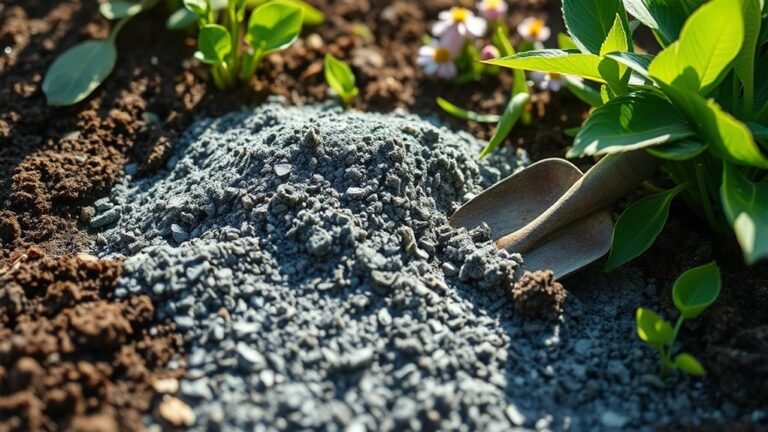
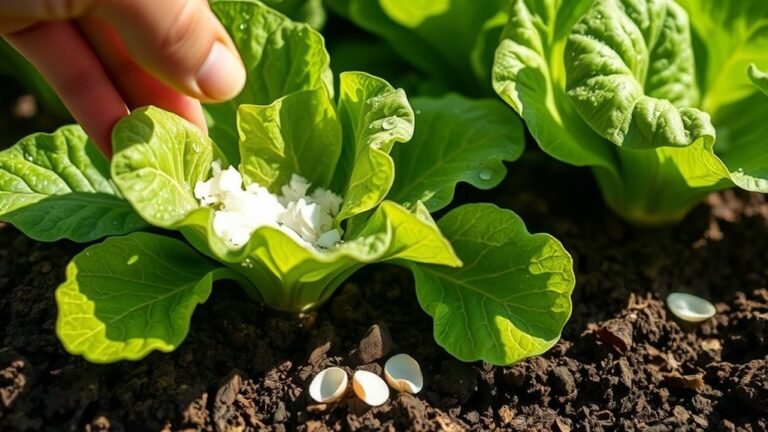
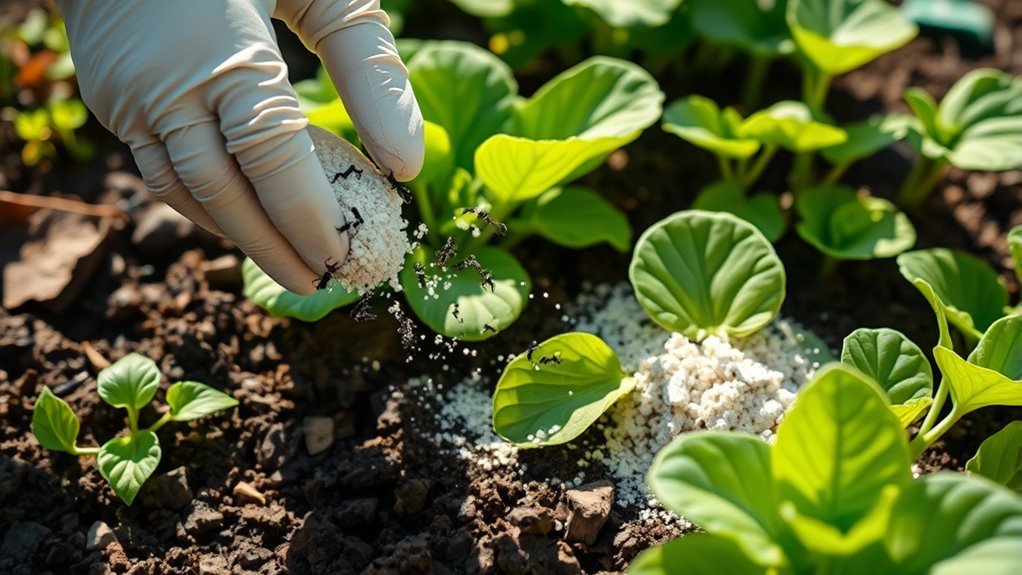
Another great tip is to create physical barriers. Sprinkle diatomaceous earth or lay down copper tape to block their paths and stop them in their tracks.
For bigger infestations, slow-acting bait traps work well. They let ants carry poison back to their colony, which helps eliminate the problem safely over time.
Finally, keep an eye on your garden regularly. Monitoring helps you stay ahead of any new ant activity and gives you a chance to try more ways to protect your plants.
Key Takeaways
- Identify ant species to distinguish harmful ones from beneficial garden ants before treatment. This way, you won’t accidentally get rid of the good guys.
- Remove all food sources like spills, fallen fruits, and pet food to reduce ant attraction. Keeping things clean really helps keep ants away.
- Apply natural deterrents such as vinegar spray, coffee grounds, or essential oils around plants. These are safe and often effective for discouraging ants.
- Use physical barriers like diatomaceous earth or copper tape to block ant entry points. It’s like putting up a little fence they can’t cross.
- Locate nests and use slow-acting bait traps carefully to eliminate colonies without harming beneficial ants. Patience is key here since quick sprays can do more harm than good.
How to Safely and Effectively Get Rid of Ants in Your Garden
Anyone dealing with ants in their garden should first identify the species. Some, like black garden ants, actually benefit soil health, while others, such as fire ants, can harm plants and sting people.
To effectively get rid of harmful ants, start by removing food sources that attract them—clean up spills and seal food waste. You can use natural deterrents like vinegar and water sprays or coffee grounds to disrupt ant activity without damaging garden ants that help your soil.
Physical barriers such as diatomaceous earth can deter ants by creating an inhospitable surface. If an ant infestation persists, consider effective ant bait traps with slow-acting poison to safely eliminate ants and their colonies.
This approach balances control with preserving beneficial species and overall garden health. It’s all about keeping your garden thriving while managing the pests smartly.
Finding Ant Nests and Trails in Your Garden
Locating ant nests and trails in your garden is the first step to controlling their population effectively. To find ant nests, watch for ant trails—lines of ants moving between food sources and nests.
Visible nests often appear as small soil mounds or under stones in sunny spots. Pay attention to areas of high activity like food sources and moisture zones to locate colonies.
You should also check for nests by gently probing the soil. Keep an eye out for soil disturbances, such as tiny holes or indentations caused by ants.
| What to Look For | Where to Look | How to Identify |
|---|---|---|
| Ant trails | Between food and nest | Lines of moving ants |
| Visible nests | Soil mounds, under stones | Small soil piles or holes |
| High activity zones | Near moisture, garden beds | Concentrated ant movement |
| Soil disturbances | Around suspected nests | Holes or aerated soil surface |
Frequently Asked Questions
How to Kill Ants in a Garden Without Killing Plants?
You can kill ants without harming plants by flooding nests with water, using natural repellents like vinegar or lemon juice, sprinkling diatomaceous earth, planting ant-repelling herbs, or creating physical barriers with sticky tape or petroleum jelly.
What Is an Ant’s Worst Enemy?
You’ll find pharaoh ants are an ant’s worst enemy since they invade and outcompete other ants for resources. They disrupt colonies fiercely, making them a natural and effective competitor you can rely on in your garden.
How Do I Get Rid of Ants in My Vegetable Garden?
You can get rid of ants by cleaning up food debris, spraying vinegar-water around plants, planting mint or wormwood, and using ant bait carefully. Identifying the ant species helps you choose the best control method.
How to Permanently Kill Ants in a Yard?
You’ll identify the species, you’ll target the colony with slow-acting baits, you’ll flood nests with boiling water, and you’ll create barriers with diatomaceous earth. You’ll maintain cleanliness to prevent reinfestation and guarantee lasting control.
Conclusion
So, you’ve gone through all the trouble to find those sneaky ant nests and trails, only to realize they’re probably more organized than your entire garden plan. Isn’t it ironic that these tiny invaders work so hard just to remind us who really runs the show?
But hey, with these steps, you can show them who’s boss—because sometimes, the smallest creatures teach us the biggest lessons about persistence and patience. Getting rid of ants in the garden might seem tricky, but with the right approach, it’s totally doable.
Remember, killing ants in the garden isn’t just about wiping them out—it’s about protecting your plants and keeping your garden healthy. So, follow these steps carefully, stay consistent, and soon enough, those ants won’t stand a chance!