How Can I Get Rid of Slugs in the Garden Step by Step?
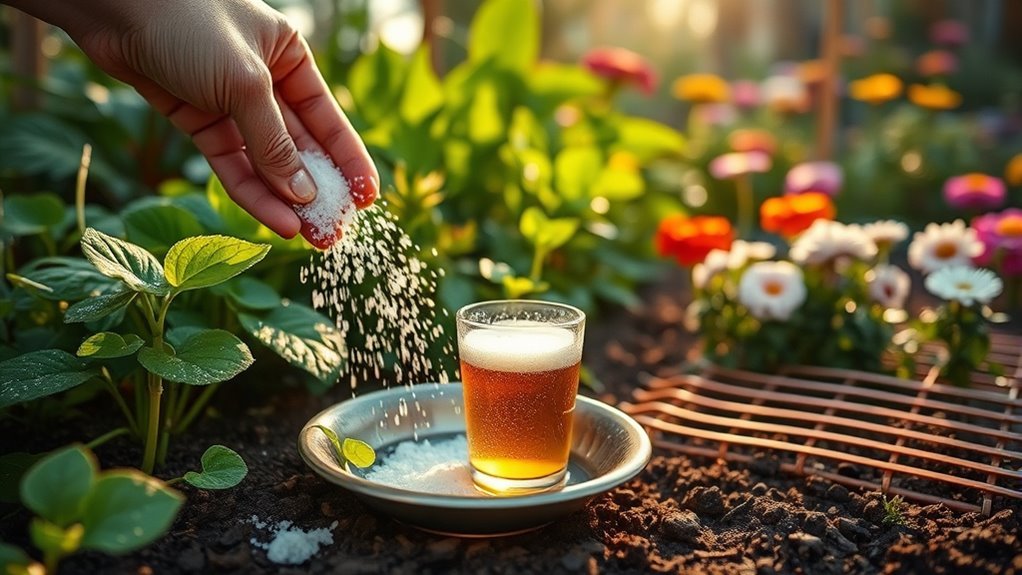
You can get rid of slugs in the garden by first identifying their damage, such as holes in leaves and slime trails. These signs help you know where the slugs are active and how severe the infestation might be.
Next, stop attracting slugs by spacing plants properly, avoiding overwatering, and removing decaying debris. These steps reduce the moist and sheltered environment that slugs love.
Use barriers like copper tape or crushed eggshells to keep slugs away from your plants. Setting traps, such as beer containers, can also help catch and reduce their numbers.
Try natural repellents like garlic spray or planting herbs that slugs dislike. Encouraging predators like birds and keeping the garden tidy further supports slug control.
Keep up these steps consistently, and you’ll protect your plants effectively. There’s more to explore for long-lasting slug control.
How To Identify Slug Damage In Your Garden
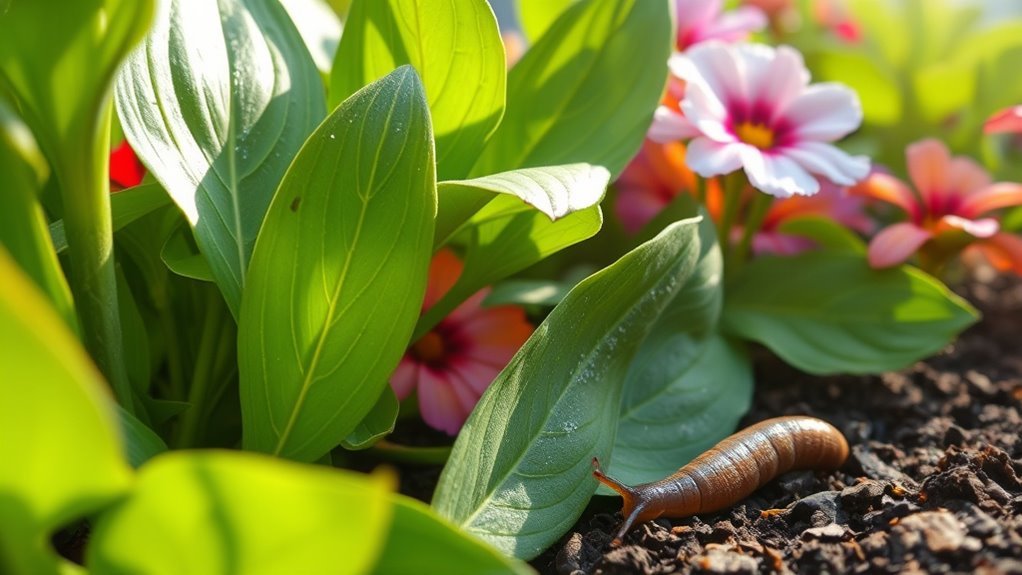
Although slugs are small, they can cause significant damage to your garden. You’ll notice irregular holes in your leaves, often with smooth edges, unlike the jagged tears caused by other pests.
Slugs typically feed at night or on cloudy days, so you might find slime trails glistening on your plants or soil in the morning.
Seedlings and tender plants are especially vulnerable; if you see plants wilting or missing entirely, slugs might be the culprit. Check under leaves, pots, and garden debris during damp conditions—slugs love hiding there.
What Attracts Slugs: Causes And Prevention Tips
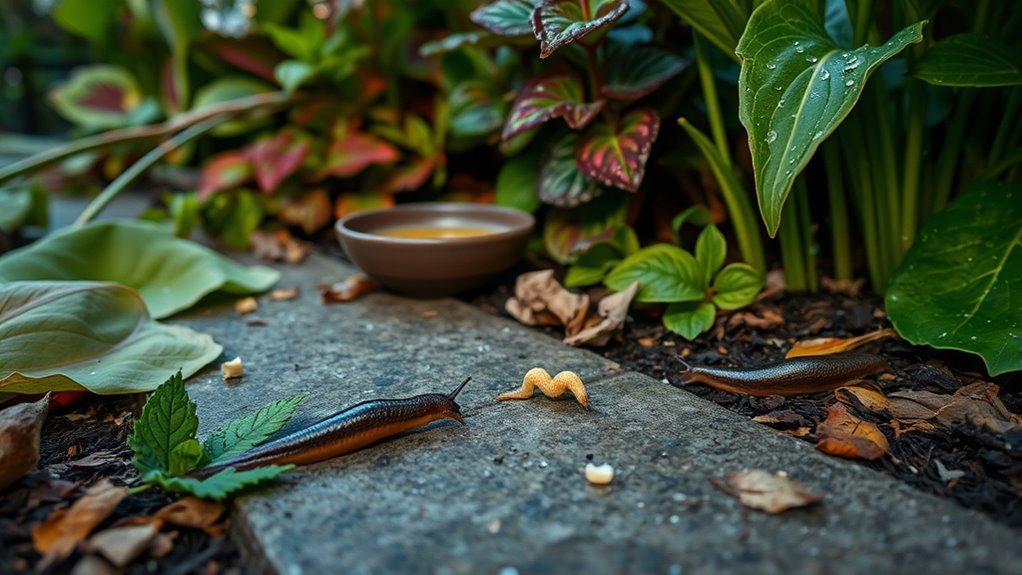
Because slugs thrive in moist, shady environments, your garden’s damp areas and dense foliage can easily attract them. Overwatering creates ideal conditions, so be careful not to keep soil soggy.
Slugs love damp, shady spots—avoid overwatering to keep your garden less inviting to them.
Thick mulch and piles of leaves also provide perfect hiding spots for slugs during the day.
You’ll want to remove any decaying plant matter, as slugs feed on rotting leaves and stems.
Planting slug favorites like lettuce, hostas, and strawberries near these moist spots can invite them in, so consider relocating these or managing moisture around them.
To prevent slug infestations, improve air circulation by spacing plants properly and trimming dense growth.
Using Barriers And Traps To Protect Your Plants
When you want to keep slugs away from your plants, using barriers and traps offers an effective first line of defense.
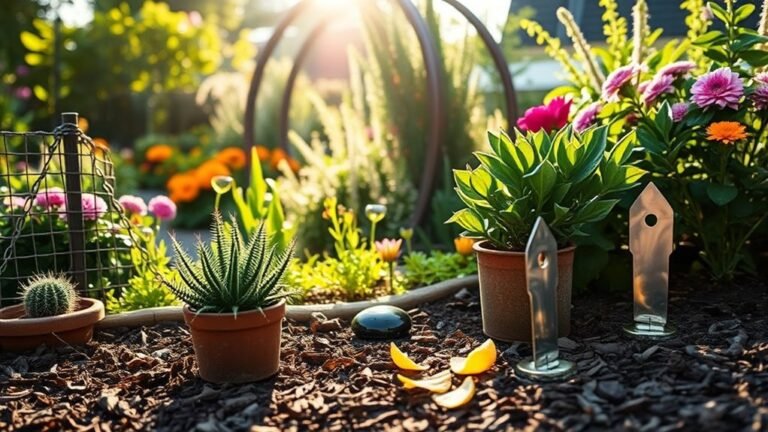
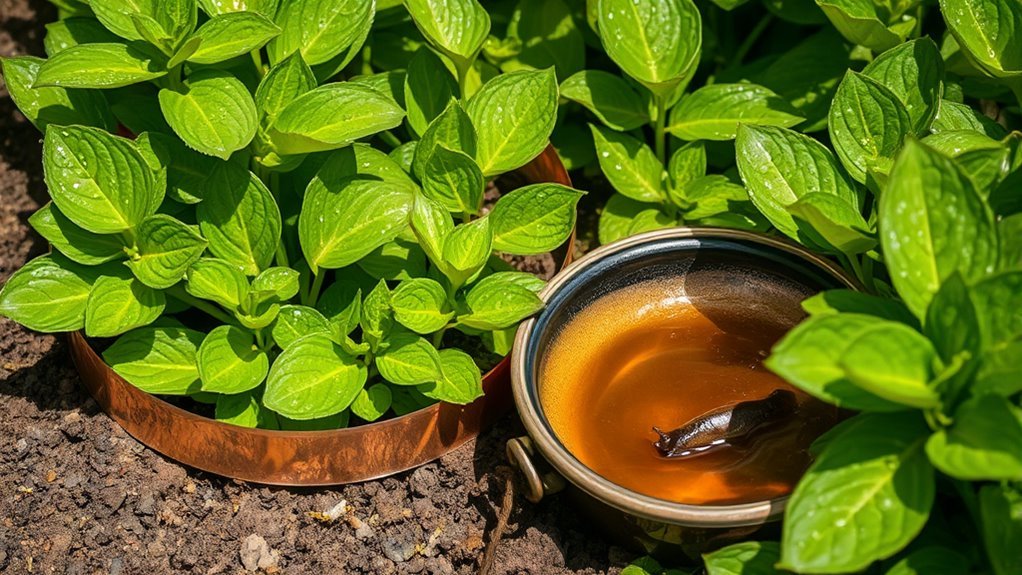
You can place copper tape or strips around pots and garden beds since slugs dislike crossing copper due to a harmless electric reaction.
Another barrier option is crushed eggshells or diatomaceous earth sprinkled around your plants; these rough surfaces repel slugs by damaging their soft bodies.
For traps, you can set beer traps by burying shallow containers filled with beer at soil level.
Slugs are attracted to the yeast and fall in, unable to escape.
Alternatively, damp boards or overturned flower pots work well as shelters where slugs gather, allowing you to collect and remove them easily each morning before they damage your plants.
Simple Home Remedies To Get Rid Of Slugs Safely
You can keep slugs away using natural repellents like coffee grounds or crushed eggshells, which are safe for your garden.
Simple barrier methods, such as copper tape or diatomaceous earth, create effective boundaries without harmful chemicals.
These home remedies help protect your plants while keeping the environment healthy.
Natural Slug Repellents
Looking for safe and simple ways to keep slugs out of your garden? Natural slug repellents offer an effective solution without harsh chemicals. You can sprinkle coffee grounds around your plants—slugs dislike the caffeine and rough texture.
Another option is crushed eggshells; their sharp edges deter slugs from crossing. Garlic spray, made by blending garlic cloves with water, works well as a natural irritant.
You might also try planting slug-repelling herbs like rosemary, thyme, or mint near your vegetables—they emit scents slugs avoid.
Finally, diatomaceous earth, a powder made from fossilized algae, damages slug skin and keeps them at bay. Using these natural repellents helps protect your garden safely while preserving beneficial insects and the environment.
Safe Barrier Methods
Although slugs can be persistent pests, you can protect your garden with simple barrier methods that keep them out without harmful chemicals. These barriers create physical obstacles slugs can’t cross, making your plants safer.
You can use everyday materials that are easy to apply and maintain.
Here’s a quick comparison of common safe barriers:
| Barrier Type | How It Works | Maintenance Tips |
|---|---|---|
| Copper Tape | Slugs get a mild shock | Replace if damaged |
| Crushed Eggshells | Sharp edges deter slugs | Replenish after rain |
| Sand or Grit | Difficult to crawl over | Keep layer thick |
| Diatomaceous Earth | Abrasive to slugs’ bodies | Avoid when wet |
Try combining barriers for better protection.
When Should You Use Natural Predators Against Slugs?
Because slugs tend to thrive in damp, cool conditions, natural predators become most effective during early spring and late fall when slug activity peaks. You should introduce or encourage beneficial creatures like ground beetles, birds, and frogs at these times to help control slug populations naturally.
Watch your garden closely during these seasons; if you notice increased slug damage, it’s the perfect moment to boost predator presence. Avoid using chemical pesticides that could harm these helpful animals.
Also, maintaining a habitat that attracts natural predators—such as leaving leaf litter or installing birdhouses—can enhance their impact.
Maintaining A Slug-Free Garden Year-Round
To keep slugs from damaging your garden throughout the year, you need consistent care and proactive measures. Start by regularly removing debris, fallen leaves, and hiding spots where slugs thrive. Keep your garden tidy and well-drained, as slugs prefer damp environments.
Use barriers like copper tape or crushed eggshells around plants to discourage slug movement. Introduce natural predators such as birds or beetles to maintain balance. Water your garden early in the day to allow soil and plants to dry by evening when slugs are most active.
Rotate crops and avoid planting slug favorites consecutively. Finally, inspect your garden weekly to catch early infestations and act quickly.
Frequently Asked Questions
Are Slugs Harmful to Pets or Children?
Slugs aren’t directly harmful to pets or children, but they can carry parasites like lungworm that might cause illness.
You should always wash hands and keep pets from eating slugs to stay safe and healthy outdoors.
Can Slug Infestations Affect Indoor Plants?
Slugs can sneak into your indoor plants like uninvited guests, damaging leaves and stems. You’ll want to act fast by inspecting regularly and using natural barriers or traps to keep those slimy pests at bay indoors.
What Is the Lifespan of a Garden Slug?
A garden slug typically lives about 1 to 2 years. You’ll notice they hatch in spring, grow through summer, and some survive winter if conditions are mild.
Keep an eye on them year-round to manage your garden.
Do Chemical Slug Baits Harm Beneficial Insects?
You can’t have your cake and eat it too—chemical slug baits often harm beneficial insects along with pests.
How Do Weather Changes Influence Slug Activity?
You’ll notice slugs become more active during cool, damp weather because they thrive in moisture. Hot, dry conditions make them less active, so you can time your slug control efforts around these weather changes for better results.
Conclusion
Imagine stepping into your garden, leaves vibrant and free from the slimy trails of slugs. By spotting their damage early, removing what attracts them, and setting up barriers or traps, you can protect your plants effortlessly.
Try simple home remedies or invite natural predators to keep your garden thriving. With consistent care, you’ll enjoy a slug-free sanctuary all year long—lush, healthy, and ready to bloom beautifully under your loving watch.
Following these steps to get rid of slugs in the garden will help maintain a healthy environment for your plants. Implementing effective slug control measures ensures a flourishing garden free from slug damage.