Can I Have a Fire in My Garden Safely?
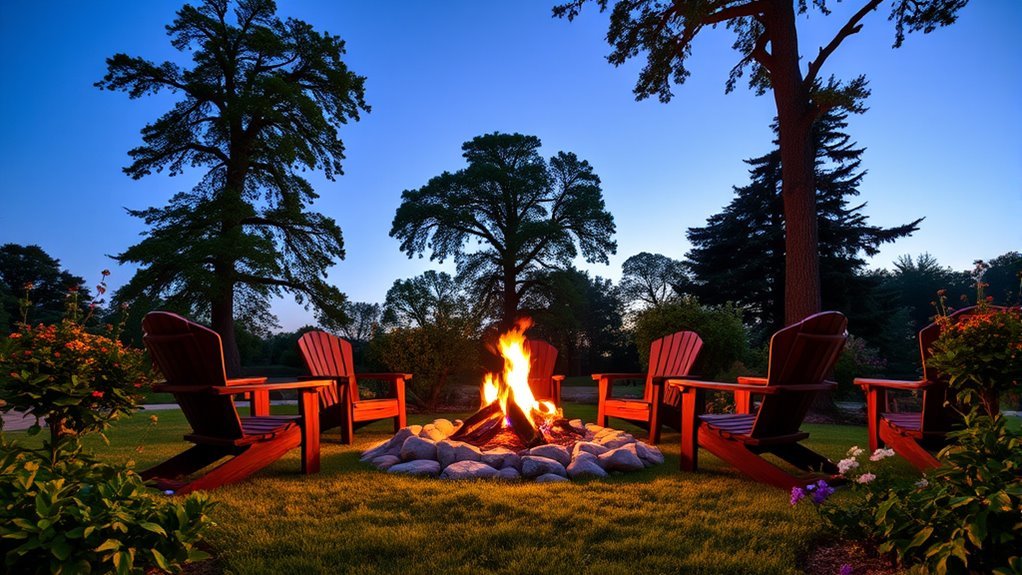
You can have a fire in your garden safely by following local laws and choosing a safe spot away from buildings, trees, and dry materials. Using proper fire pits or containers is essential to contain the flames and reduce risk.
Keep water and fire safety tools nearby at all times, and never leave the fire unattended. Always fully extinguish the flames before leaving to prevent accidental fires.
Taking these steps helps prevent hazards and keeps everyone safe. There’s more to know about managing, maintaining, and safely enjoying your garden fire.
Can You Have a Garden Fire Legally?
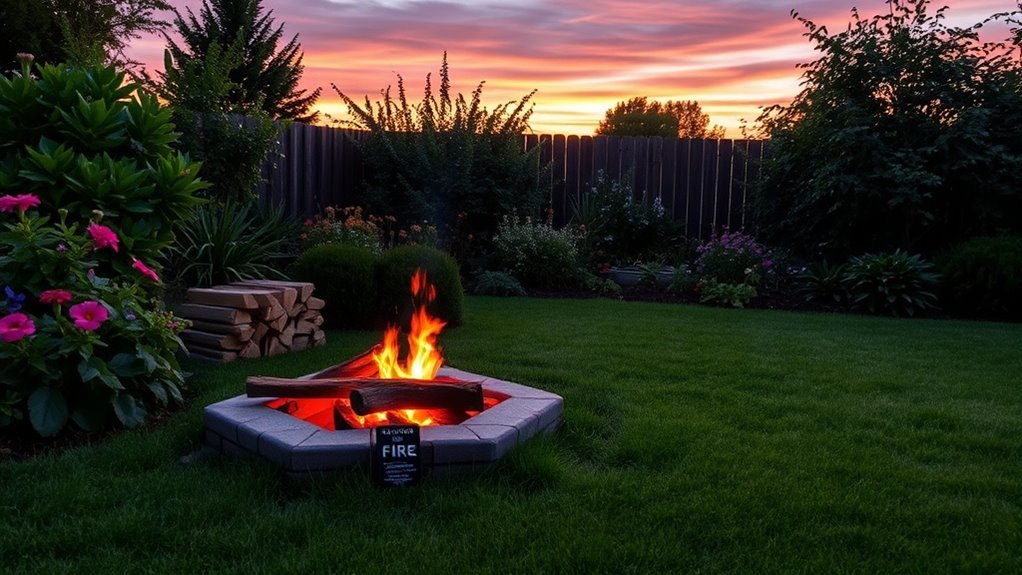
Where can you legally have a fire in your garden? Generally, you can have a fire on your private property, as long as it doesn’t break local laws or cause a nuisance. You’re allowed to light a fire in a fire pit, barbecue, or designated fire container.
However, you must guarantee it’s safe and controlled at all times. Avoid lighting fires near flammable materials or during windy conditions. Keep water or a fire extinguisher nearby just in case.
You’re responsible for making sure the smoke doesn’t disturb neighbors or endanger anyone. Remember, while garden fires are often legal, you can’t use them to burn waste or prohibited materials.
Always check your local regulations to confirm what’s allowed before lighting up.
What Local Rules Affect Garden Fires?
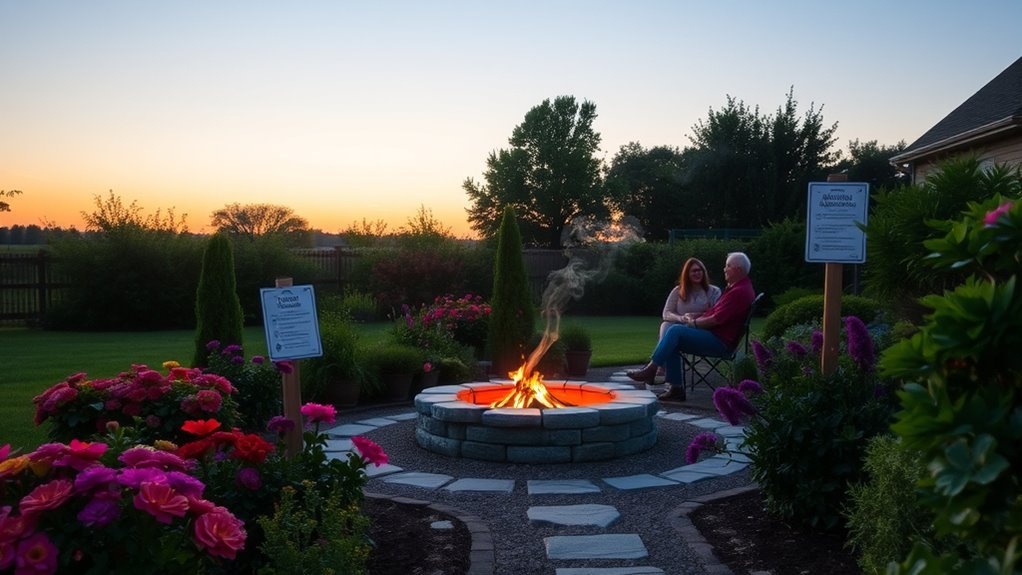
Although garden fires can be enjoyable and practical, local rules often set specific limits on when, where, and how you can light them. Your local council or fire authority usually sets these regulations to prevent accidents, reduce smoke nuisance, and protect air quality. You might need a permit, especially if you plan frequent or large fires.
Some areas restrict open fires during dry seasons or at certain times of day. You’re often required to keep fires a safe distance from buildings, fences, and trees.
Additionally, certain materials, like treated wood or plastics, are banned from burning due to toxic fumes.
Before starting a fire, check your local government’s website or contact them directly to understand the specific rules that apply to your garden. Following these guidelines keeps you safe and compliant.
How to Choose the Safest Spot for Your Garden Fire
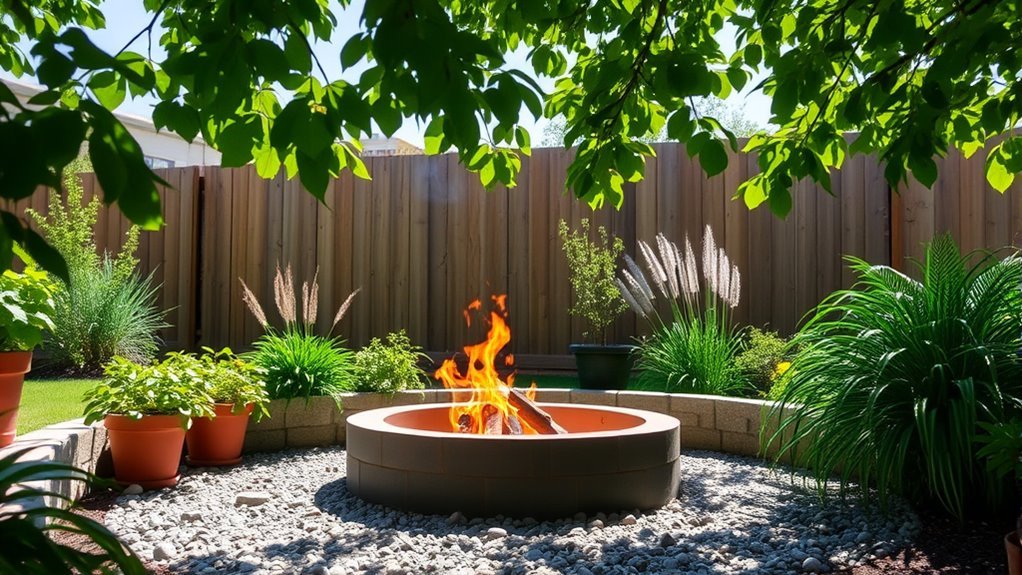
Because garden fires can pose risks if not placed correctly, you need to pick a spot that minimizes danger to your home and surroundings. Choose an open area away from buildings, fences, trees, and shrubs.
Keep the fire at least 10 feet from any structure or overhanging branches to prevent sparks from igniting nearby materials.
Avoid placing the fire on dry grass or leaves, as these can easily catch fire. Opt for a flat, non-flammable surface like gravel or bare soil to reduce the risk of spreading flames.
Also, consider wind direction; position the fire so smoke and embers won’t blow toward your house or neighbors.
What Equipment Do You Need for a Safe Garden Fire?
You’ll need the right equipment to keep your garden fire safe and controlled. This includes essential fire safety gear, a sturdy fire pit with proper tools, and protective barriers alongside extinguishers.
Having these items ready helps you manage the fire and prevent accidents.
Essential Fire Safety Gear
When planning a garden fire, having the right safety gear on hand is essential to prevent accidents and control flames quickly. First, keep a fire extinguisher rated for outdoor use nearby; it’s your best defense against unexpected flare-ups.
A bucket of water or a garden hose connected and ready to spray can douse flames instantly if needed.
Don’t forget a fire blanket—it’s perfect for smothering small fires or wrapping around someone in case of an emergency.
Wearing heat-resistant gloves protects your hands while handling hot objects or adjusting logs.
Finally, have a sturdy metal shovel or sand bucket ready to smother embers.
With this essential gear, you’ll be prepared to enjoy your garden fire safely and confidently.
Fire Pit and Tools
Having the right safety gear on hand is a great start, but choosing the proper fire pit and tools is just as important to keep your garden fire controlled and safe.
Select a fire pit made from non-flammable materials like metal or stone, with a sturdy base to prevent tipping.
A fire pit with a mesh screen helps contain sparks and embers, reducing the risk of spreading.
You’ll also want long-handled fire tools—such as a poker, tongs, and a shovel—to manage the fire easily and keep your distance.
Avoid using makeshift equipment that can break or conduct heat dangerously.
With the right fire pit and tools, you’ll maintain control and enjoy your garden fire worry-free.
Protective Barriers and Extinguishers
Although choosing the right fire pit and tools is essential, setting up protective barriers and having extinguishers nearby are crucial steps to keep your garden fire safe. You need to create a clear safety zone around your fire to prevent accidents and control sparks.
Make sure you have:
- A fire-resistant screen or spark guard to contain embers.
- Non-flammable barriers like bricks or stones surrounding the fire pit.
- Easily accessible extinguishing tools such as a garden hose, a bucket of sand, or a fire extinguisher.
These precautions help you act quickly if the fire spreads unexpectedly.
With the right protective barriers and extinguishers, you can enjoy your garden fire confidently, knowing you’re prepared for any situation.
How to Build and Maintain Your Garden Fire Safely
You’ll want to pick a safe spot away from structures and overhanging branches before setting up your fire pit.
Building your fire pit properly guarantees it contains flames and sparks effectively.
Once your fire’s going, keep a close eye on it and have a way to extinguish it quickly when you’re done.
Choosing Safe Fire Location
When setting up a fire in your garden, choosing the right location is essential to prevent accidents and damage. You want a spot that keeps the flames controlled and protects your surroundings. Start by picking an open area, away from overhanging branches or structures.
Make sure it’s not too close to flammable materials like wooden fences or dry leaves. Also, consider the wind direction to avoid sparks blowing toward your house or neighbors.
Here’s what to keep in mind:
- Place your fire at least 10 feet from buildings and trees
- Avoid areas with dry grass or leaves that can catch fire easily
- Choose a flat, stable surface to keep the fire pit steady and safe
Choosing wisely keeps your garden and everyone safe.
Proper Fire Pit Construction
Since a well-built fire pit controls flames and heat effectively, it’s essential to construct it properly for safety and durability. Start by choosing non-combustible materials like stone, brick, or metal. Avoid wood or plastic, which can catch fire.
Dig a shallow hole to contain the fire and line it with fire bricks for added protection. Guarantee the pit is at least 10 feet away from structures and overhanging branches.
Build walls about 12 to 24 inches high to prevent sparks from escaping.
Create a flat, stable base using gravel or sand to improve drainage and prevent shifting.
Finally, inspect your fire pit regularly for cracks or damage, and repair them promptly to maintain safety and structural integrity. This careful construction minimizes fire risks and keeps your garden safe.
Fire Maintenance And Extinguishing
How should you maintain your garden fire to keep it safe and enjoyable? Regular attention is key. Always clear away ash and debris after each use to prevent buildup, which can restrict airflow and cause uneven burning.
Keep your firewood dry and well-stacked to guarantee it burns efficiently and produces less smoke. When it’s time to extinguish your fire, do it thoroughly to avoid reignition.
Here’s how to maintain and safely put out your garden fire:
- Remove leftover ashes once cooled to maintain airflow.
- Use a bucket of water or a fire extinguisher to douse embers completely.
- Stir the ashes with a shovel to expose any hot spots before adding more water.
Following these steps keeps your fire safe and enjoyable every time.
How to Prevent Garden Fire Hazards
Although enjoying a fire in your garden can be relaxing, you need to take clear steps to prevent hazards that could lead to accidents. Keep your fire pit away from flammable materials like dry leaves and wooden fences. Always have a fire extinguisher or water source nearby.
Avoid lighting fires on windy days to prevent sparks from spreading.
| Action | Reason |
|---|---|
| Clear debris | Prevents unintended ignition |
| Keep water nearby | Quick response to flare-ups |
| Choose safe location | Minimizes risk of spread |
How to Extinguish Your Garden Fire Properly?
When should you put out your garden fire to guarantee safety? Always extinguish it before leaving your garden or going indoors. Leaving a fire unattended can lead to dangerous flare-ups.
To properly put out your garden fire:
- Douse the fire with plenty of water, stirring ashes to ensure all embers are soaked.
- Use a shovel or stick to spread out the ashes, helping heat dissipate faster.
- Check for any remaining heat by carefully hovering your hand above the ashes—no warmth means the fire is out.
Never bury the fire with soil alone, as embers can smolder and reignite.
Taking these steps will help you enjoy your garden fire responsibly and prevent accidental fires.
Frequently Asked Questions
Can I Use a Fire Pit Year-Round in My Garden?
Yes, you can use a fire pit year-round in your garden, but you’ll need to check local regulations, keep it well-maintained, and guarantee safety precautions, especially during wet or windy seasons to prevent accidents and damage.
What Types of Wood Are Best for Garden Fires?
You’ll want hardwoods like oak, maple, or hickory for your garden fires since they burn longer and produce less smoke.
Avoid softwoods like pine—they burn quickly and create more sparks, which can be unsafe.
Are Garden Fires Safe for Pets?
You’ll want to exercise extra caution with garden fires around your pets. They might find the warmth charming, but smoke and sparks can be unsettling or harmful, so keep them comfortably distant and always supervise closely.
Can Garden Fires Affect Nearby Plants?
Yes, garden fires can harm nearby plants by exposing them to heat, smoke, and ash, which may cause leaf damage or stunt growth.
You should keep fires well-contained and away from delicate plants to protect them.
How Do Weather Conditions Impact Garden Fire Safety?
You should avoid lighting fires on windy or dry days because they can spread quickly and get out of control.
Calm, damp weather reduces risk, so always check conditions before starting a garden fire.
Conclusion
You can enjoy a garden fire safely if you follow local rules and take proper precautions. Think of your fire like a trusted friend—it needs careful handling and respect to keep everyone safe. Choose the right spot, use the right equipment, and always keep water or an extinguisher nearby.
By staying alert and responsible, you’ll create warm, memorable moments without worry. Remember, safety keeps the fun glowing bright, not burning out. Following these safety tips ensures you can have a fire in your garden safely and enjoy every cozy moment.