7 Key Factors That Determine How Much a Square Metre of Garden Land Is Worth
When figuring out how much a square metre of garden land is worth, it’s important to consider seven key factors that influence its value. Location and accessibility boost value by offering convenience and amenities. Local demand and market trends drive prices up or down.
Soil quality affects plant health, while land size and shape influence usability. Zoning rules determine what you can do with the land. Seasonal and economic shifts also play a role.
Explore these details to make smarter land decisions and get the best value for your garden land investment.
How Location Influences Garden Land Prices
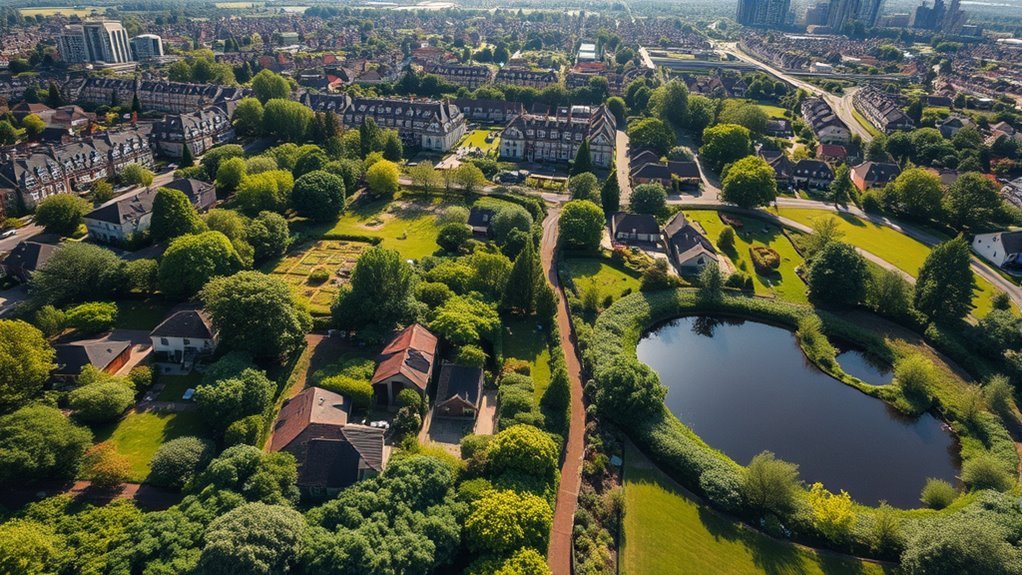
Because location shapes demand and accessibility, it plays a crucial role in determining garden land prices. When you choose garden land closer to urban centers, you’ll likely pay more since it’s easier to access amenities like shops, schools, and public transport.
Proximity to parks, lakes, or scenic views also boosts value, as you’d typically prefer a beautiful setting for your garden. On the other hand, land in remote or less developed areas tends to cost less because it’s harder to reach and may lack infrastructure.
Additionally, consider the neighborhood’s safety and future development plans—these factors impact how much you’re willing to invest.
Ultimately, where the garden land sits directly affects its price by influencing convenience, desirability, and potential growth.
How Local Demand Shapes Garden Land Values
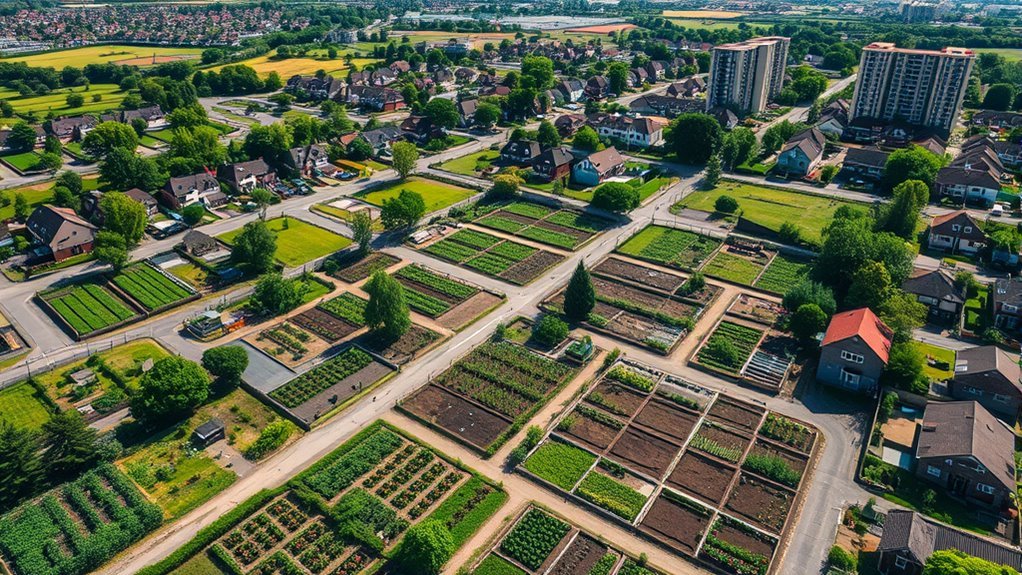
Location sets the stage for garden land prices, but local demand often drives them up or down. You’ll find that when many people want garden spaces nearby, prices climb.
Here’s what influences that demand:
- Population growth – More residents mean more buyers competing for garden land.
- Trend shifts – If gardening or outdoor living becomes popular, demand rises.
- Community vibe – A friendly, active neighborhood attracts buyers wanting garden space.
- Local amenities – Nearby parks, schools, or markets make garden land more desirable.
When demand spikes, sellers can ask for higher prices, and you’ll notice quicker sales.
On the flip side, if fewer people want garden land in your area, values may dip.
Understanding these demand factors helps you gauge your garden land’s true worth.
Why Accessibility and Infrastructure Matter for Garden Land
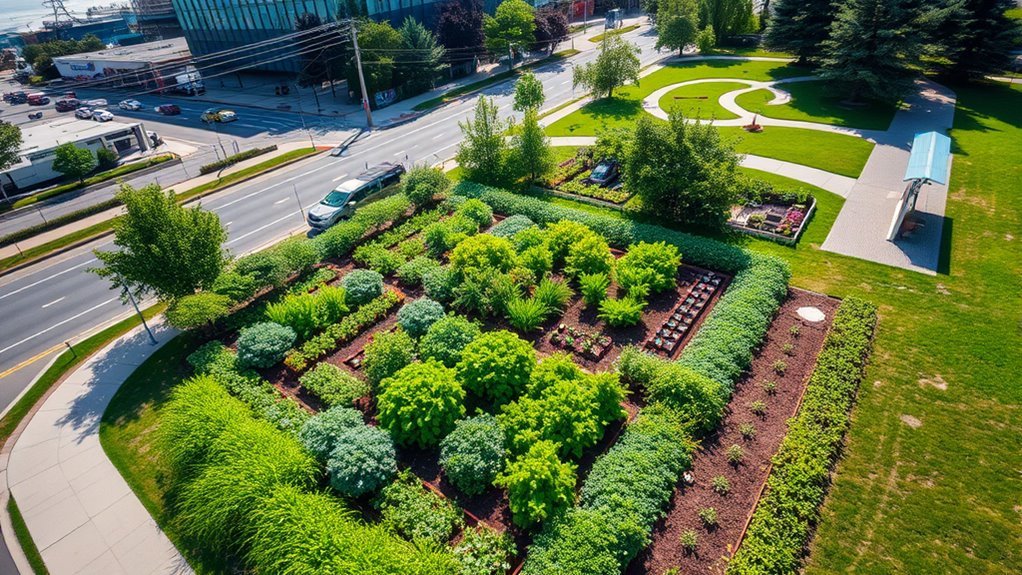
You’ll find garden land closer to main roads is easier to access, which boosts its value.
When utilities like water and electricity are readily available, the land becomes more practical for use.
These factors directly affect how much you can expect to pay per square metre.
Proximity to Main Roads
When garden land sits close to main roads, it becomes much easier for you to access essential services and transport links. This proximity directly impacts the land’s value by improving convenience and connectivity. Here’s why it matters:
- Faster Commutes – You save time traveling to work, school, or shops.
- Better Public Transport – Main roads often have bus routes or other transit options nearby.
- Increased Visibility – Easier for potential buyers or visitors to find the property.
- Improved Emergency Access – First responders can reach the land more quickly if needed.
Availability of Utilities
Although garden land might seem appealing on its own, its value substantially increases when you have easy access to essential utilities like water, electricity, and sewage systems. These utilities make the land functional and more convenient for gardening, irrigation, and even building small structures.
Without them, you’d face extra costs and challenges setting up basic infrastructure.
When utilities are readily available, you save time and money, making the land more attractive to buyers or tenants. Plus, having electricity and water connections enhances your ability to maintain plants and use equipment efficiently.
Why Soil Quality Impacts Garden Land Prices
You’ll want to take into account soil quality because nutrient content directly affects what you can grow. Good drainage and water retention keep plants healthy without extra work on your part.
Plus, soil pH influences how well your garden thrives, which impacts the land’s value.
Nutrient Content Importance
Since nutrient-rich soil directly boosts plant growth and yield, it plays an essential role in determining garden land prices. When you’re evaluating garden land, the nutrient content affects how productive and healthy your plants will be, influencing the land’s value.
Here’s why it matters:
- Higher crop yields – Nutrient-rich soil supports better growth, increasing food production.
- Reduced need for fertilizers – You save money and effort when the soil naturally supplies essential nutrients.
- Improved plant health – Healthy plants resist pests and diseases, reducing maintenance costs.
- Sustainable gardening – Rich soil promotes long-term fertility, making the land more valuable over time.
Understanding nutrient content helps you assess if a garden plot will meet your gardening goals and investment expectations.
Drainage and Water Retention
When soil drains well but also retains enough moisture, your plants get the balance they need to thrive. If water pools on the surface or drains too quickly, roots can either drown or dry out, stressing your garden and reducing its productivity.
Good drainage prevents waterlogging, which can damage roots and invite disease. Meanwhile, proper water retention ensures plants have steady access to moisture during dry spells without constant watering.
This balance directly influences the value of garden land because it affects how easily you can grow healthy plants and maintain the soil’s essential qualities.
Soil pH Effects
How does soil pH affect the value of garden land? Soil pH directly influences plant health and productivity, making it a vital factor in garden land pricing. When you evaluate garden land, consider these key points:
- Optimal pH Range: Most plants thrive in pH 6-7. Land within this range is more valuable due to better growth potential.
- Nutrient Availability: pH affects nutrient absorption; extreme acidity or alkalinity limits nutrients, reducing soil fertility.
- Crop Suitability: Certain plants require specific pH levels; land matching these needs commands higher prices.
- Soil Amendments Cost: If pH is off, you’ll spend more on lime or sulfur to adjust it, lowering the land’s market value.
Understanding soil pH helps you gauge garden land’s true worth and potential.
How Land Size and Shape Affect Garden Land Value
Although garden land size is a straightforward factor, its impact on value can vary depending on how the space is shaped. You’ll find that larger plots generally have more value per square metre, but oddly shaped or narrow plots might limit usability, reducing their worth.
When evaluating value, consider both total area and shape efficiency.
| Land Size (sqm) | Shape Type | Value Impact |
|---|---|---|
| 100-300 | Regular | Moderate |
| 100-300 | Irregular | Lower |
| 300+ | Regular | Higher |
| 300+ | Irregular | Moderate to High |
How Zoning Rules Influence Garden Land Prices
Why do zoning rules matter so much for garden land prices? Because they directly control what you can do with the land, affecting its value and appeal. When zoning rules are strict, you might face limits on building structures or using the garden for commercial purposes, which can lower the price per square metre.
Zoning rules shape what’s possible on garden land, directly influencing its value and price per square metre.
Conversely, flexible zoning can boost land value by offering more options.
Here’s how zoning rules influence garden land prices:
- Permitted land use – Residential, commercial, or recreational zoning impacts demand.
- Building restrictions – Limits on height, size, or type of structures affect usability.
- Subdivision possibilities – Ability to split land can increase overall value.
- Environmental regulations – Protected areas or green belts reduce developable land.
Understanding these helps you gauge the true worth of garden land.
How Seasonal and Market Trends Affect Garden Land Value
Because garden land is closely tied to outdoor activities and landscaping, its value often shifts with the seasons and broader market trends. You’ll notice prices usually rise in spring and early summer when demand for outdoor spaces peaks.
Conversely, values can dip in colder months as interest wanes.
Market trends, like a surge in home gardening or environmental awareness, can also drive up demand, increasing land value.
Economic factors such as interest rates and property market fluctuations further influence prices.
If you’re planning to buy or sell garden land, timing your move around these trends can make a significant difference.
Staying informed about seasonal patterns and market shifts helps you make smarter decisions and maximize the return on your investment.
Frequently Asked Questions
How Do Property Taxes Affect Garden Land Prices?
Property taxes directly affect garden land prices because you’ll factor them into your costs. Higher taxes can lower demand, making prices drop, while lower taxes make land more attractive, often driving prices up as more buyers show interest.
Can Historical Land Use Impact Garden Land Value?
Like a footprint in wet clay, historical land use shapes garden land value by revealing past activities and potential contamination. You’ll find it influences desirability, zoning, and development possibilities, directly affecting how much you can pay or sell for.
Understanding these past uses helps buyers and sellers assess risks and opportunities. For instance, former industrial sites might require costly cleanup, while previous agricultural use could enhance soil quality. This background knowledge plays a crucial role in property valuation and decision-making.
Do Environmental Restrictions Influence Garden Land Cost?
Yes, environmental restrictions directly impact garden land cost by limiting what you can do with the land. These rules can reduce development potential, making the land less valuable to buyers looking for flexibility or specific uses.
How Does the Presence of Utilities Affect Garden Land Price?
You’ll find garden land with utilities like water, electricity, and sewage costs more because it’s ready to use. Without these, you’d face extra expenses and hassle, which lowers the land’s overall value for you.
What Role Does Land Ownership Type Play in Garden Land Value?
Your garden land’s value changes with ownership type; freehold gives you full control and boosts worth, while leasehold limits your rights, often lowering price.
Knowing this helps you negotiate smarter and plan better.
Conclusion
So, you’ve learned that garden land value hinges on location, demand, soil, and even zoning rules—because apparently, dirt isn’t just dirt. You might think a patch of earth is priceless, but turns out, it’s a complex cocktail of factors deciding the price per square metre. Who knew your dream garden spot had such a complicated résumé?
Now, armed with this knowledge, you’re ready to navigate the surprisingly intricate world of garden land prices. Understanding these key factors helps you make informed decisions when evaluating the value of garden land per square metre. Whether it’s location or soil quality, each element plays a vital role in determining garden land value.