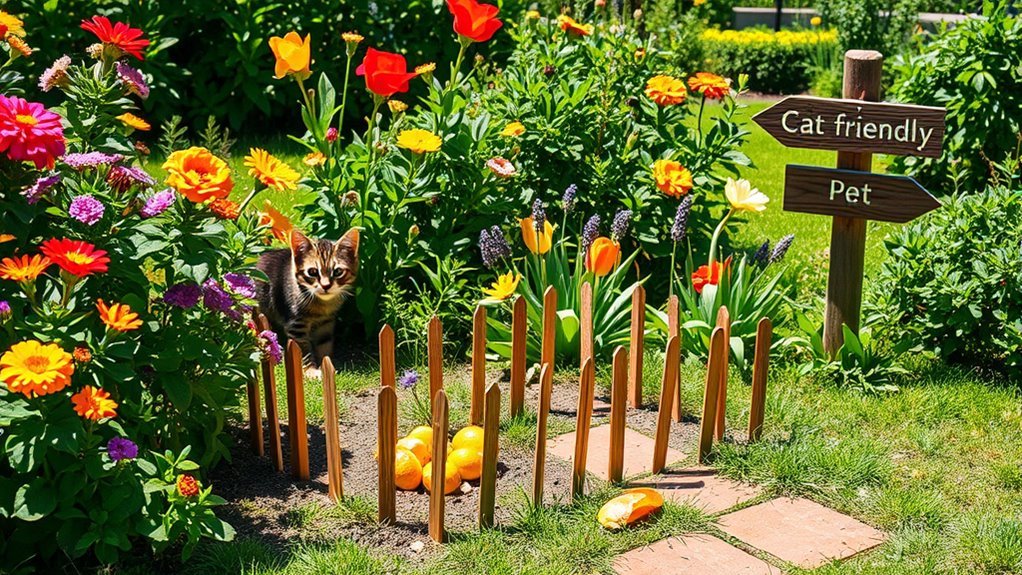
10 Tips to Stop Cats Pooping in Your Garden
To stop cats from pooping in your garden, start by removing attractants like food scraps and fallen fruit. Using natural repellents such as lavender or vinegar sprays can also help keep cats away. Planting cat-repelling herbs is another effective method to protect your garden.
Create unpleasant surfaces for cats by spreading coarse mulch or laying down chicken wire. Installing tall fences or netting acts as a physical barrier to prevent access.
Providing a designated litter spot can redirect cats from your garden. Additionally, working with neighbors to manage stray cats will improve results. Keep up these steps consistently, and you’ll find effective ways to protect your garden from unwanted visitors.
Remove Attractants: Keep Your Garden Clean and Cat-Free
Although cats are naturally curious, you can discourage them by removing attractants from your garden. Start by clearing away any food scraps, fallen fruit, or birdseed that might lure them in. Keep your compost bins tightly covered and avoid leaving pet food outside.
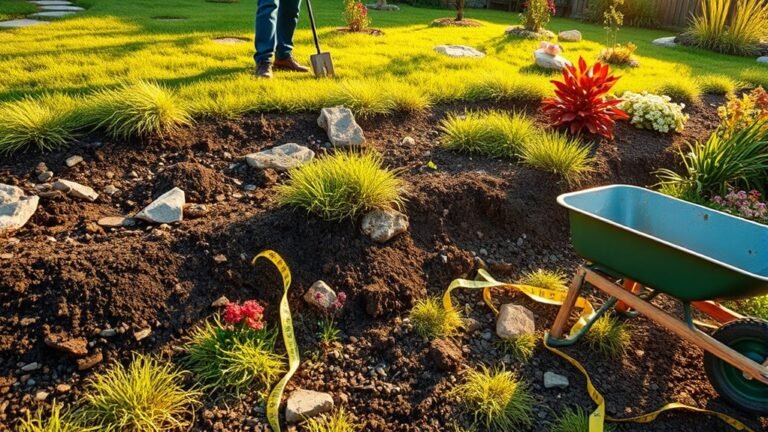
Cats also love soft, loose soil for digging, so regularly rake your garden beds to make them less inviting.
Trim dense shrubs and ground cover where cats might hide or rest.
If you have a sandbox or sandpit, cover it when not in use to prevent cats from using it as a litter box.
By maintaining a clean, tidy garden and eliminating appealing spots, you reduce the chances that cats will choose your yard as their bathroom.
Taking these steps creates a less hospitable environment for them.
Use Natural Repellents to Stop Cats From Pooping
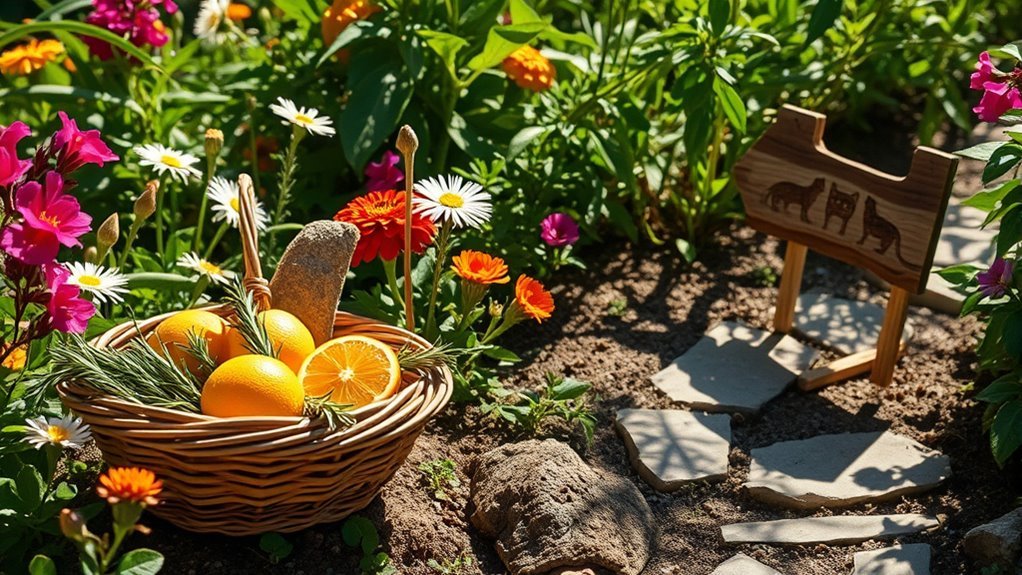
You can keep cats away by using natural repellents like certain plants or homemade sprays. Plants such as lavender, rosemary, and rue are known to repel cats effectively.
Try mixing vinegar or citrus oils with water for a simple spray that discourages them from pooping in your garden.
Effective Plant-Based Repellents
When cats frequent your garden, planting certain herbs and flowers can help discourage them naturally. Cats dislike the strong scents of plants like lavender, rosemary, and rue, so including these in your garden borders can keep them away.
You might also try planting Coleus canina, often called “scaredy-cat plant,” which emits an odor cats find unpleasant.
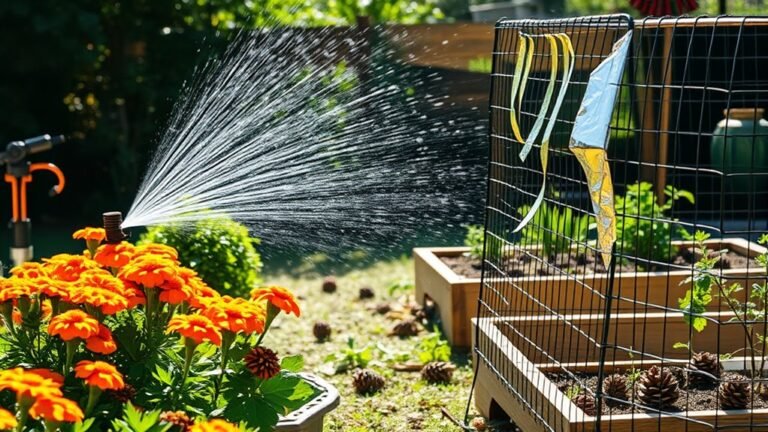
Additionally, placing thorny or prickly plants like lavender or thorny roses around vulnerable areas creates a physical barrier cats avoid. Marigolds are another great choice, as their scent deters cats while brightening your garden.
DIY Natural Spray Solutions
Since cats rely heavily on their sense of smell, using DIY natural spray solutions can effectively deter them from pooping in your garden.
You can make a simple spray by mixing water with strong-smelling ingredients like citrus peels, vinegar, or essential oils such as eucalyptus or lavender.
Spray this mixture around your garden’s perimeter or on areas where cats frequently visit.
Reapply the spray every few days, especially after rain, to maintain its effectiveness.
These natural repellents are safe for your plants and pets, unlike harsh chemicals.
Plus, they’re easy and affordable to prepare at home.
Plant Herbs and Flowers That Repel Cats
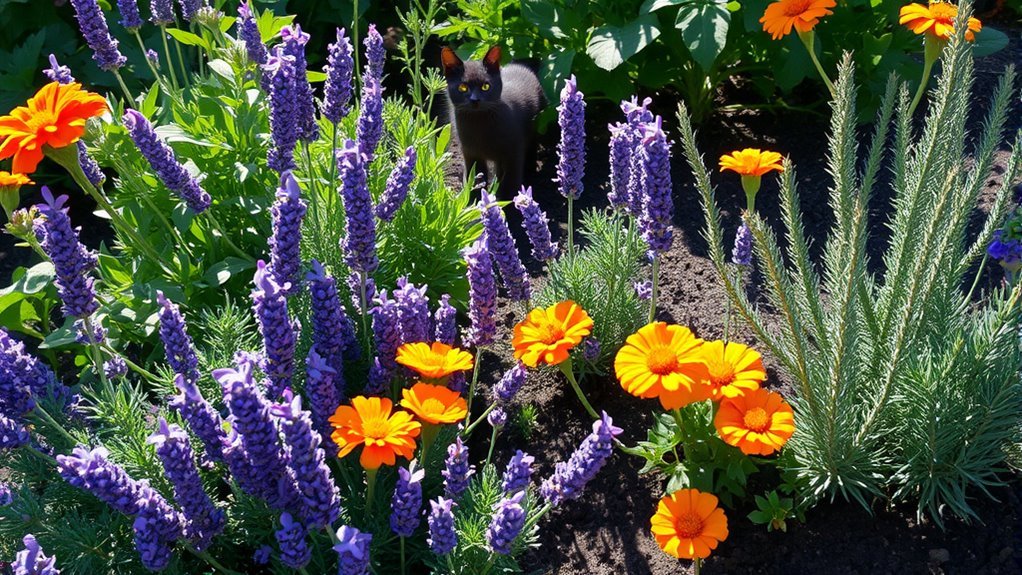
You can keep cats away by planting herbs and flowers they dislike, like lavender, rosemary, and rue. These plants release scents that naturally deter cats from entering your garden.
Place them strategically around problem areas to create an effective barrier.
Best Cat-Repelling Plants
Although cats are curious creatures, certain plants naturally discourage them from entering your garden. By planting these cat-repelling herbs and flowers, you can protect your garden without harming the animals. They dislike strong scents and textures, which these plants provide.
Here’s a quick guide to some of the best cat-repelling plants:
| Plant Name | Why It Works |
|---|---|
| Lavender | Strong fragrance cats avoid |
| Rosemary | Woody scent, repels cats |
| Coleus Canina | Emits odor cats find unpleasant |
| Rue | Bitter smell deters cats |
| Pennyroyal | Minty scent cats dislike |
Planting these around your garden’s perimeter or near favored spots will help keep cats away naturally and beautifully.
How Herbs Deter Cats
When you plant certain herbs and flowers, their natural scents and textures act as effective deterrents to keep cats from invading your garden. Herbs like lavender, rosemary, and rue release strong aromas that cats find unpleasant, encouraging them to stay away.
Similarly, plants such as coleus canina, often called “scaredy cat plant,” emit a smell that cats dislike. You can also try planting thorny or rough-textured herbs, like lavender, which make the area uncomfortable for cats to walk or dig in.
Planting Tips For Repellents
Building on the power of herbs and flowers, planting them thoughtfully can boost their ability to keep cats at bay. Start by grouping cat-repellent plants like lavender, rue, and rosemary near garden borders or spots where cats frequent. These plants release scents cats dislike, creating natural barriers.
Mix in cat-repellent flowers such as marigolds and pennyroyal to add color while deterring unwanted visitors. Make sure you plant densely to limit open soil areas, which cats target for digging.
Regularly trim and maintain these plants to keep their scents strong and effective.
You can also intersperse herbs with mulch or stones to discourage cats further. By strategically placing and caring for these plants, you create a garden that’s both beautiful and uninviting to cats.
Create Unpleasant Surfaces With Mulch and Chicken Wire
Since cats prefer soft, loose soil for their bathroom breaks, you can deter them by placing rough or uncomfortable materials in your garden. Mulch and chicken wire work great to create surfaces cats avoid.
Here’s how to do it effectively:
- Spread coarse mulch like pine cones, bark chips, or thorny branches to make digging uncomfortable.
- Lay chicken wire flat on the soil, securing it with garden staples to prevent cats from walking or digging.
- Combine mulch and chicken wire for extra deterrence—cats dislike walking on unstable or prickly grounds.
- Regularly check and adjust materials to maintain coverage, especially after rain or wind.
Install Physical Barriers to Protect Your Garden
You can keep cats out by installing physical barriers around your garden. Consider using effective fence options or laying netting and mesh to block their access.
These simple additions can make your garden off-limits without harming the cats.
Effective Fence Options
Although cats are agile climbers, installing a well-designed fence can considerably reduce their access to your garden. You want a barrier that’s both sturdy and difficult for cats to scale or squeeze through.
Here are four effective fence options to evaluate:
- Tall wooden fences – Aim for at least 6 feet high with no footholds.
- Slanted fences – Angled outward at the top, making climbing tricky.
- Smooth metal or vinyl panels – These offer no grip or texture for climbing.
- Fence toppers – Add roller bars or angled extensions to prevent cats from perching.
Using Netting And Mesh
Several types of netting and mesh can effectively block cats from entering your garden while allowing sunlight and water through. You can install plastic or metal mesh over flower beds and soil patches where cats tend to dig. Secure the edges firmly into the ground to prevent cats from slipping underneath.
Raised netting, supported by stakes, creates a barrier that’s uncomfortable for cats to walk on. Make sure the mesh holes are small enough to keep cats out but large enough to let rainwater nourish your plants. Regularly check for any gaps or damage and repair them promptly.
Using netting and mesh is a practical, chemical-free way to protect your garden without harming cats, giving you peace of mind and preserving your plants.
Set Up Motion-Activated Sprinklers or Lights
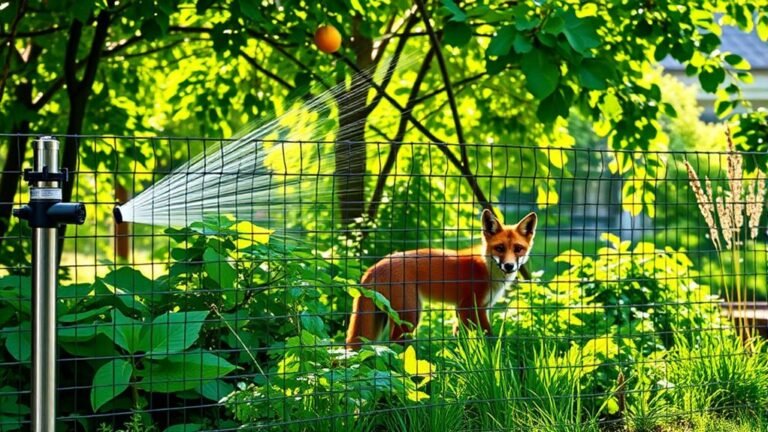
When a cat wanders into your garden, sudden bursts of water or light can startle it enough to keep it away. Motion-activated sprinklers and lights are effective, humane deterrents.
Here’s how to set them up for best results:
- Choose the right device: Pick a sprinkler or light with adjustable sensitivity and range to suit your garden size.
- Position strategically: Place devices near common entry points or favorite cat spots to maximize coverage.
- Test and adjust: Activate the device to ensure it triggers properly without causing unnecessary disturbances.
- Maintain regularly: Keep sensors clean and check batteries to guarantee continuous operation.
Try Safe Commercial Cat Repellent Sprays
If you want a quick and effective way to keep cats out of your garden, safe commercial cat repellent sprays can do the trick. These sprays use natural ingredients that cats find unpleasant, deterring them without causing harm. You just spray the affected area regularly, especially after rain.
Look for products labeled non-toxic and environmentally friendly to protect your plants and pets.
Here’s a quick comparison of common spray types:
| Spray Type | Effectiveness |
|---|---|
| Citrus-based | Strong scent cats dislike |
| Herbal (e.g., lavender) | Mild, pleasant for humans |
| Synthetic pheromones | Blocks cat territorial marking |
| Vinegar-based | Sharp smell, needs frequent reapplication |
Choose one that suits your garden’s needs and follow instructions carefully for best results.
Provide a Designated Litter Area for Your Cats
Although cats instinctively seek out spots to relieve themselves, providing a designated litter area in your garden can redirect their behavior away from your plants. You’ll help your cats feel comfortable while protecting your garden.
Here’s how to set one up effectively:
- Choose a quiet, shaded corner of your garden to place the litter area.
- Use sand or fine soil as the base, mimicking natural digging spots cats prefer.
- Keep the litter area clean by scooping waste daily and revitalizing the soil regularly.
- Encourage your cats to use this spot by placing familiar scents, like their own bedding, nearby.
Coordinate With Neighbors to Reduce Stray Cats
Since stray cats often roam across multiple properties, coordinating with your neighbors can markedly reduce their presence in your garden. Talk to them about the issue and see if they’re experiencing similar problems.
Agree on a shared approach, like removing food sources or securing trash bins, to make your area less attractive to strays.
You might also consider working together to contact local animal control or rescue groups for help with trapping and neutering programs.
By combining efforts, you can manage the stray cat population more effectively than working alone.
Plus, neighbors can keep an eye out and alert each other if stray cats return.
This teamwork helps create a cat-free zone, protecting your garden from unwanted visitors.
Train Your Pets to Stay Out of the Garden
When you train your pets to stay out of the garden, you protect both your plants and your furry friends from potential harm.
Here’s how you can effectively keep them away:
- Use clear boundaries, like low fencing or garden netting, to signal off-limits areas.
- Employ consistent verbal commands, such as “stay” or “no,” whenever they approach the garden.
- Offer alternative outdoor spaces with toys or a pet-safe digging area to redirect their attention.
- Reward good behavior with treats and praise to reinforce staying out of the garden.
Frequently Asked Questions
Can Diet Changes Reduce My Cat’s Outdoor Bathroom Habits?
Diet changes alone won’t stop your cat from pooping outside, but feeding them more wet food and ensuring they’re well-hydrated can reduce their urge to roam.
You’ll need other strategies to fully control outdoor bathroom habits.
Are There Health Risks to Cats From Garden Repellents?
Yes, some garden repellents contain chemicals that can irritate your cat’s skin, eyes, or digestive system.
You should choose pet-safe options and avoid substances like insecticides or strong essential oils to keep your cat healthy.
How Long Does It Take for Repellents to Work Effectively?
Repellents usually take a few days to a week to work effectively, like dawn breaking after a long night.
Stay consistent, and soon your garden will feel like a sanctuary, free from unwelcome visitors.
Can Indoor Cats Develop Garden Pooping Behaviors?
Yes, indoor cats can develop garden pooping behaviors if they’re allowed outside or if they notice outdoor litter spots.
You’ll want to monitor their habits and provide indoor alternatives to discourage this behavior effectively.
What Are Signs My Cat Is Stressed by Garden Deterrents?
You’ll notice your cat hiding, avoiding the garden, or acting restless. They might vocalize more or scratch furniture.
If your cat seems anxious or changes eating habits, it’s a sign the deterrents are stressing them out.
Conclusion
By taking these gentle steps, you can encourage your garden to remain a sanctuary free from unwanted “surprises.” With a little patience and care, you’ll create an inviting space where both you and your feline visitors can coexist peacefully—without any messy interruptions.
Remember, subtle changes and understanding go a long way in keeping your garden fresh and welcoming. Implementing effective tips to stop cats pooping in your garden will help you maintain a clean and enjoyable outdoor area.
With these simple strategies, you can enjoy every corner of your garden without worry or frustration, making it a pleasant space for everyone involved.