10 Reasons Why Tea Leaves Are Good for Your Garden
You can boost your garden’s health by using tea leaves, which are fantastic for improving soil structure and moisture retention. They’re especially great for balancing pH levels in acid-loving plants like azaleas.
Plus, tea leaves add valuable nutrients that your plants will love. They also speed up composting and attract earthworms, which naturally enhance soil health.
And here’s a bonus: tea leaves help deter pests without the need for harsh chemicals. Some plants thrive with tea leaves, while others might not, so it’s good to know which ones benefit the most.
Applying tea leaves is super easy too, with simple methods that fit right into your gardening routine.
So, why not explore these benefits and give your garden a natural boost? You might be surprised at how much your plants enjoy the extra care.
Key Takeaways
- Tea leaves improve soil structure and help the soil hold moisture better. They also promote beneficial earthworm activity, which is great for healthier garden soil.
- Plus, they provide essential nutrients like nitrogen, phosphorus, and potassium. These nutrients support steady plant growth and enrich your compost pile.
- The organic acids in tea leaves can lower soil pH. This is especially good for acid-loving plants and helps make nutrients more available.
- Tea leaves can even act as a natural pest deterrent. That means you can rely less on synthetic pesticides in your garden.
- You can use tea leaves in several ways. Apply them directly to your soil, add them to compost, or brew them into a liquid fertilizer for versatile garden care.
Why Use Tea Leaves in Your Garden?
Using tea leaves in your garden can boost plant health in several powerful ways. When you scatter tea leaves around your plants, you naturally improve soil structure and moisture retention. This helps roots breathe and reduces how often you need to water.
Tea leaves are especially great for acid-loving plants like blueberries and azaleas. They help lower soil pH, creating an ideal environment for these plants to thrive.
Tea leaves lower soil pH, perfect for acid-loving plants like blueberries and azaleas.
Adding tea leaves to your compost speeds up decomposition. It enriches the compost with beneficial microbes that enhance its quality.
Plus, tea leaves act as a natural pest deterrent. They keep annoying insects like aphids and slugs at bay without using chemicals.
How Tea Leaves Enrich Garden Soil Nutrients
Although often overlooked, tea leaves provide a rich source of essential nutrients like nitrogen, phosphorus, and potassium that directly boost your garden soil’s fertility. When you add tea leaves to your compost pile, they break down quickly, releasing these nutrients gradually and feeding your plants over time.
This slow nutrient release guarantees your soil stays healthy and supports steady plant growth. Plus, tea leaves improve soil structure by increasing aeration and water retention, which helps roots thrive.
Incorporating tea leaves into your compost pile also accelerates decomposition, resulting in nutrient-rich compost packed with beneficial microorganisms. By using tea leaves in your garden, you’re enriching the soil naturally, promoting healthier, more resilient plants without relying on synthetic fertilizers.
Why Tea Leaves Help Balance Soil pH
Because tea leaves naturally contain acidic compounds, they help lower the soil pH, making your garden more suitable for acid-loving plants like blueberries and azaleas. When you add tea leaves to your soil, you’ll notice how plants benefit from a balanced environment.
Here’s why tea leaves work so well:
- Tea leaves contain organic acids that gently reduce soil pH over time.
- They prevent soil from becoming overly alkaline, ensuring nutrient availability.
- The slow decomposition releases nutrients steadily, maintaining consistent acidity.
- Balanced pH supports beneficial microorganisms, enhancing soil health.
How Tea Leaves Improve Soil Structure and Moisture
You’ll notice that adding tea leaves to your garden soil helps improve aeration by breaking up compacted dirt, making it easier for roots to grow.
At the same time, tea leaves boost the soil’s ability to retain water, keeping moisture levels steady. This combination creates a healthier environment for your plants to thrive.
Enhancing Soil Aeration
Three key ways tea leaves enhance soil aeration include improving soil structure, supporting beneficial microorganisms, and attracting earthworms. When you add tea leaves to your garden, you introduce organic materials that break down slowly, enriching the soil structure.
This creates tiny air pockets, letting roots breathe and grow. Tea leaves also encourage beneficial microorganisms, which further loosen the soil and improve aeration.
Additionally, used tea leaves attract earthworms, natural aerators that tunnel through soil, enhancing its texture.
Here’s how tea leaves boost soil aeration:
- Increase organic materials, improving soil structure
- Support beneficial microorganisms that loosen soil
- Attract earthworms that aerate through burrowing
- Gradually release nutrients, sustaining soil health
Using tea leaves helps create a healthier, more breathable soil environment for your plants. It’s a simple way to give your garden a little extra love!
Boosting Water Retention
While tea leaves improve soil aeration, they also play a crucial role in boosting water retention. When you mix tea leaves into your garden soil, they add valuable organic matter that enhances its structure, allowing the soil to hold moisture more effectively.
This improved moisture retention means your plants get a consistent water supply, even during dry spells. So, you end up reducing how often you need to water.
Plus, tea leaves help minimize water runoff and soil erosion, keeping your garden soil intact and healthy. By supporting a balanced soil ecosystem, tea leaves promote stronger root growth and overall plant health.
Using Tea Leaves to Repel Garden Pests Naturally
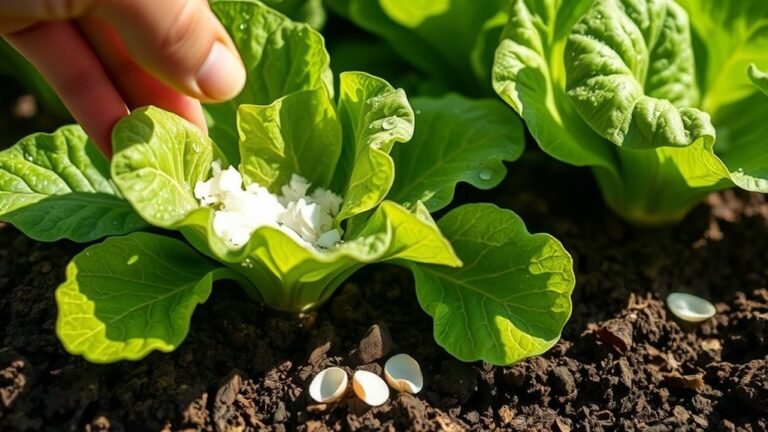
Sprinkle used tea leaves around your plants to create a natural barrier that keeps pests like aphids and slugs at bay. This simple step turns kitchen waste into a powerful pest deterrent, reducing your reliance on chemicals.
Here’s how used tea leaves help your garden:
- They contain natural compounds that repel common pests.
- The nitrogen-rich leaves feed plants and boost beneficial microbial activity in the soil.
- Creating a mulch layer with tea leaves blocks sunlight, discouraging weed growth and hiding places for insects.
- They promote a healthier ecosystem, supporting predators that control pest populations naturally.
How Tea Leaves Speed Up and Improve Compost
Adding used tea leaves to your compost pile can really speed up decomposition and improve the final nutrient quality. Used tea leaves are packed with nitrogen—about 4.4% content—which boosts microbial activity that’s essential for faster composting.
When you mix them into your compost, they help balance the carbon-to-nitrogen ratio, which is a key factor for effective breakdown. This balance encourages beneficial microorganisms to thrive, letting organic material decompose in as little as 2 to 4 weeks under warm conditions.
Plus, used tea leaves add valuable organic matter, enriching your compost’s nutrient profile. For easier composting, try using loose-leaf tea instead of tea bags since it integrates smoothly without extra prep.
How Tea Leaves Attract Earthworms and Boost Soil Health
You can use tea leaves to attract earthworms by providing them with a nutrient-rich food source that helps boost their population. As earthworms thrive, they improve soil aeration and nutrient cycling, which enhances soil health.
This natural process makes your garden soil more fertile and better for plant growth. Plus, it’s an easy and eco-friendly way to give your soil a little extra love!
Earthworm Attraction Benefits
Because tea leaves are rich in nitrogen, they naturally attract earthworms by providing essential nutrients that boost their activity in your garden soil. This earthworm attraction helps improve soil in several key ways:
- Tea leaves add organic matter, enhancing soil structure for earthworms to thrive.
- Earthworms aerate the soil, improving drainage and nutrient distribution.
- The moisture retention from tea leaves keeps the soil damp, ideal for earthworm habitation.
- Increased earthworm activity accelerates nutrient cycling, supporting plant growth.
Soil Health Improvement
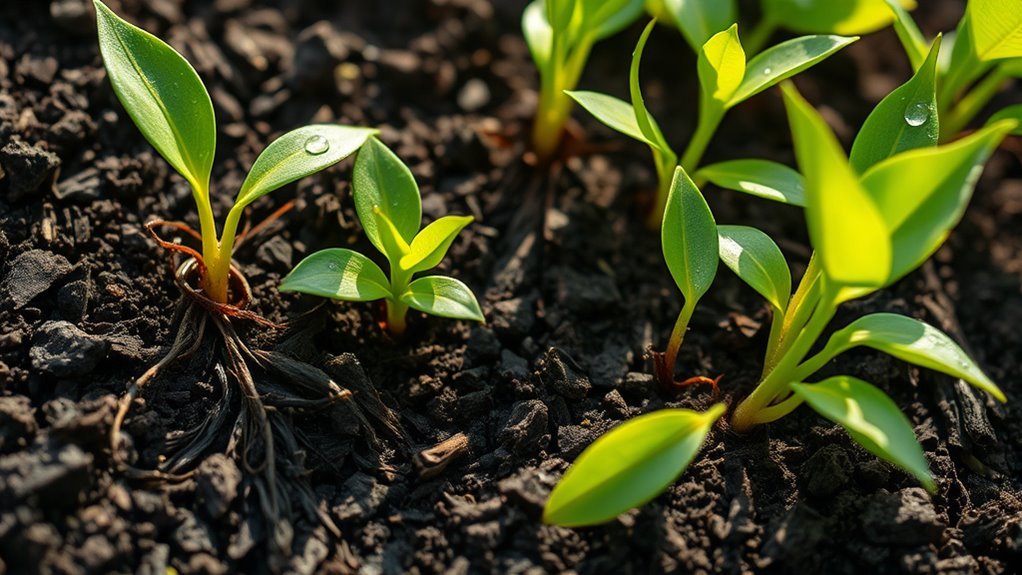
When tea leaves break down in your garden, they attract earthworms by providing rich organic matter that fuels their activity. These earthworms aerate the soil through their burrowing, improving soil structure and drainage.
As they consume the decomposing tea leaves, they boost nutrient cycling, making essential nutrients more accessible to your plants. Adding tea leaves to your compost enriches it with beneficial microorganisms that support a thriving soil ecosystem.
This healthier soil environment retains moisture better, promoting robust root growth. By incorporating tea leaves into your garden soil or compost, you naturally enhance its fertility and structure.
It’s a simple step that creates a sustainable cycle, encouraging earthworm populations and improving overall soil health. This gives your garden a strong foundation for healthy, vibrant plants.
Save Money and Help the Planet With Tea Leaves
Although many people discard used tea leaves without a second thought, repurposing them in your garden can save you money and benefit the environment.
Repurposing used tea leaves in your garden saves money and supports the environment.
Here’s how incorporating tea leaves into your gardening routine helps:
- Add tea leaves to your compost bin to reduce kitchen waste and lower disposal costs.
- Use tea leaves as a natural fertilizer, cutting down on expensive commercial products and helping you save money.
- Improve soil moisture retention with tea leaves, so you’ll water less and reduce your water bill.
- Support sustainable gardening by minimizing food waste, which helps combat climate change and promotes healthier ecosystems.
It’s a simple way to make your gardening more eco-friendly and budget-friendly at the same time!
Which Plants Thrive With Tea Leaves and Which Don’T?
Since tea leaves alter soil acidity and nutrient levels, not all plants benefit equally from their use. You’ll find that blueberry bushes thrive with tea leaves because they prefer acidic soil, which tea leaves help create.
Roses also flourish, as the nitrogen and tannins in tea leaves boost blooming and overall vigor. Azaleas and rhododendrons enjoy the slow nitrogen release, supporting vibrant flowers and robust growth.
However, plants like lavender and succulents don’t do well with tea leaves since they need alkaline to neutral soil. Added acidity can actually harm them.
Peas and beans, which fix their own nitrogen, might struggle with excess nitrogen from tea leaves. This can lead to fewer flowers and pods.
How to Apply Tea Leaves and Make Liquid Fertilizer
You can apply tea leaves to your garden in several effective ways to boost plant health and soil quality. Here’s how to use tea leaves and make liquid fertilizer:
First, sprinkle used tea leaves around acid-loving plants like blueberries. This helps improve nutrient absorption, which your plants will love.
Next, mix tea leaves into your compost pile. They add nitrogen, which speeds up decomposition and enriches your compost.
You can also soak used tea leaves in water for 24-48 hours. This creates a nutrient-rich liquid fertilizer. Just remember to dilute it before applying to your plants for a gentle nutrient boost.
Finally, try incorporating dried tea leaves into mulch layers. This helps retain soil moisture and suppress weeds, making your garden healthier overall.
Frequently Asked Questions
What Do Tea Leaves Do for Your Garden?
Tea leaves enrich your soil with nutrients, improve water retention, and balance acidity for acid-loving plants. They also help repel pests naturally and speed up composting, boosting your garden’s health without needing harsh chemicals.
Which Plants Do Not Like Tea Leaves?
You shouldn’t use tea leaves with lavender, succulents, geraniums, begonias, peas, or beans. Their specific pH and nutrient needs clash with tea leaves’ acidity and nitrogen, which can stunt growth, reduce blooms, or cause root problems.
Why Should You Never Throw Away Tea Bags?
You shouldn’t throw away tea bags because they enrich your soil, improve compost, and naturally deter pests. Recycling them supports sustainable gardening, reduces waste, and boosts your plants’ health without harmful chemicals or extra effort.
Can I Throw Tea Leaves in the Garden?
Yes, you can throw tea leaves in your garden. They won’t harm your plants; instead, they enrich the soil and improve moisture retention. Just avoid synthetic bags, and you’ll boost your garden’s health naturally and easily.
Conclusion
Tea leaves truly transform your garden, tackling troubles and turning soil into a thriving treasure trove. By boosting nutrients, balancing pH, and banishing bothersome bugs, they bring brilliant benefits.
You’ll save some cash, support sustainability, and see your plants prosper with this simple secret. So, sprinkle, soak, and savor the satisfying success tea leaves serve your soil.
Start small, stay steady, and watch your garden grow gloriously green! Using tea leaves in your garden is an easy, eco-friendly way to enrich your soil naturally. It helps improve soil health, encourages plant growth, and even controls pests without harsh chemicals. Plus, recycling tea leaves reduces waste and supports sustainable gardening. Give your garden the boost it deserves—embrace the power of tea leaves and enjoy a thriving, vibrant green space all season long!