Garden How – 3 Easy Steps to Start Your First Garden
You can start your first garden by choosing a sunny spot with good drainage that’s easy to reach and free from shade or leaf debris. Finding the right location is essential for a successful garden. This ensures your plants get enough sunlight and water without complications.
Next, pick beginner-friendly plants like herbs, lettuce, or marigolds that thrive with minimal care. These plants are perfect for new gardeners because they are resilient and easy to maintain.
Finally, establish simple routines like watering early, removing weeds, and fertilizing regularly to keep your plants healthy. Consistency in care will help your garden flourish.
Follow these steps, and you’ll be well on your way to a thriving garden that fits your space and lifestyle. Starting your first garden can be a rewarding and enjoyable experience with the right guidance.
Find the Perfect Garden Spot for Your Space
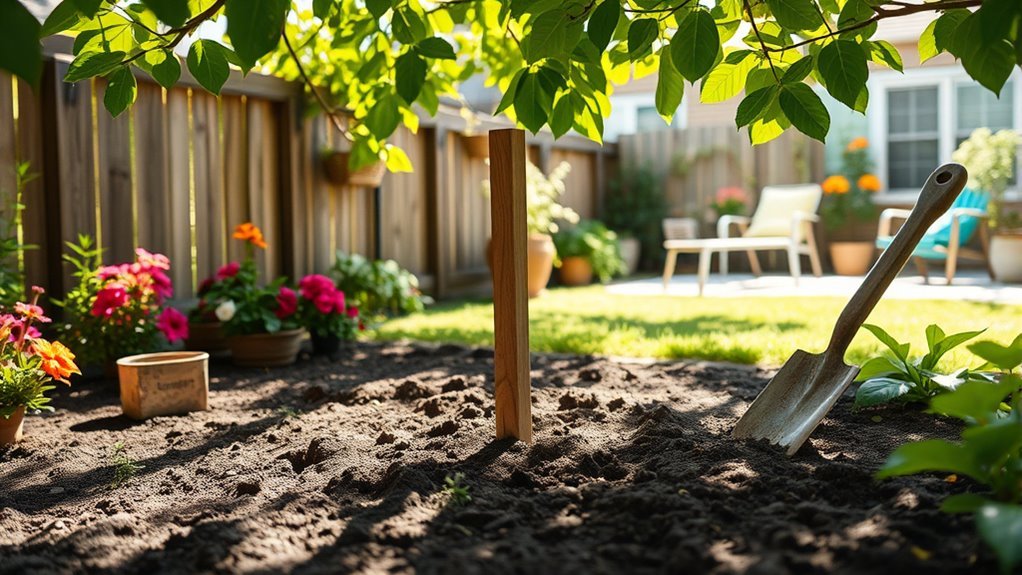
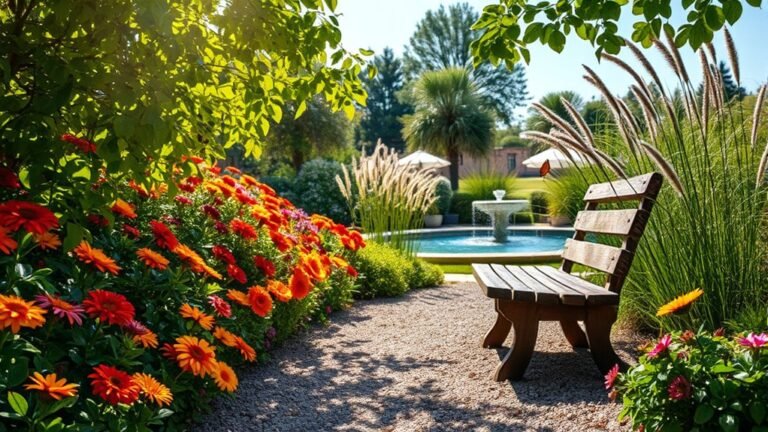
Before you plant a single seed, choose a garden spot that gets at least six hours of sunlight daily. Sunlight is essential because most plants need it to grow strong and healthy.
Look for a flat area with good drainage to avoid waterlogged soil that can harm your plants’ roots.
Check the spot for nearby trees or structures that might block sunlight or drop leaves, which can create extra work.
Make sure the location is easily accessible so you can water, weed, and tend your garden without hassle.
If you’re limited on space, consider containers or raised beds on a balcony or patio.
Taking time to find the right spot sets your garden up for success from the very start.
Select Beginner-Friendly Garden Plants to Grow
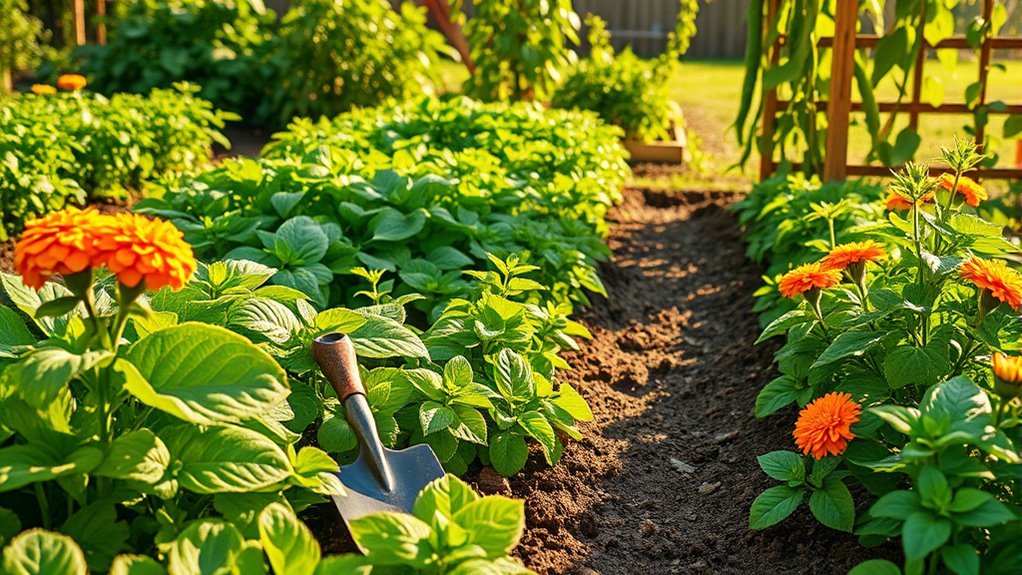
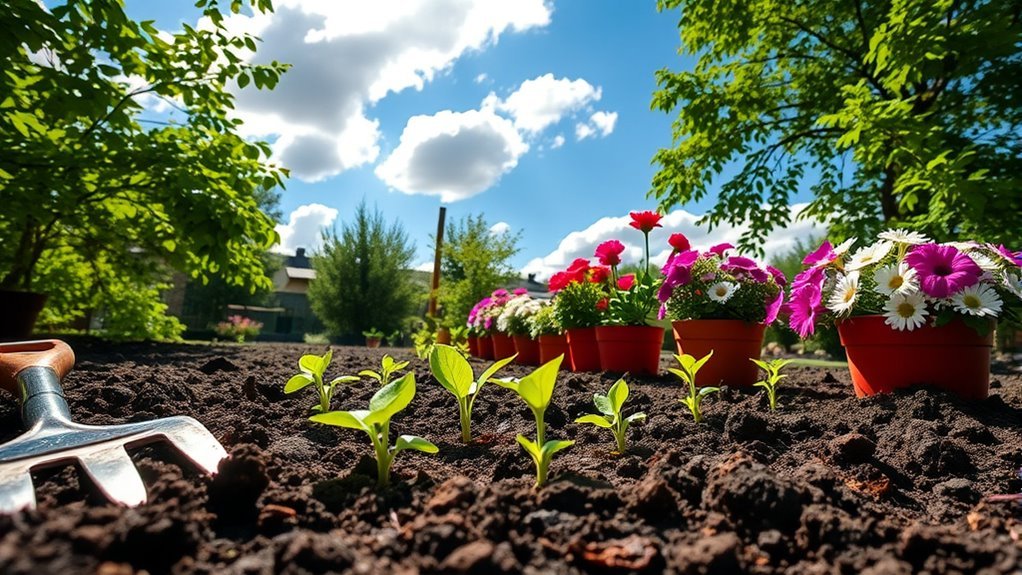
Once you’ve chosen the perfect spot for your garden, it’s time to pick plants that will thrive in your space and skill level. Start with easy-to-grow varieties like herbs—basil, mint, and parsley are great choices. They require minimal care and grow quickly, giving you a sense of accomplishment.
Vegetables such as lettuce, radishes, and cherry tomatoes are also beginner-friendly, offering fast results and a rewarding harvest. Flowers like marigolds, sunflowers, and zinnias add color without demanding much attention.
Choose plants suited to your climate and sunlight availability for better success. Avoid complicated or high-maintenance plants at this stage.
Create Easy Garden Care Routines to Help Plants Thrive
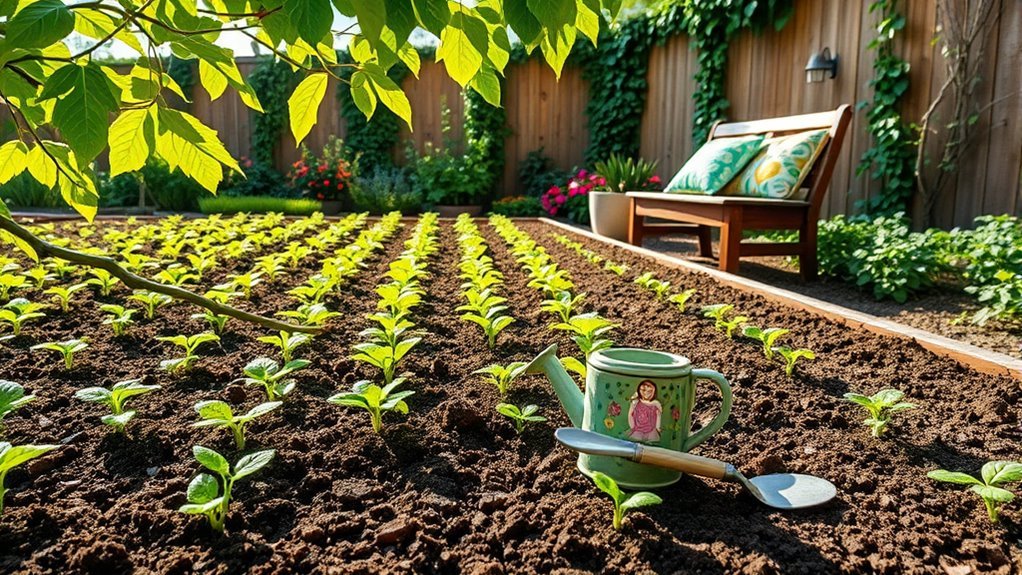
Although starting your garden may seem simple, establishing easy care routines guarantees your plants stay healthy and flourish. Begin by setting a consistent watering schedule—early mornings work best to reduce evaporation and prevent disease. Check soil moisture regularly and adjust watering based on weather conditions.
Next, dedicate time to weeding; removing weeds prevents competition for nutrients and keeps your garden tidy. Don’t forget to prune dead or damaged leaves to encourage new growth.
Finally, fertilize your plants with a balanced, slow-release fertilizer every few weeks to provide essential nutrients.
Frequently Asked Questions
How Do I Protect My Garden From Pests Naturally?
You can protect your garden naturally by planting companion plants, using neem oil or insecticidal soap, and encouraging beneficial insects like ladybugs.
You’ll keep pests away without harmful chemicals, promoting a healthy, thriving garden ecosystem.
What Are the Best Tools for a Beginner Gardener?
You’ll want a sturdy trowel, pruning shears, gloves, and a watering can—think of them as your garden’s version of a knight’s sword and shield. These tools help you nurture plants and fend off weeds with ease.
Can I Start a Garden Indoors During Winter?
Yes, you can start a garden indoors during winter. Just use containers, quality soil, and grow lights to provide enough warmth and light.
Keep plants near windows and water them regularly to help them thrive despite the cold outside.
How Do I Compost at Home Effectively?
You might think composting requires a big yard, but it doesn’t! You just need a balanced mix of greens and browns, regular turning, and moisture.
Keep it aerated, and you’ll have rich compost in no time!
What Are Common Mistakes to Avoid in Gardening?
You’ll want to avoid overwatering, poor soil choice, and planting too early. Don’t ignore pests or crowd plants.
Also, avoid neglecting regular maintenance like weeding and pruning to keep your garden healthy and thriving.
Conclusion
Now that you’ve planted the seeds of knowledge, watch your garden dreams bloom with just a little care. Finding the perfect spot, choosing friendly plants, and creating simple routines are your magic tools. Like a gentle gardener nurturing new life, you’ll see your space transform into a vibrant oasis.
So roll up your sleeves, and let your green thumb shine. Your garden adventure is ready to grow, and with the right gardening tips and easy steps, you’ll cultivate a beautiful, thriving garden in no time!