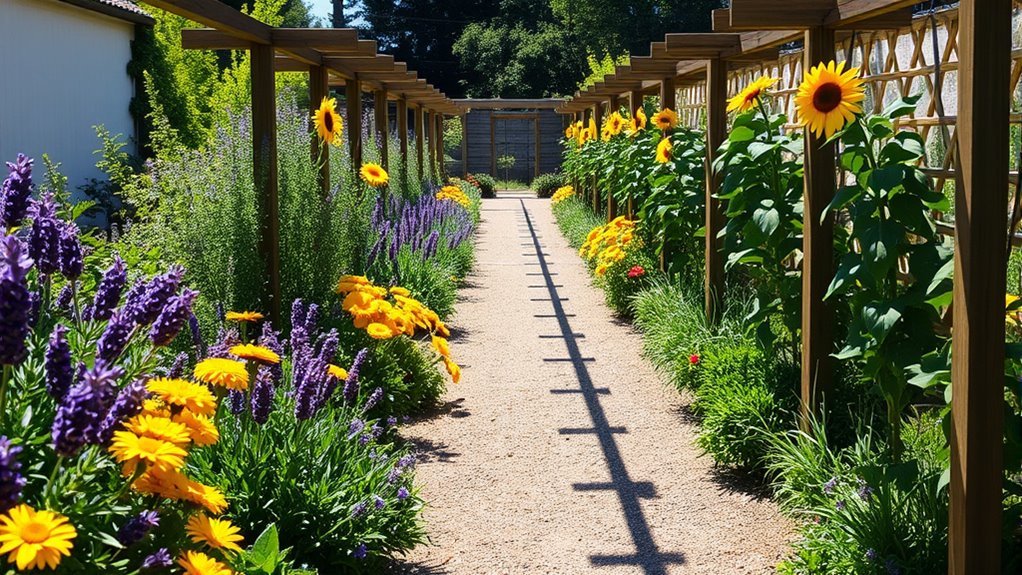
How to Divide a Long Narrow Garden Step by Step
To divide your long narrow garden effectively, start by measuring and mapping the space accurately. Include existing features and note sunlight exposure to plan zones that suit your garden’s needs. Dividing a long narrow garden requires thoughtful zoning to maximize both function and aesthetics.
Decide how many zones you want and select materials like wood, stone, or plants to create clear boundaries. Raised beds and planters add dimension and help define different areas. Design pathways wide enough for easy access and smooth flow throughout the garden.
Balance function and style by repeating colors and textures across zones. Thoughtful planning will help you create a practical, attractive garden that flows well. There’s plenty more to explore for perfecting your long narrow garden’s layout and appeal.
Measure and Map Your Long Narrow Garden
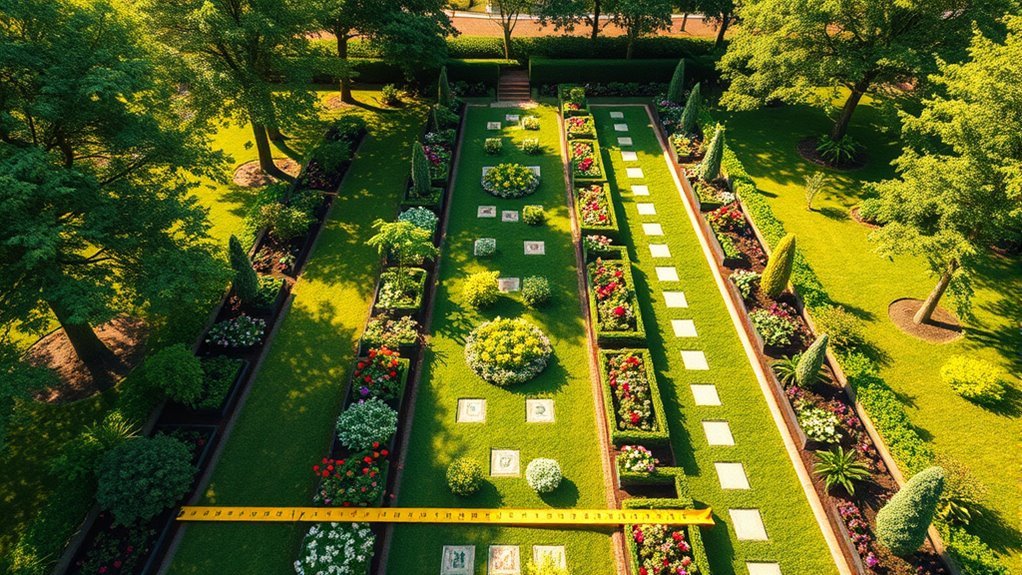
Before you begin dividing your long narrow garden, you’ll want to measure and map the space accurately. Start by walking the entire length and width with a tape measure or measuring wheel to get precise dimensions. Note any irregularities, such as curves or slopes, on your sketch.
You can use graph paper or a digital tool to create a scaled map that reflects your garden’s actual size and shape. Mark existing features like trees, paths, or structures that might affect division.
Taking accurate measurements guarantees your divisions will be practical and proportional, helping you plan efficiently. This step saves you from guesswork later, making your garden layout clear and manageable before you decide how to zone or plant.
Decide How Many Zones to Create in Your Garden
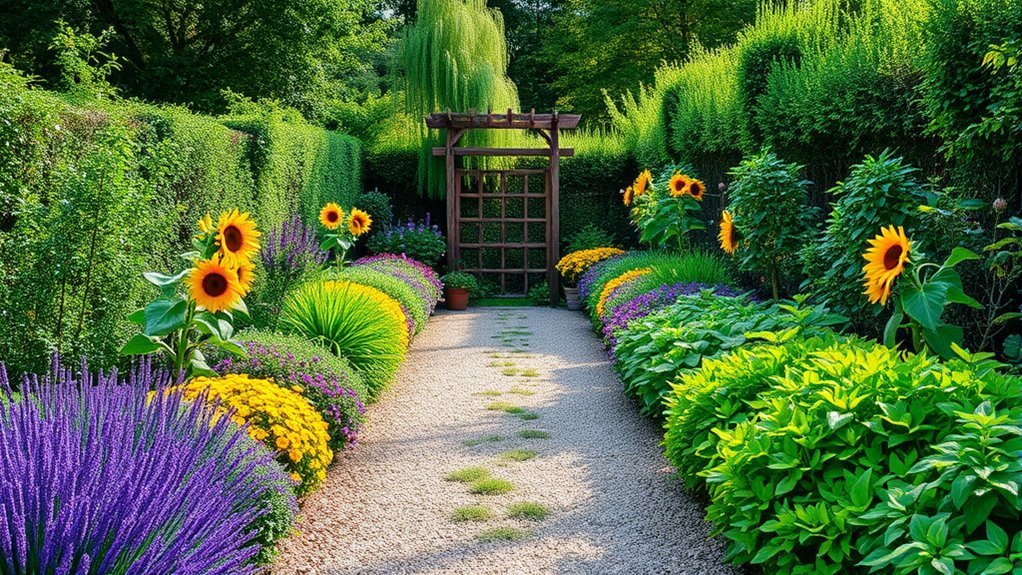
When you decide how many zones to create in your garden, consider how you plan to use each area and how much maintenance you’re willing to commit. Think about dividing the space into distinct sections like a vegetable patch, a seating area, or a flower bed. Each zone should serve a clear purpose that fits your lifestyle.
Keep in mind that more zones mean more variety but also more upkeep. If you prefer low maintenance, fewer zones might work better.
Also, consider the garden’s shape and sunlight patterns to optimize each zone’s functionality.
Planning zones thoughtfully helps you enjoy your garden fully, making it easier to organize planting, watering, and other tasks without feeling overwhelmed. This approach ensures your long narrow garden feels purposeful and inviting.
Choose Materials to Divide Your Garden Spaces
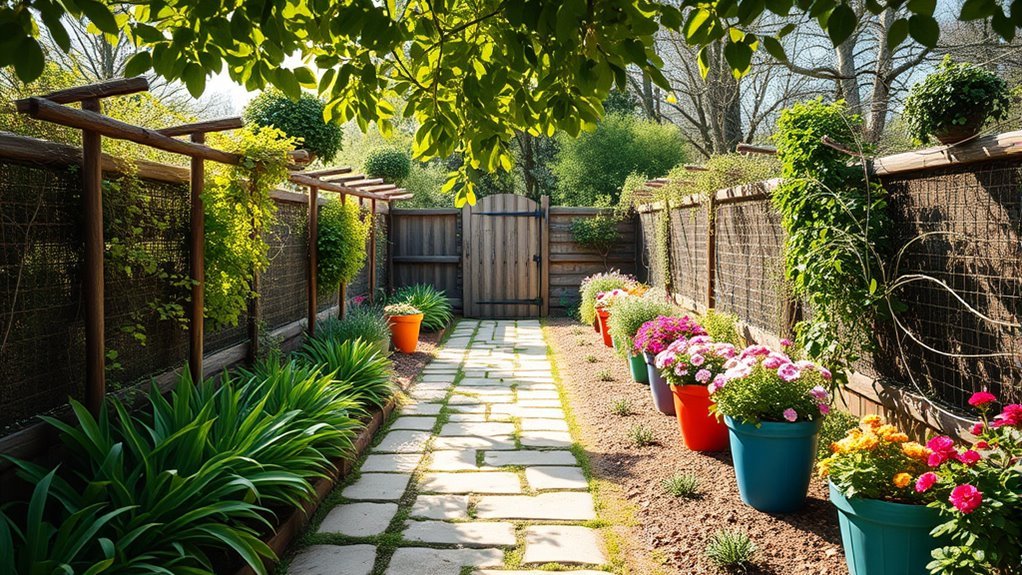
Although dividing your garden into zones is essential, choosing the right materials to separate these spaces will define both the look and function of your garden. You want materials that complement your style and withstand outdoor conditions.
Dividing your garden into zones is key, but selecting the right materials shapes its style and durability.
Here are three popular options to weigh:
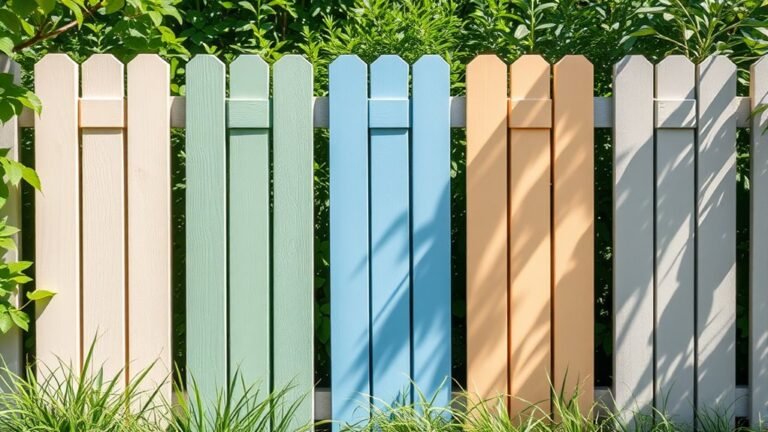
- Wooden Fences or Panels: They provide privacy and a natural look. Choose treated wood for durability and stain it to match your garden’s theme.
- Metal or Wire Screens: Ideal for a modern or industrial vibe. They’re sturdy and can support climbing plants if you want some greenery.
- Stone or Brick Edging: Offers a classic, durable boundary that adds texture and structure. It’s perfect for long-lasting divisions with minimal maintenance.
Pick materials that suit your garden’s climate and your maintenance preference to keep your zones both beautiful and practical.
Use Plants to Naturally Separate Garden Areas
Since plants add both beauty and function, using them to naturally separate garden areas creates a seamless shift between spaces. You can select shrubs, hedges, or tall grasses to form gentle barriers without blocking light or airflow.
Choose varieties that suit your garden’s style and climate to guarantee healthy growth.
For a softer boundary, consider flowering plants or climbers on trellises to add color and texture. Grouping plants with varying heights and densities helps define zones while maintaining an open feel.
This approach enhances privacy, guides movement, and creates visual interest without harsh lines.
Add Raised Beds and Planters to Define Zones
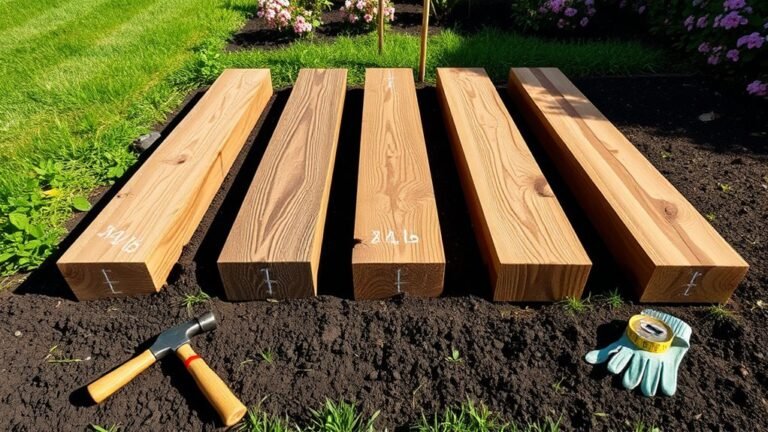
You can use raised beds and planters to clearly define different zones in your garden while improving soil quality and drainage.
Choose materials that complement your style and withstand the elements for lasting appeal.
Arrange the beds thoughtfully to create a natural flow that guides movement through your space.
Benefits of Raised Beds
When you add raised beds and planters to your long narrow garden, you create clear zones that enhance both function and appearance. Raised beds offer several benefits that make your gardening easier and more enjoyable:
- Improved Soil Quality – You control the soil mix, ensuring better drainage and nutrient levels for healthier plants.
- Easier Maintenance – Raised beds reduce bending and kneeling, making planting, weeding, and harvesting less strenuous.
- Pest and Weed Control – Elevated beds help keep common pests and weeds at bay, reducing damage and competition.
Choosing Planter Materials
Although selecting the right materials for your raised beds and planters may seem intimidating, choosing wisely can enhance durability, aesthetics, and plant health in your long narrow garden.
Wood is a popular choice—cedar and redwood resist rot and look natural.
If you prefer low maintenance, consider metal or composite materials; they last longer and don’t warp, but can heat up quickly, so add insulation or shade.
Concrete and stone offer sturdy, long-lasting options that blend well with various garden styles.
Whichever material you pick, confirm it’s safe for growing edibles by avoiding treated lumber with harmful chemicals.
Thoughtful material choices help you clearly define zones, add texture, and support healthy plants, making your garden both functional and inviting.
Arranging Beds for Flow
Since a long narrow garden can feel cramped or chaotic without clear boundaries, arranging raised beds and planters strategically helps create a natural flow. You can use these elements to define distinct zones and guide movement through your space.
Here’s how to get started:
- Position beds parallel to the garden’s length to emphasize its shape and avoid blocking pathways.
- Use planters as visual breaks between zones, like seating or vegetable areas, to create interest and separation.
- Vary the height and shape of raised beds and planters to add dimension and guide the eye naturally from one section to another.
Plan Pathways to Connect Your Garden Sections
To create a functional and inviting garden, you’ll want to design pathways that seamlessly connect each section of your long, narrow space. Start by mapping out a main path that runs the length of your garden, ensuring easy access from one end to the other.
Then, add smaller side paths that branch off to individual garden beds or features, making movement intuitive and enjoyable.
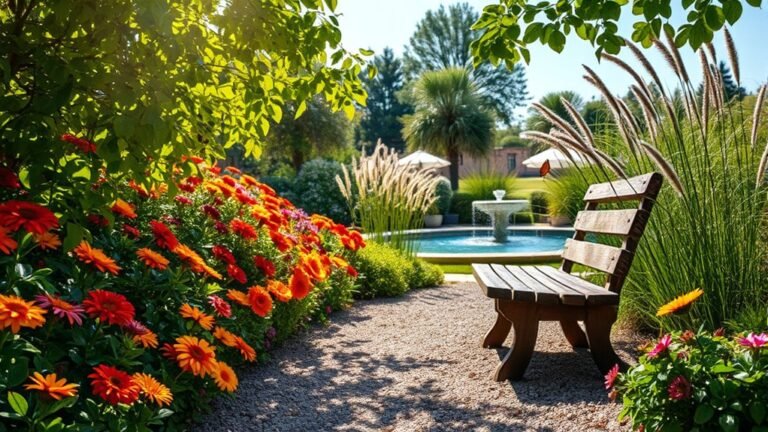
Choose materials like gravel, stepping stones, or pavers that suit your garden’s style and provide good traction.
Keep pathways narrow enough to save space but wide enough for comfortable walking—usually about 2 to 3 feet.
Finally, consider gentle curves to soften the linear feel and guide visitors naturally through the garden sections.
Thoughtful pathways invite exploration and enhance your garden’s flow.
Add Vertical Elements to Break Up Narrow Spaces
When you add vertical elements, you instantly create depth and interest in a long, narrow garden. These features break up the space visually and make your garden feel more dynamic.
Adding vertical features instantly brings depth and visual interest to a long, narrow garden space.
Here’s how you can do it effectively:
- Install trellises or lattices: Use these to support climbing plants, adding greenery and texture without taking up much ground space.
- Incorporate tall planters or raised beds: These add height and can act as natural dividers between garden sections.
- Plant vertical shrubs or small trees: Select narrow, upright varieties that won’t overwhelm the space but will provide height and structure.
Balance Practicality and Style in Your Garden Zones
You’ll want to arrange your garden zones to serve specific functions without guaranteeing style. Think about how each area will be used and choose plants and features that create a cohesive look.
Balancing practicality with aesthetics ensures your narrow garden feels both beautiful and purposeful.
Functional Zone Layout
How do you create a garden layout that feels both practical and inviting? Start by defining clear zones that serve distinct purposes without crowding the space.
Here’s how to organize your long narrow garden effectively:
- Entry Zone: Place welcoming elements like seating or decorative plants near the entrance to set the tone.
- Activity Zone: Dedicate a middle section for functional uses such as vegetable beds, play areas, or pathways to guarantee easy access and movement.
- Relaxation Zone: Reserve the far end for quiet spots with comfy seating or shade, creating a peaceful retreat.
Aesthetic Cohesion Tips
Although dividing your garden into functional zones is essential, blending practicality with style guarantees your space feels cohesive and inviting. Start by choosing a consistent color palette that runs through each zone to tie areas together visually. Use similar materials for pathways, fences, or edging to maintain unity without sacrificing function.
Incorporate repeated plant species or complementary textures to create flow and soften progressions between zones. Lighting should also serve both form and function — opt for fixtures that enhance the ambiance while illuminating key areas.
Don’t forget to balance scale: large features in one zone should be balanced by elements of similar visual weight elsewhere.
Make Sure Your Garden Divisions Allow Easy Access
When planning your garden divisions, make certain you create paths wide enough to move through comfortably without damaging plants. Easy access is essential for maintenance, harvesting, and enjoying your garden fully.
Follow these tips:
- Measure Path Widths – Ensure each path is at least 18-24 inches wide to accommodate tools, wheelbarrows, or just walking without stepping on plants.
- Plan Entry Points – Place gates or openings at logical spots so you don’t have to climb over beds or squeeze through tight spaces.
- Maintain Clear Boundaries – Use edging materials or low borders to define paths clearly and prevent plants from encroaching.
Refresh and Adjust Your Garden Divisions Over Time
As your garden grows and changes, you’ll need to refresh and adjust your divisions to keep everything organized and accessible. Plants may spread beyond their designated areas, or some sections might become overcrowded. Regularly assess each division’s size and shape, trimming or expanding boundaries as needed.
Use clear markers or edging materials to redefine spaces, ensuring pathways remain unobstructed. If certain plants thrive better together, consider merging divisions to improve growth and maintenance.
Conversely, splitting larger sections can help manage vigorous plants and prevent crowding.
Frequently Asked Questions
What Tools Do I Need to Start Dividing My Garden?
You’ll need a spade or garden fork to dig, a garden knife or pruners to cut roots, a measuring tape to mark sections, string and stakes to outline areas, and gloves to protect your hands while working efficiently.
How Do I Prevent Soil Erosion in Divided Garden Zones?
You can prevent soil erosion by planting ground covers; they reduce erosion by up to 90%. Use mulch and create gentle slopes to slow water runoff.
These methods keep your garden soil healthy and secure.
Can Dividing a Garden Increase Property Value?
Yes, dividing a garden can increase your property value by creating organized, attractive spaces. It highlights your landscaping skills, adds curb appeal, and makes your outdoor area more functional.
This appeals to potential buyers and enhances overall charm.
What Are the Best Plants for Pest Control in Garden Zones?
Like a trusty shield in battle, you’ll want plants like marigolds, basil, and lavender to protect your garden zones. They repel pests naturally, letting your plants thrive without harsh chemicals invading your peaceful green sanctuary.
How Do I Maintain Irrigation in Separate Garden Sections?
You’ll want to install separate drip irrigation lines or soaker hoses for each section. Use timers to control watering schedules, ensuring each area gets the right amount.
Regularly check for leaks or blockages to keep irrigation efficient.
Conclusion
As you step back and admire your long, narrow garden, imagine each zone bursting with life—vibrant flowers, lush greenery, and charming pathways inviting you to explore. By thoughtfully dividing your space with plants, raised beds, and vertical accents, you create a garden that feels both spacious and intimate.
Keep your design flexible, letting it grow and evolve, so every visit feels like a fresh, inspiring escape right outside your door. Incorporating these steps to divide a long narrow garden ensures you maximize both beauty and functionality in your outdoor space.
With careful planning and creativity, your garden will become a series of inviting zones that enhance the overall appeal and usability of your long narrow garden.