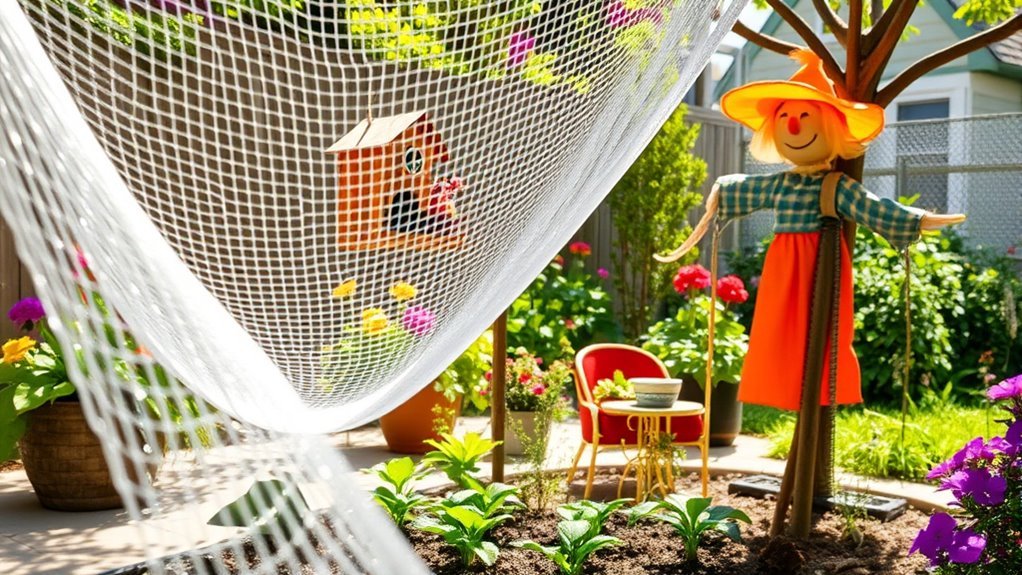
3 Effective Tips to Stop Pigeons in Your Garden
To stop pigeons in your garden effectively, focus on removing their sources of food and shelter. Clear away fallen fruit and trim back shrubs to reduce the places where pigeons can eat and hide. This simple step helps make your garden less attractive to them.
Next, install physical deterrents such as bird spikes or reflective objects on ledges. These devices prevent pigeons from landing and settling in your garden. Using these barriers can significantly reduce pigeon presence.
Finally, apply natural repellents like peppermint oil sprays or plant strong-smelling herbs around your garden. These scents make the area uninviting for pigeons. Combining these strategies greatly increases your chances of keeping pigeons away.
There’s plenty more helpful advice to explore beyond these basics if you want to improve your results even further.
Remove Food and Shelter to Keep Pigeons Away From Your Garden
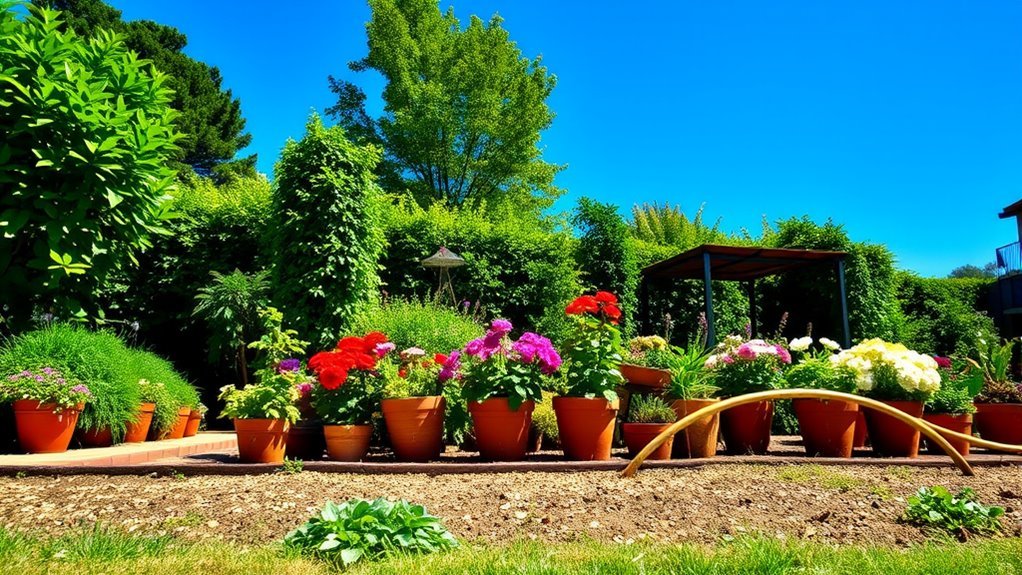
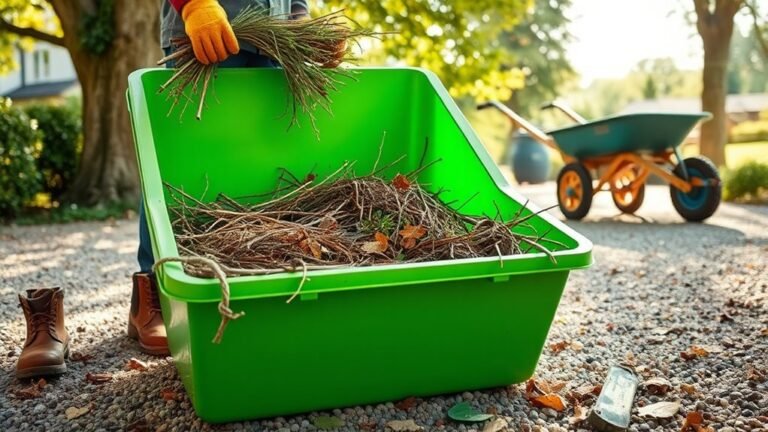
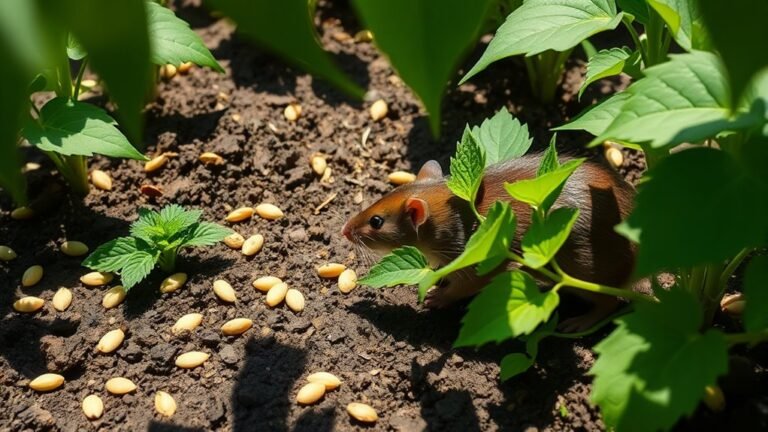
Since pigeons are attracted to easy food and cozy spots, you should remove any sources of both from your garden. Start by cleaning up fallen fruits, seeds, and pet food that might be lying around—they’re irresistible snacks for pigeons. Use bird-proof containers to store birdseed and compost, preventing access.
Next, trim dense shrubs and remove clutter where pigeons might nest or rest. You don’t want them to find sheltered areas to roost. Keep your garden tidy, and avoid leaving piles of wood or debris that provide cover.
Set Up Physical Deterrents to Stop Pigeons in Their Tracks
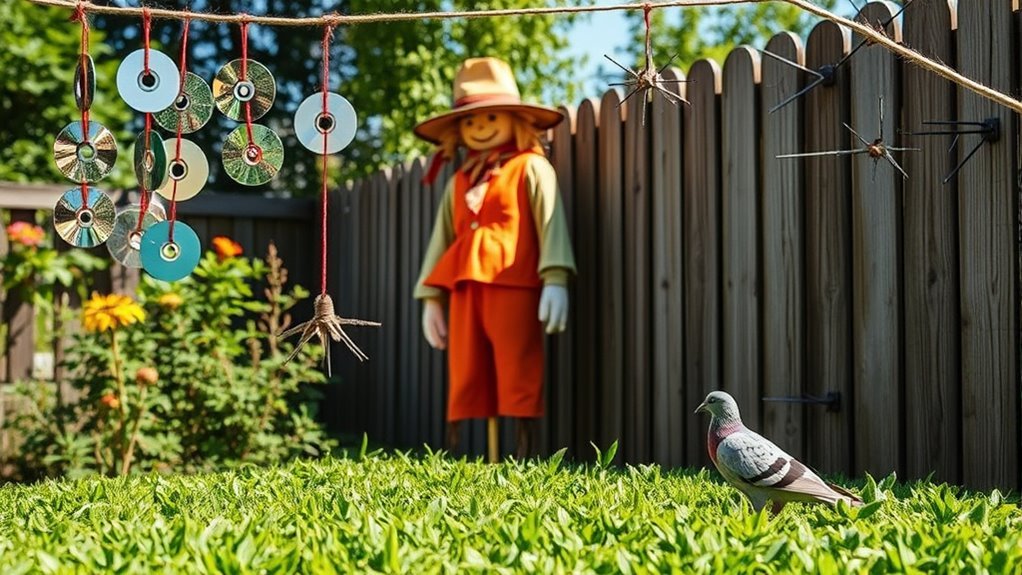
Although removing food and shelter helps, you’ll often need physical deterrents to keep pigeons from settling in your garden. Start by installing bird spikes on ledges, fences, and rooftops where pigeons like to perch. These spikes don’t harm the birds but make landing uncomfortable.
Physical deterrents like bird spikes are essential to discourage pigeons from settling in your garden without harming them.
You can also use bird netting to block off areas where pigeons nest or roost. Reflective objects like shiny tape or old CDs hung around your garden can scare pigeons away by reflecting light unpredictably.
Additionally, consider placing decoy predators such as plastic owls or hawks to intimidate them.
Rotate these deterrents regularly to prevent pigeons from getting used to them. By combining these physical barriers, you’ll create an unwelcoming environment that discourages pigeons from invading your garden space.
Try Natural Repellents to Safely Deter Pigeons From Landing
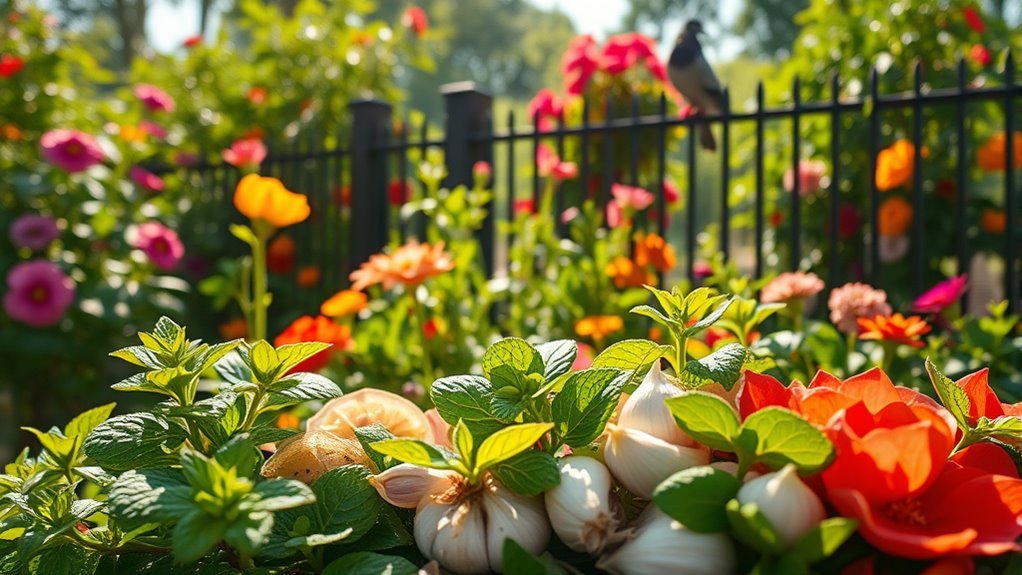
When you want to keep pigeons away without harsh chemicals or complicated setups, natural repellents offer a safe and effective solution. You can use scents pigeons dislike, such as peppermint oil, garlic, or vinegar, by spraying diluted mixtures around your garden. These smells irritate pigeons’ sensitive noses, encouraging them to find other spots.
Another option is planting strong-smelling herbs like rosemary, lavender, or sage, which act as natural barriers. You might also scatter crushed chili flakes or coffee grounds near areas where pigeons like to land.
Just remember to reapply these repellents regularly, especially after rain.
Using natural repellents lets you protect your garden while being kind to the environment and local wildlife, making your outdoor space less inviting to pigeons without causing harm.
Frequently Asked Questions
Can Pigeons Carry Diseases Harmful to Humans?
Yes, pigeons can carry diseases harmful to you, like histoplasmosis, cryptococcosis, and psittacosis.
You should avoid direct contact with their droppings and keep your garden clean to reduce health risks.
Are Pigeons Protected by Law in Residential Areas?
You’re not restricted, you’re not free; pigeons aren’t fully protected, but you can’t harm them either.
You must follow local wildlife laws, avoid harming nests, and use humane methods to manage pigeons in residential areas.
How Do Pigeons Affect Local Ecosystems?
Pigeons affect local ecosystems by competing with native birds for food and nesting sites. You might notice they spread seeds and droppings that can alter plant growth.
They sometimes transmit diseases to other wildlife and humans.
What Are the Best Times of Day to Deter Pigeons?
The early bird catches the worm, so focus on deterring pigeons at dawn and dusk when they’re most active.
You’ll want to be consistent during these peak times to keep them from making your garden their hangout.
Can Pigeon Control Methods Harm Other Wildlife?
Yes, some pigeon control methods can harm other wildlife if you’re not careful.
You should choose humane, targeted solutions like bird spikes or reflective objects to avoid unintended damage to beneficial birds and animals in your garden.
Conclusion
If you’re tired of pigeons treating your garden like their personal buffet and penthouse, it’s time to kick them out. Remove their five-star dining options and cozy hideouts, set up barricades that scream “No Vacancy,” and sprinkle natural repellents like you’re seasoning a secret recipe.
Soon, your garden will be pigeon-free, and those feathered freeloaders will be left wondering if they accidentally RSVP’d to the wrong party. By following these effective tips to stop pigeons in your garden, you can reclaim your outdoor space and enjoy a peaceful, bird-free environment.