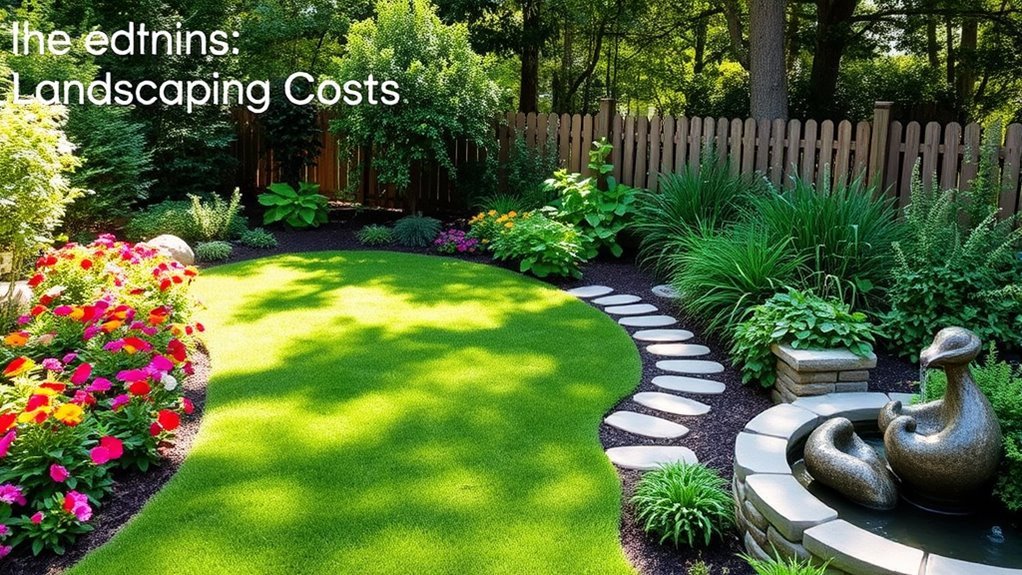
5 Key Factors That Affect How Much Garden Landscaping Does Cost
You’ll spend more or less on garden landscaping depending on five key factors that influence the overall cost. The size of your garden affects how much material and labor you need, while your choice of materials can considerably raise or lower expenses.
Deciding between DIY and professional help changes your upfront costs and the quality of the finished project. Complex designs with custom features tend to boost prices, and the plants or outdoor elements you select also impact your budget.
Keep reading to uncover how these elements shape your garden landscaping project and what to consider for better cost management.
How Garden Size Impacts Landscaping Costs
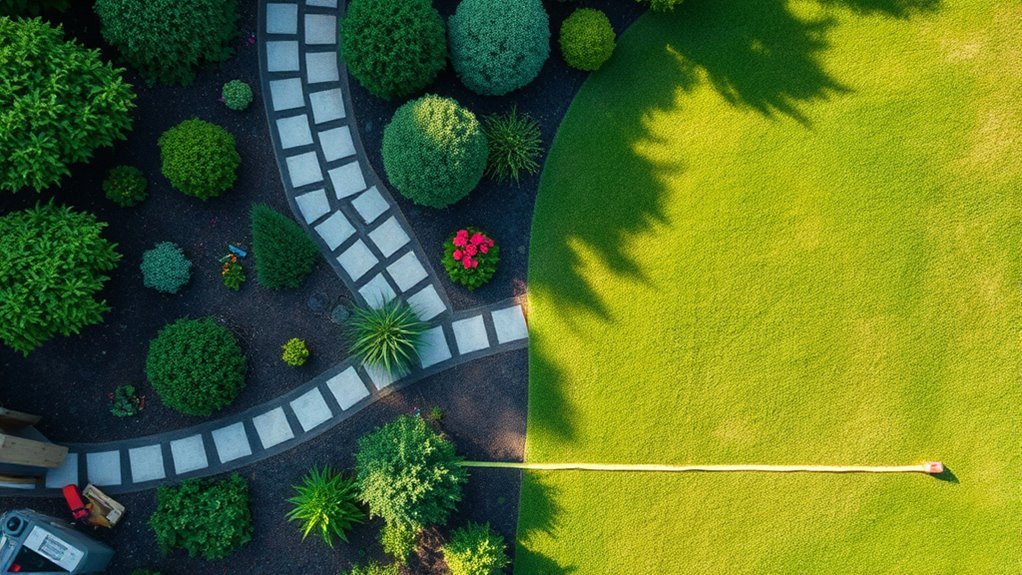
The size of your garden directly influences landscaping costs because larger areas require more materials, labor, and time to transform. When you work with a bigger garden, you’ll need extra soil, plants, and possibly irrigation systems, all adding up to higher expenses.
Additionally, your landscaper will spend more time planning and executing the design, which increases labor costs.
Even tasks like mowing or trimming become more demanding in a larger space, potentially leading to ongoing maintenance fees.
On the other hand, smaller gardens are quicker and cheaper to revamp, but they limit what you can do with the design.
Which Materials Affect Your Garden Landscaping Budget Most?
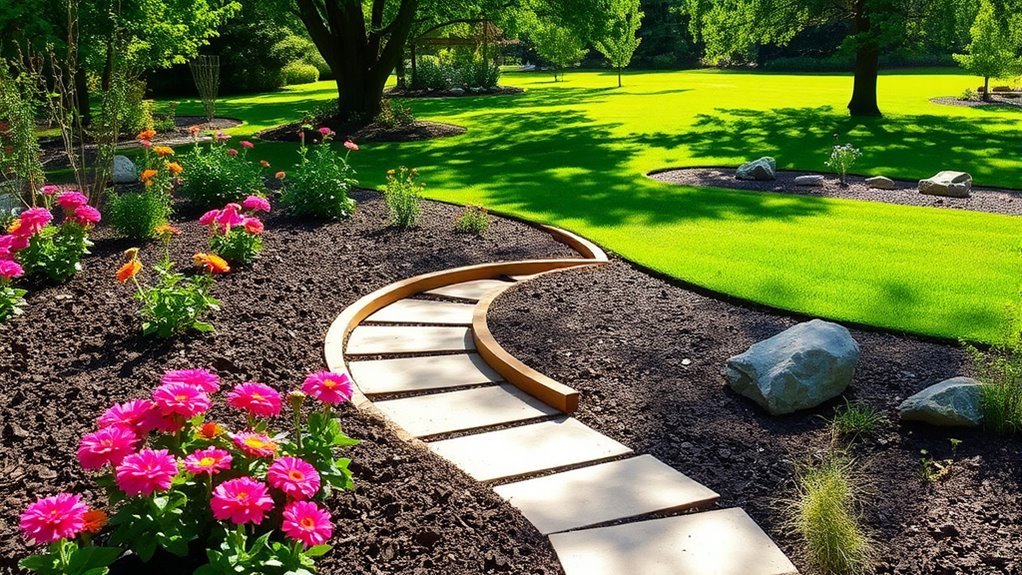
Since materials form the backbone of any landscaping project, your choice of them considerably impacts your overall budget.
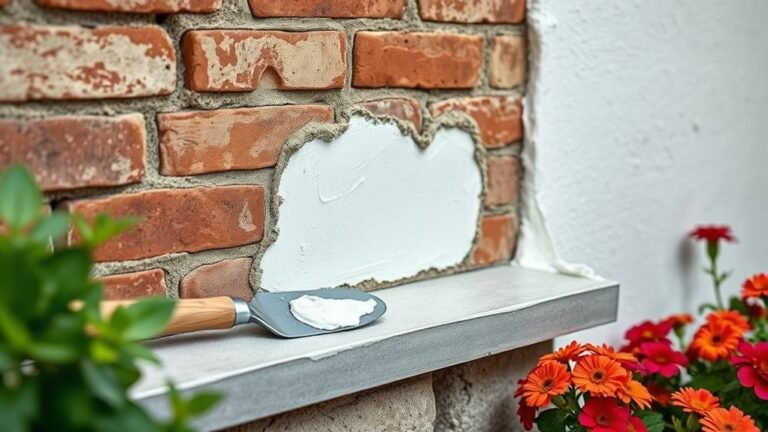
Hardscaping elements like stone, brick, or concrete can be costly, especially if you opt for premium or natural materials. Wood decking varies widely in price depending on the type of wood and its treatment.
Mulch, gravel, and soil, though less expensive individually, add up when used in large quantities.
Plants also influence costs markedly—mature trees and rare plants cost more than young or common varieties.
Additionally, irrigation systems and lighting fixtures affect your expenses based on quality and complexity.
DIY vs. Pro Labor: Impact on Garden Landscaping Costs
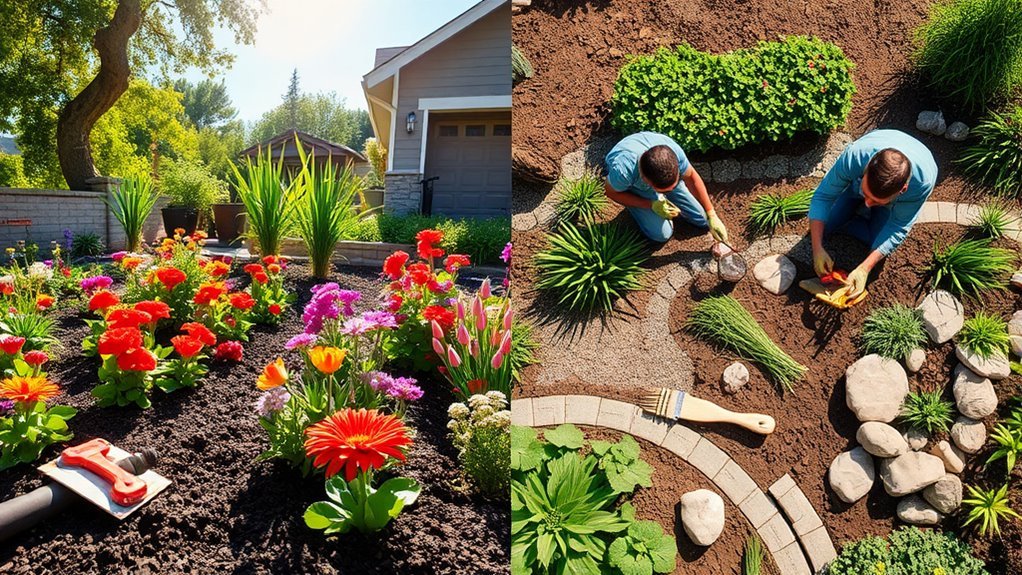
Although hiring professionals can increase upfront costs, tackling some landscaping tasks yourself can substantially reduce your overall expenses. When you do the labor, you save on hourly rates and avoid markups on subcontracted work. Simple tasks like planting, mulching, or basic lawn care are manageable without specialized skills, letting you stretch your budget further.
However, certain jobs demand expertise, such as installing irrigation systems or hardscaping, where mistakes could cost more to fix than hiring a pro initially. Balance your available time, skills, and tools before deciding.
DIY can be rewarding and economical, but be realistic about what you can handle safely and effectively.
Ultimately, mixing DIY efforts with professional help offers control over costs while ensuring quality results in your garden landscaping project.
How Design Complexity Raises Your Garden Landscaping Costs
When you choose a more intricate garden design, you’ll naturally face higher landscaping costs. Complex layouts require more detailed planning, precise measurements, and often custom features that take extra time and skill to build.
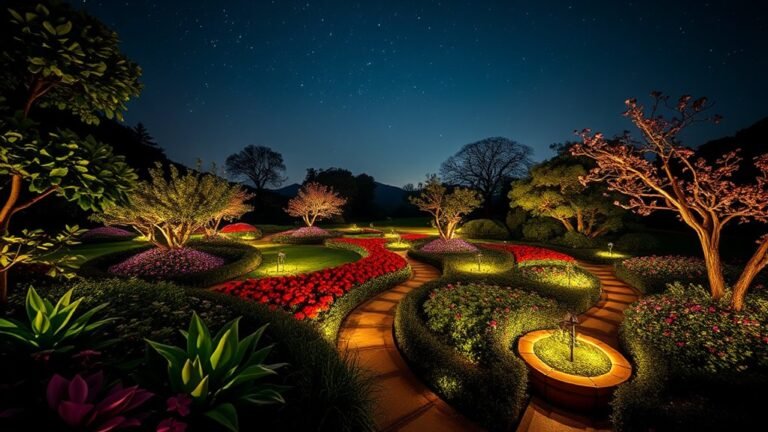
Curved pathways, multi-level terraces, and elaborate water elements demand specialized labor and materials, pushing up your budget.
Additionally, intricate designs often involve more extensive groundwork, including grading or drainage solutions, which add to expenses. The need for higher-quality craftsmanship and longer project timelines also contributes to increased costs.
If you want unique stonework, detailed lighting, or custom-built structures, expect your landscaping bill to rise accordingly.
Which Plants and Features Add the Most to Landscaping Costs?
Choosing the right plants and features can greatly impact your landscaping costs. Some plants and features require more investment due to size, rarity, or maintenance needs. For instance, mature trees and exotic plants tend to be pricier than common shrubs or perennials.
Features like water fountains, patios, or outdoor lighting also add to the budget.
Here’s a quick comparison to help you decide:
| Plants/Features | Cost Impact |
|---|---|
| Mature Trees | High |
| Native Shrubs | Moderate |
| Exotic Flowers | High |
| Water Features | High |
| Patios & Decks | Moderate to High |
| Outdoor Lighting | Moderate |
Picking cost-effective yet attractive options can keep your landscaping beautiful without overspending.
Frequently Asked Questions
How Does the Local Climate Influence Garden Landscaping Expenses?
Your local climate affects landscaping costs because certain plants need more care or irrigation. Harsh climates may require durable materials, while mild ones let you choose affordable options.
You’ll spend more adapting to extreme weather.
Are Seasonal Discounts Available for Landscaping Services?
Yes, you’ll often find seasonal discounts for landscaping services, especially during off-peak months. Providers want to keep work steady, so you can save money by booking in late fall or early spring when demand is lower.
What Permits Are Required for Garden Landscaping Projects?
You’ll usually need permits for major changes like building patios, fences, or water features.
Check with your local city or county office to find specific requirements and avoid fines by getting the right approvals before starting.
How Long Does a Typical Garden Landscaping Project Take?
A typical garden landscaping project usually takes two to four weeks to complete, depending on the size and complexity.
You’ll want to plan for potential delays like weather or material availability to keep things on track.
Can Landscaping Increase My Property’s Resale Value?
Want to boost your home’s appeal instantly? Yes, landscaping can increase your property’s resale value by enhancing curb appeal and creating inviting outdoor spaces.
You’ll attract more buyers willing to pay a premium for a beautiful garden.
Conclusion
When you’re planning your garden landscaping, remember: every choice—from size to materials—paints the final cost. Like a puzzle, each piece fits together to shape your budget. Whether you go DIY or hire pros, keep design and plant selections in mind, as they can quickly add up.
So, before you dig in, think carefully—your dream garden’s beauty depends on balancing these key factors without breaking the bank. Considering size, materials, design, and plant choices will help manage how much garden landscaping does cost effectively.