7 Factors Affecting How Much Garden Rooms Cost
You’ll find seven key factors affecting garden rooms cost that shape how much your garden room will cost. First, size matters—bigger rooms use more materials and labor, raising costs. Location and site access can boost installation fees, especially on uneven ground.
Choosing the right foundation affects both price and durability. Materials and design complexity impact expenses, with custom features adding more. Insulation, heating, and extras like plumbing also drive up costs.
Understanding these factors will help you plan confidently and explore more details.
Garden Room Size and Its Impact on Cost
How much space do you really need for your garden room? The size you choose directly affects the overall cost. Larger garden rooms require more materials, labor, and time, which naturally increases the price.
If you want a simple office or relaxation spot, a smaller footprint can keep expenses down. However, if you plan to use the space for multiple purposes, like a gym or guest room, you’ll need extra square footage, raising the budget.
Remember, even small increases in size can lead to noticeable cost jumps. It’s essential to balance your needs with your budget.
How Location and Installation Affect Garden Room Budgets
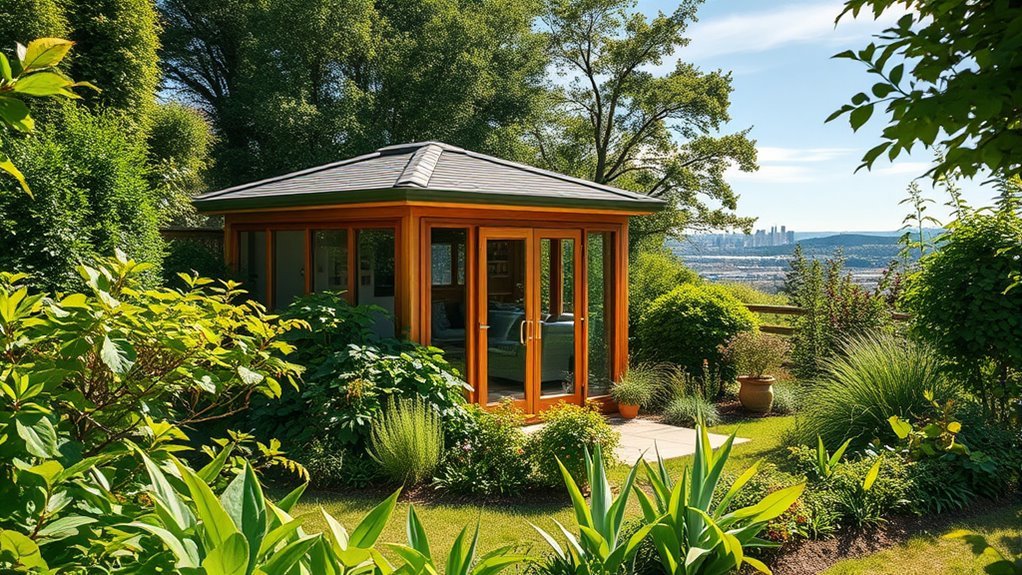
Once you’ve settled on the size of your garden room, consider where you’ll place it and how it will be installed. Location impacts costs considerably—if your chosen spot is difficult to access, expect higher labor charges.
Uneven or sloped ground may require extra work to prepare the site, driving up expenses.
Also, if your garden room needs to be positioned near existing utilities, that can increase installation complexity and cost.
Installation methods vary, too; a prefabricated room might be quicker and cheaper to set up than a fully custom-built one.
Weather conditions and local regulations can affect timing and labor costs, so plan accordingly.
Selecting the Right Garden Room Foundation
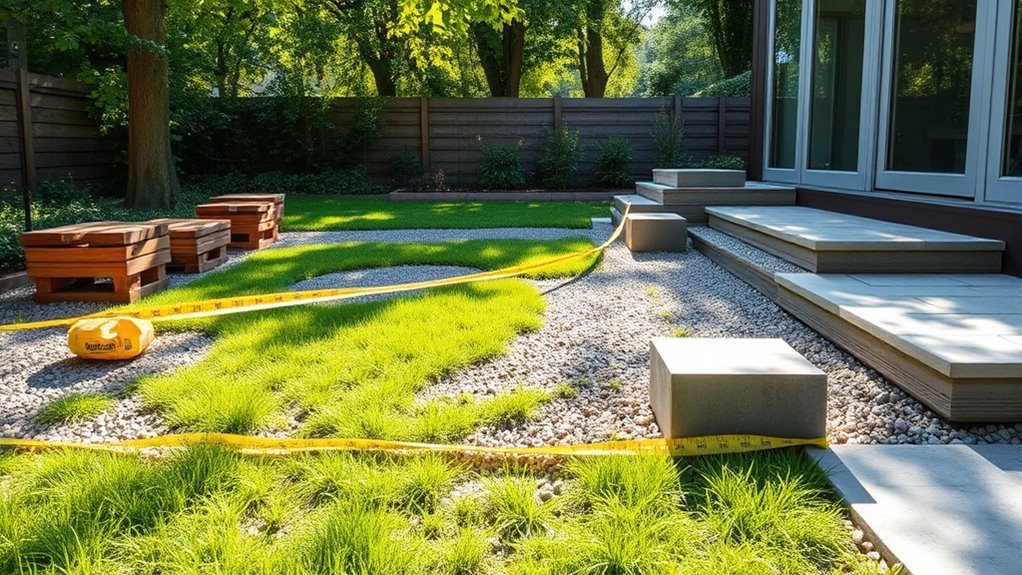
Choosing the right foundation is essential because it affects both the stability and the overall cost of your garden room.
You’ll need to compare options like concrete slabs, timber decks, or paving slabs to find what fits your budget and site conditions.
Understanding these choices will help you avoid unexpected expenses down the line.
Foundation Types Compared
Because your garden room’s stability depends on a solid base, you’ll need to carefully compare foundation types before deciding. Concrete slab foundations offer a sturdy, level surface ideal for most garden rooms, especially if you want a durable, long-lasting option.
Alternatively, timber frame foundations are quicker to install and less disruptive to your garden but may require more maintenance over time.
For uneven or sloped ground, pier and beam foundations provide flexibility by supporting your room on adjustable posts.
Gravel boards with concrete footings offer good drainage and simplicity for smaller structures.
Each foundation type suits different soil conditions and garden layouts, so consider your site carefully.
Cost Implications
While selecting the right foundation for your garden room, you’ll quickly notice that costs can vary considerably depending on the type you choose. Concrete slabs tend to be more expensive but offer durability, while timber foundations can save money but may require more maintenance.
Gravel foundations are usually the cheapest option but might not suit all soil types or heavy structures. Balancing cost with longevity and suitability is key to avoiding unexpected expenses.
| Foundation Type | Approximate Cost | Durability |
|---|---|---|
| Concrete Slab | £1,000 – £2,500 | High |
| Timber Frame | £700 – £1,500 | Moderate |
| Gravel Base | £400 – £900 | Low to Moderate |
Choose wisely based on your budget and garden room needs.
Materials That Influence Garden Room Prices
Since the materials you select directly impact both the durability and appearance of your garden room, they play a major role in determining the overall cost.
Choosing high-quality timber, for example, often raises prices but guarantees longevity and a stunning finish. Alternatively, composite materials may reduce maintenance needs but can come with a higher upfront cost.
Glass options, like double-glazing or laminated panels, also affect pricing depending on size and quality.
Flooring materials vary too; hardwood floors cost more than laminate or vinyl but add value and style.
Even the choice of roofing materials—whether felt, tiles, or metal—changes expenses.
Garden Room Insulation and Heating Costs
The materials you pick for your garden room not only affect its look and durability but also influence how well it retains heat. Proper insulation reduces heat loss, so you spend less on heating. Investing in quality insulation like rigid foam boards or spray foam can raise upfront costs but pays off with lower energy bills.
Don’t forget to insulate floors, walls, and ceilings thoroughly.
When it comes to heating, options range from electric heaters and underfloor heating to wood-burning stoves, each with different installation and running costs. Electric heaters are cheaper initially but pricier to run, while underfloor heating offers efficiency but costs more to install.
Balancing insulation quality with your preferred heating method helps you manage both comfort and expenses effectively.
How Design Complexity Affects Garden Room Prices
Because design complexity directly influences the amount of materials, labor, and time required, it plays a significant role in your garden room’s overall price. If you opt for a simple, rectangular layout with standard windows and doors, you’ll keep costs down.
But as you add unconventional shapes, multiple levels, or intricate rooflines, expect the price to rise. Complex designs often require custom materials and skilled craftsmanship, which take longer to complete.
You’ll also need more detailed planning and possibly specialized permits, adding to expenses.
While a unique design can make your garden room stand out, it’s important to balance your vision with your budget.
Keep in mind that the more elaborate your design, the more you’ll invest upfront before enjoying your new space.
Garden Room Extras That Increase Costs
Adding extras to your garden room can quickly boost the overall cost. Features like insulation, double-glazed windows, and high-quality flooring improve comfort but add to expenses.
Installing electrical wiring, lighting, and heating systems also raises the price, especially if you want smart technology or underfloor heating.
Electrical wiring, lighting, and heating upgrades increase costs, particularly with smart tech or underfloor heating options.
You might want to include built-in furniture or custom storage, which requires more materials and labor.
External finishes such as decking, landscaping, or special cladding increase costs, too.
Even adding a bathroom or kitchenette will notably impact your budget due to plumbing and fixtures.
When planning, prioritize the extras that matter most to you and balance your desires with your budget to avoid surprises.
Making thoughtful choices ensures your garden room stays both functional and affordable.
Frequently Asked Questions
How Long Does It Take to Build a Garden Room?
It usually takes you between one to three weeks to build a garden room, depending on size and complexity.
If you’re using a pre-fabricated option, it can be even quicker, sometimes just a few days.
Can Garden Rooms Be Used Year-Round in All Climates?
Yes, you can use garden rooms year-round if you insulate them properly and add heating or cooling.
Without climate control, extreme temperatures might make them uncomfortable during winter or summer months in certain regions.
Are Garden Rooms Allowed Under Typical Local Planning Permissions?
Planning permission often dances on a fine line, but you’ll usually find garden rooms allowed if they’re under 30 square meters, single-storey, and not blocking neighbors’ sunlight.
Always check your local rules before building, though!
What Maintenance Is Required for Garden Rooms?
You’ll need to regularly clean gutters, treat timber to prevent rot, check seals for leaks, and maintain any external paint or cladding.
Occasional inspections will help you catch issues early and keep your garden room in great shape.
How Does Adding Electricity Affect Garden Room Costs?
Adding electricity sparks up your garden room’s cost, like wiring light into a cozy nook. You’ll pay for cables, outlets, and labor, but you’ll gain warmth, power, and convenience, making your space truly come alive.
Conclusion
When you’re planning your garden room, remember it’s like painting a masterpiece—each choice adds color to the final cost. Size, location, materials, and design all brush strokes shaping your budget canvas.
Don’t forget, extras and insulation are the finishing touches that bring warmth and charm but can raise the price. By understanding these factors, you’ll craft a space that fits your vision without letting expenses grow wild like an untended garden.
Keeping these 7 factors affecting how much garden rooms cost in mind will help you manage your budget effectively and create the perfect garden room for your needs.