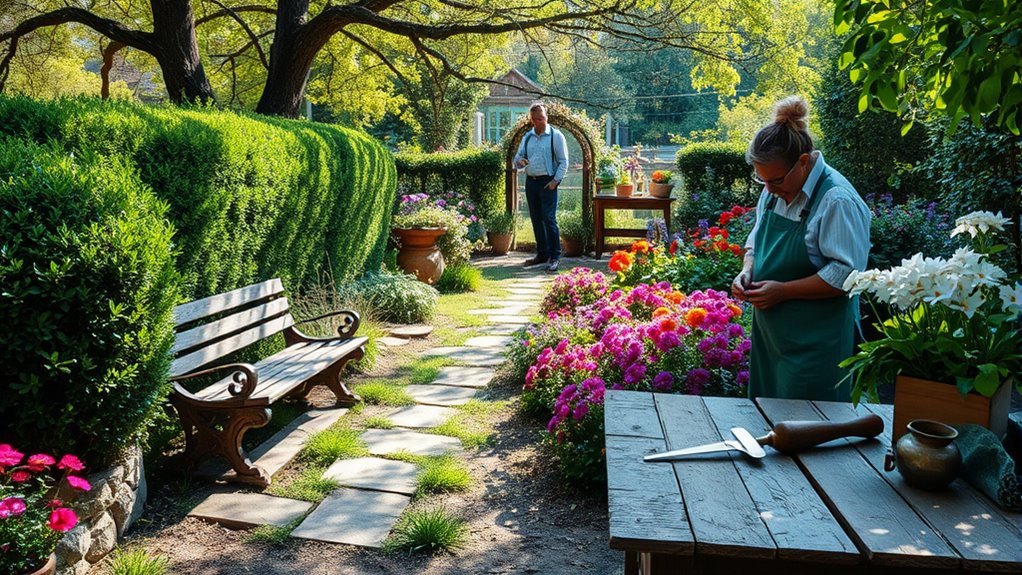
5 Factors That Affect How Much a Garden Renovation Costs
When planning a garden renovation, understanding the factors that affect your costs is essential. Your expenses mainly depend on five key factors that influence the overall budget. Larger garden sizes mean more materials and longer labor, which increases expenses.
Your choice of materials, from natural stone to native plants, also impacts your budget. Complex designs or custom features require more work and expertise, adding to costs. Labor and professional fees vary by skill and project scope.
Plus, site conditions like soil quality or terrain can lead to extra charges. Explore these factors deeper to make smart decisions and manage your garden renovation costs effectively.
How Garden Size Affects Renovation Costs
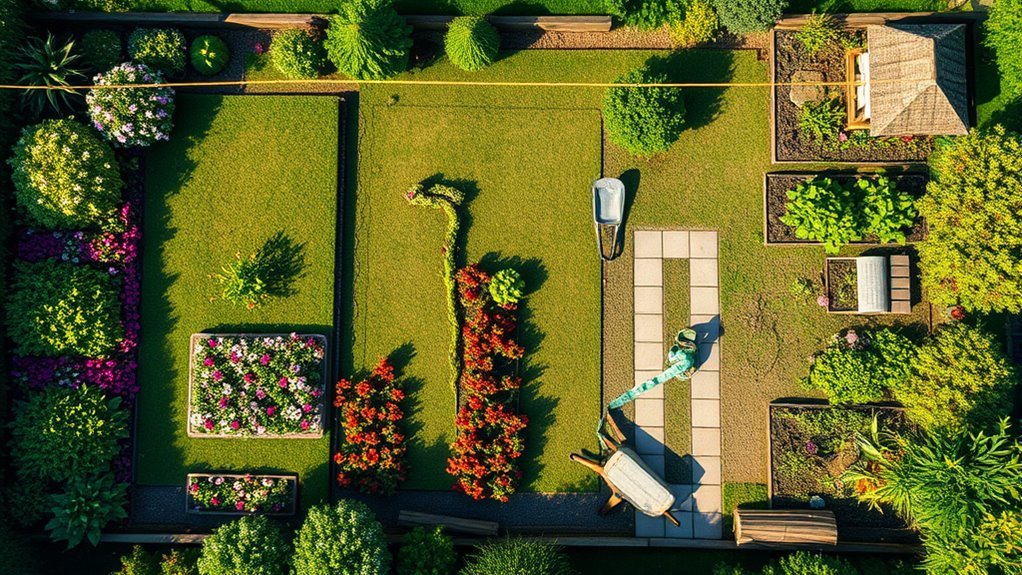
Because the size of your garden directly impacts the amount of materials and labor required, it plays a crucial role in determining renovation costs. When you have a larger garden, you’ll need more soil, plants, and other landscaping materials, which naturally increases expenses.
Garden size directly influences renovation costs by increasing the need for materials and labor with larger spaces.
Additionally, the bigger the area, the longer it will take for workers to complete tasks like planting, digging, or installing features, meaning higher labor costs.
On the other hand, a smaller garden limits material needs and reduces labor time, helping you save money.
You should also consider how the layout and accessibility of your garden affect the time and effort needed.
Choosing Materials for Your Garden Renovation Budget
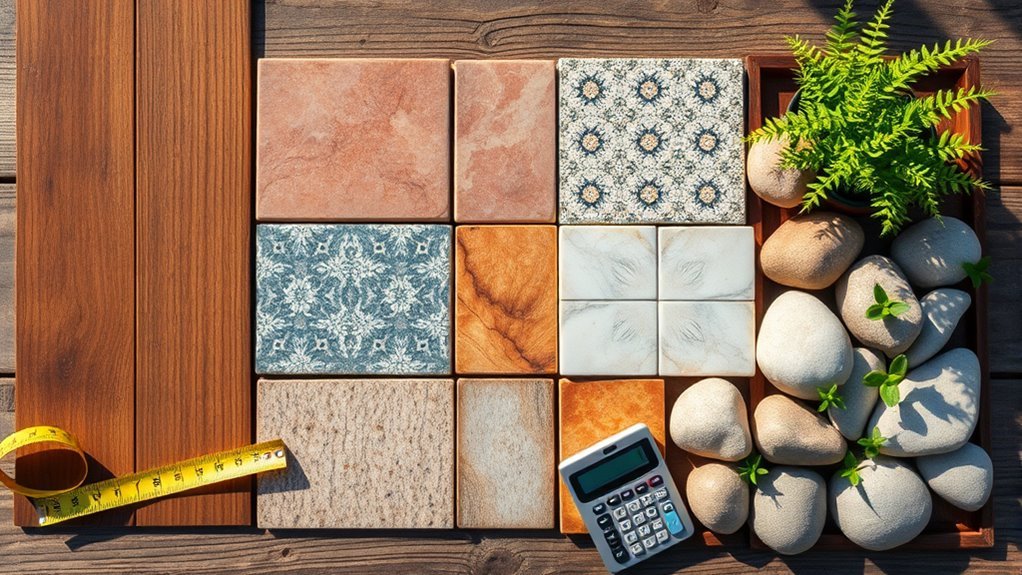
Once you’ve assessed how your garden’s size influences costs, the next step is to decide on the materials you’ll use. Your choice directly impacts your budget since different materials vary widely in price and durability.
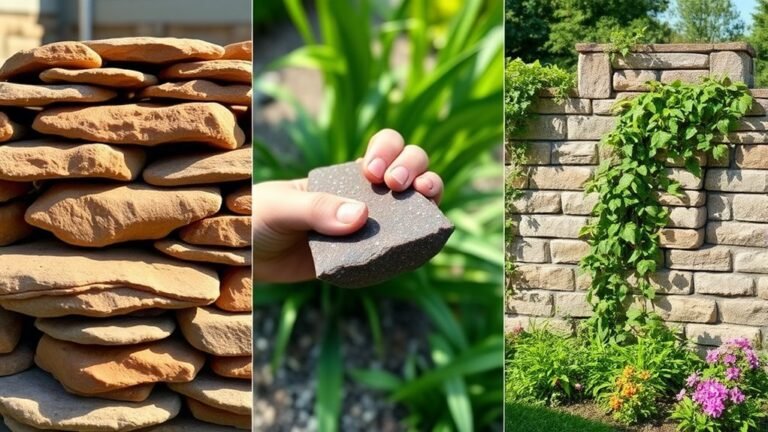
For example, natural stone offers a high-end look but costs more than concrete pavers.
Wood decking brings warmth but requires maintenance, while composite decking lasts longer but might stretch your budget.
Don’t forget plants—native species generally cost less and thrive with less care compared to exotic varieties.
Also, consider recycled or reclaimed materials; they can save money and add character.
Balancing aesthetics, longevity, and cost helps you pick materials that suit your style without overspending.
How Design Complexity Impacts Garden Renovation Costs
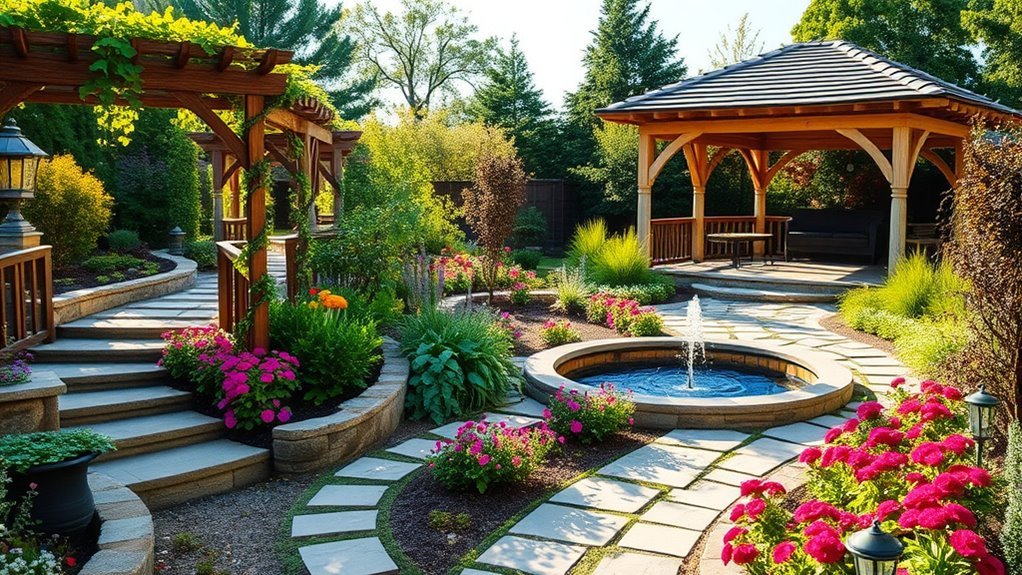
Although you might have a clear vision for your garden, the complexity of your design plays a major role in determining renovation costs. A simple layout with straightforward planting and minimal features is easier and cheaper to execute.
However, intricate designs demand more time, materials, and expertise, driving up expenses.
Consider these factors:
- Structural Elements: Adding features like retaining walls, water fountains, or pergolas increases costs due to materials and installation complexity.
- Plant Variety and Arrangement: A diverse collection of plants arranged in detailed patterns requires more planning and care.
- Custom Features: Unique elements such as bespoke lighting or artistic installations add to both design and material expenses.
Keeping your design balanced between creativity and practicality helps control your overall renovation budget.
Understanding Labor and Professional Fees in Garden Renovations
Design complexity can considerably affect your garden renovation costs, but labor and professional fees often make up a large portion of the overall budget as well. When you hire skilled landscapers, designers, or contractors, their expertise guarantees quality work, but it comes at a price.
Labor rates vary depending on location, experience, and the project’s scope. If your renovation involves specialized tasks like masonry or irrigation, expect higher fees for those professionals. Additionally, some experts charge by the hour, while others offer flat rates, so clarify payment terms upfront.
Keep in mind that efficient project management can reduce labor hours and costs. By understanding these fees, you can better plan your budget and avoid surprises during your garden renovation.
How Site Conditions Influence Garden Renovation Expenses
Because site conditions vary widely, they play a major role in shaping your garden renovation expenses. When you’re planning your project, understanding these factors helps you budget more accurately and avoid surprises.
- Soil Quality: Poor or rocky soil requires extra work, like soil replacement or special tools, which increases costs.
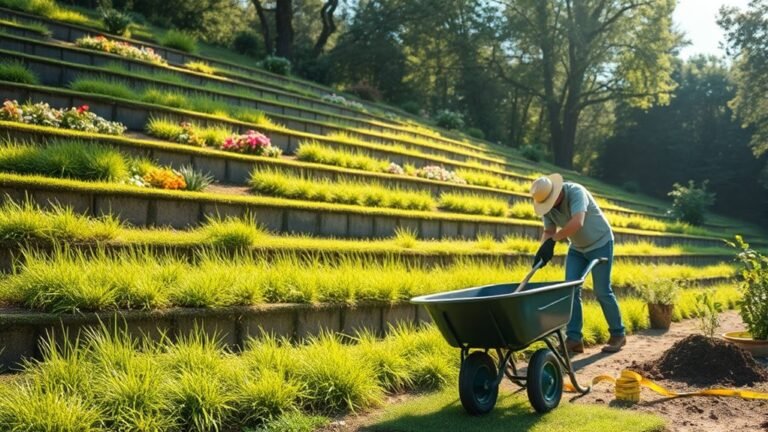
- Terrain and Slope: Uneven or sloped land demands grading or retaining walls, adding both labor and materials expenses.
- Access and Space: Limited access or tight spaces make it harder to bring in equipment and materials, often leading to higher labor fees.
Frequently Asked Questions
How Long Does a Typical Garden Renovation Take?
A typical garden renovation takes about two to four weeks. You’ll need to plan for design, clearing, planting, and construction.
Staying organized and communicating well with your team will keep the process smooth and timely.
Can I Renovate My Garden Myself to Save Money?
Yes, you can renovate your garden yourself to save money. Just be ready to invest time and effort, learn some skills, and carefully plan.
DIY can be rewarding but takes patience and dedication to get good results.
What Permits Are Needed for Garden Renovations?
Before you dig in, you’ll need to check with your local council for permits like fencing, patios, or structures.
Don’t let red tape trip you up—getting approvals early saves headaches and keeps your garden project on track.
How Do Seasonal Changes Affect Renovation Timing?
You’ll find seasonal changes affect renovation timing because certain plants thrive only in specific seasons, and weather conditions like frost or heavy rain can delay work.
Are There Eco-Friendly Options to Reduce Renovation Costs?
You can save a fortune by choosing eco-friendly options! Composting, rainwater harvesting, and native plants cut costs while boosting your garden’s health.
Plus, they reduce waste and water use, making your renovation kinder to the planet.
Conclusion
When you plan your garden renovation, remember these five factors—they’re like the gears of a vintage clock, all working together to set the perfect time. Your garden’s size, materials, design complexity, labor fees, and site conditions each shape the final cost.
Keep these in mind, and you’ll avoid surprises while creating a beautiful space. With careful planning, your garden will flourish without draining your treasure chest. Understanding these factors helps you manage your budget and achieve a stunning garden renovation cost-effectively.