How Do You Get Rid of Moles in the Garden Step by Step?
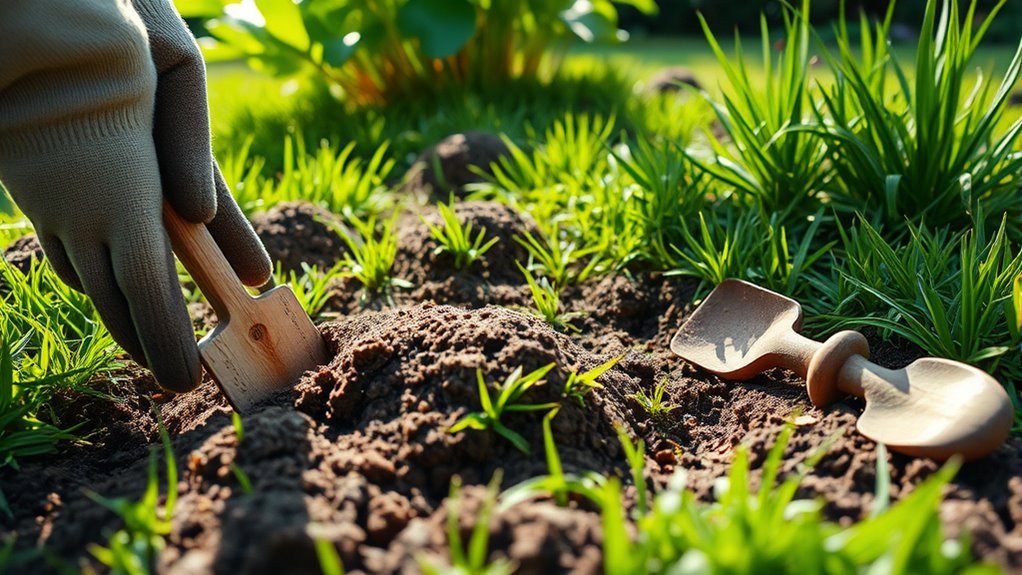
To get rid of moles in your garden effectively, start by identifying active tunnels. Look for fresh, raised ridges and molehills as clear signs of mole activity.
Next, set traps carefully inside these tunnels, making sure to cover them to avoid disturbance. Using natural repellents like castor oil and planting mole-repellent flowers can help deter moles from returning.
Keep your garden clean by removing debris and avoid overwatering to reduce attractants that draw moles in. Regular lawn maintenance is also essential to prevent reinfestation.
Following these steps sets you up for long-term success—here’s how to protect your garden even further.
How to Identify Mole Activity in Your Garden
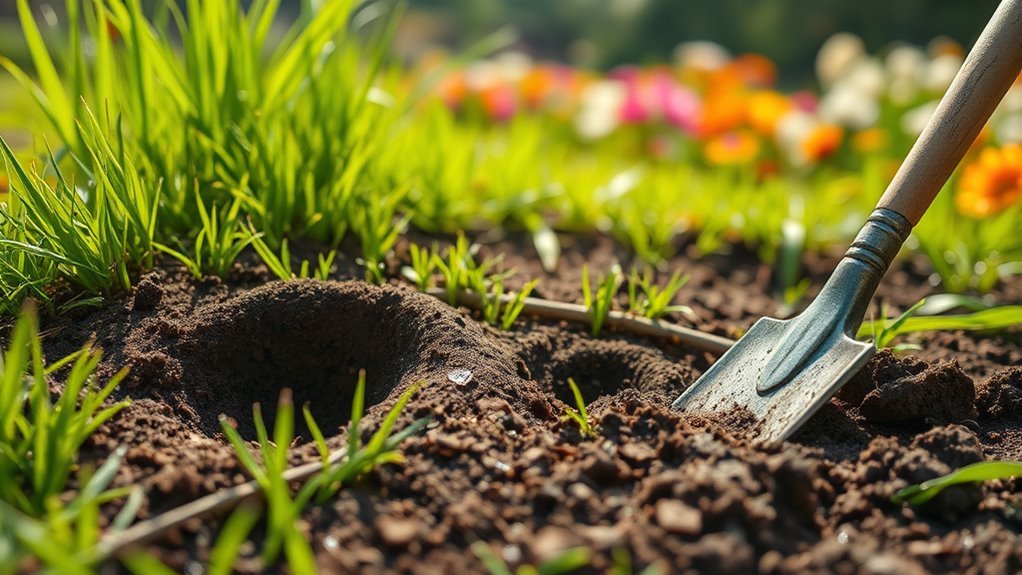
How can you tell if moles have invaded your garden? Look for raised ridges or ridged tunnels just under the surface of your soil. These winding lines are a clear sign moles are digging beneath.
You might also notice small, round mounds of loosened dirt—called molehills—where they’ve pushed soil up while burrowing. If your lawn suddenly feels uneven or spongy underfoot, that’s another clue.
You probably won’t see the moles themselves since they avoid daylight, but their damage is obvious.
Plants may wilt or die because moles disrupt roots. By spotting these signs early, you can confirm mole activity and take action before they cause more harm to your garden’s health and appearance.
Locate Active Mole Tunnels Easily
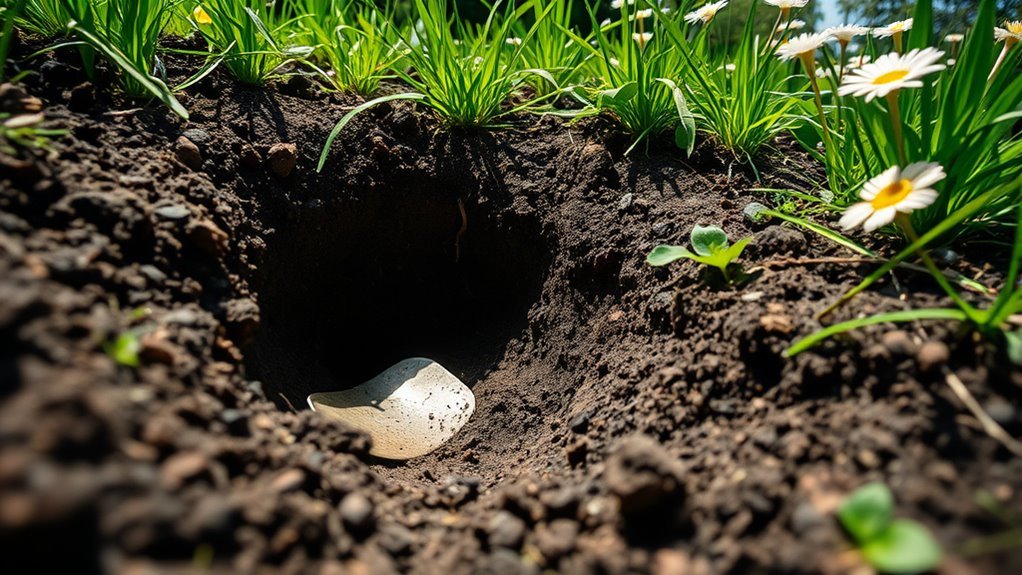
Before you can effectively control moles, you need to pinpoint which tunnels are currently active. Active tunnels are fresh, smooth, and slightly raised, unlike old ones that look collapsed or dry. Walk through your garden early in the morning or after a rain when tunnels are most visible.
Press down on a section of the tunnel with your foot or hand, then check back in 24 to 48 hours. If the tunnel is raised again, it’s active. Focus your efforts on these spots to maximize success.
Avoid wasting time on old, inactive tunnels that moles no longer use.
Why Moles Are Harmful to Your Plants and Lawn
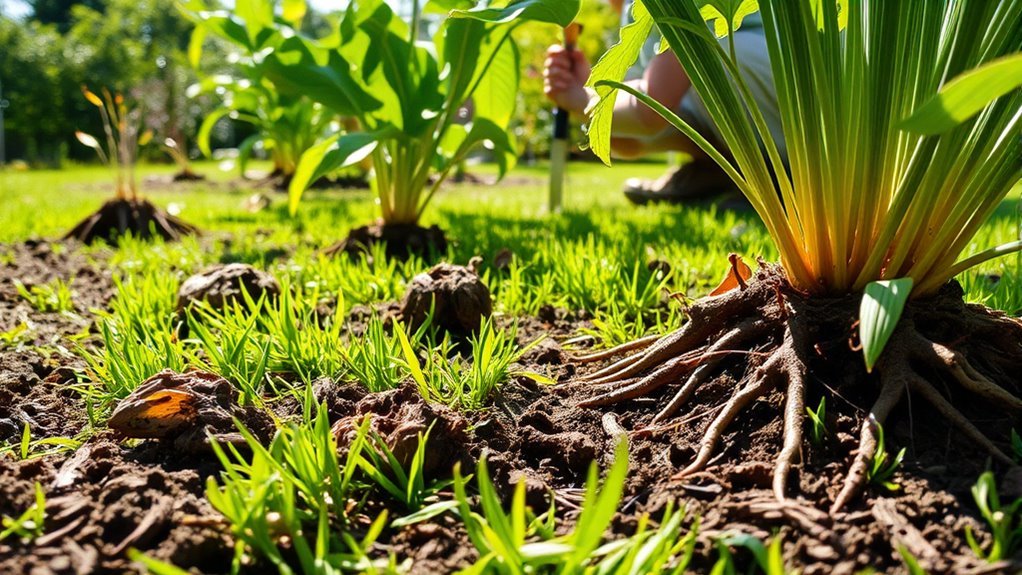
Although moles help control insect populations, they can seriously damage your plants and lawn by creating extensive tunnels that disrupt root systems and cause soil displacement.
Moles control insects but can harm plants by tunneling and disturbing roots and soil.
When moles burrow, they loosen the soil, making it harder for your plants to absorb water and nutrients. This disturbance can stunt growth or even kill delicate plants.
The raised ridges and holes they leave behind also create uneven ground, which can be a tripping hazard and ruin your lawn’s appearance.
In addition, mole tunnels often expose roots to air, drying them out and weakening your plants.
If you notice wilting or patchy grass, moles might be the culprit.
Understanding these risks helps you recognize why it’s essential to address mole problems promptly before they severely impact your garden.
Simple Ways to Prevent Moles From Invading Your Garden
To keep moles from invading your garden, start by maintaining cleanliness to remove their food sources.
You can also try natural repellents that discourage them without harming your plants.
Finally, installing physical barriers creates a strong line of defense they can’t easily cross.
Maintain Garden Cleanliness
Since moles thrive in gardens cluttered with debris and dense vegetation, maintaining cleanliness is key to keeping them away. You should regularly remove fallen leaves, weeds, and grass clippings to reduce hiding spots and food sources.
Trim overgrown plants and keep your garden beds tidy to limit mole activity areas.
Rake the soil surface to disrupt mole tunnels and expose insects, making your garden less appealing. Also, clear away piles of wood, rocks, or compost where moles might find shelter.
By keeping your garden orderly, you minimize the conditions that attract moles and make it harder for them to establish tunnels.
Consistent garden maintenance not only deters moles but also promotes a healthier, more vibrant garden overall.
Use Natural Repellents
When you want to keep moles at bay without harsh chemicals, natural repellents offer a safe and effective solution. You can use simple ingredients that moles find unpleasant, encouraging them to leave your garden alone. Applying these repellents regularly boosts their effectiveness and helps maintain a mole-free space.
| Natural Repellent | How to Use | Effect on Moles |
|---|---|---|
| Castor Oil | Mix with water, spray soil | Irritates mole tunnels |
| Garlic | Crush and bury near mounds | Strong smell repels moles |
| Coffee Grounds | Sprinkle around plants | Disrupts mole scent trails |
| Chili Powder | Dust in molehills | Causes discomfort |
Use these natural options consistently to protect your garden gently and effectively.
Install Physical Barriers
Natural repellents can help keep moles away, but combining them with physical barriers offers stronger protection.
To install a physical barrier, dig a trench around your garden about 2 feet deep. Line the trench with hardware cloth or metal mesh, ensuring the openings are no larger than half an inch.
Bend the bottom of the mesh outward at a 90-degree angle to prevent moles from burrowing underneath.
Backfill the trench with soil, securing the barrier firmly in place.
You can also install underground fencing around flower beds or vegetable patches to keep moles out.
While it requires some effort upfront, this method creates a durable shield that moles can’t easily penetrate, giving your garden lasting defense against these persistent intruders.
How to Set Up Mole Traps Step-by-Step
Although setting up mole traps might seem tricky at first, you can do it effectively by following a few clear steps.
First, identify the active mole tunnels by gently probing the soil with a stick; fresh tunnels will be soft and recently disturbed.
Next, choose an appropriate trap—scissor-jaw or harpoon traps work well.
Carefully open the trap and position it inside the tunnel, ensuring it fits snugly without collapsing the tunnel.
Cover the trap with a board or dirt to block light and prevent disturbances.
Check the traps daily to see if you’ve caught a mole.
Remember to handle traps cautiously and reset them if necessary.
With patience and proper placement, you’ll reduce mole activity in your garden efficiently.
Use Natural Repellents to Deter Moles
Since moles rely heavily on their sensitive noses, you can effectively keep them away by using natural repellents that disrupt their sense of smell. Castor oil is a popular choice; mix it with water and a bit of dish soap, then spray it over your garden. The strong scent irritates moles, encouraging them to leave.
Disrupt moles’ sensitive noses with a castor oil spray to naturally encourage them to leave your garden.
You can also plant mole-repelling plants like daffodils, marigolds, or garlic around your garden’s perimeter.
Another option is to scatter coffee grounds or cayenne pepper in mole tunnels, which creates an uncomfortable environment for them.
These natural methods are safe for your plants and pets, plus they avoid harsh chemicals.
Maintain Your Garden After Removing Moles
After you’ve successfully removed moles from your garden, you’ll need to take steps to restore the soil and protect your plants from future damage. Start by filling in mole tunnels with soil to prevent sun exposure that can dry out roots.
Next, aerate compacted areas to improve drainage and encourage healthy root growth. Add organic compost to replenish nutrients lost during mole activity.
Inspect your plants for damage and prune any broken stems or leaves to promote recovery.
Keep an eye on moisture levels, watering deeply but avoiding overwatering, which attracts pests.
Finally, monitor your garden regularly for signs of new mole activity so you can act quickly if they return. Maintaining your garden this way helps ensure it stays healthy and vibrant after mole removal.
When to Call a Professional for Mole Removal
Keeping a close watch on your garden can help you spot new mole activity early, but some situations call for professional help.
If mole damage becomes extensive, causing significant harm to your plants or lawn, it’s time to call an expert. Also, if your DIY efforts haven’t worked after several attempts, a professional can offer more effective solutions.
When you notice multiple mole tunnels or mounds appearing quickly, this indicates a larger infestation that needs specialized attention.
Additionally, if you’re unsure about handling traps or poisons safely, a professional can manage removal without risk to you or your pets.
Don’t hesitate to reach out when mole problems persist or escalate—getting timely expert help will protect your garden and save you frustration.
Tips for Keeping Your Garden Mole-Free Long Term
To keep your garden mole-free long term, you’ll want to use effective deterrents that make your space less inviting. Staying on top of regular garden maintenance also plays a big role in preventing moles from settling in.
Let’s explore the best strategies to protect your garden for good.
Effective Mole Deterrents
Although moles are persistent, you can protect your garden by using effective deterrents that discourage them from settling in. Start with natural repellents like castor oil, which irritates moles and sends them packing. Ultrasonic devices emit sounds moles dislike, making your garden uncomfortable for them.
Additionally, planting mole-repellent plants such as daffodils or marigolds creates a natural barrier. Here’s a quick look at deterrents and their impact:
| Deterrent Type | Effectiveness | Emotional Relief |
|---|---|---|
| Castor Oil | High | Peace of mind |
| Ultrasonic Devices | Moderate | Reassurance |
| Repellent Plants | Moderate-High | Satisfaction |
Use these tools consistently, and you’ll maintain a mole-free garden without harsh chemicals or traps.
Regular Garden Maintenance
Using deterrents like castor oil and ultrasonic devices can considerably reduce mole activity, but maintaining a mole-free garden requires ongoing care.
You should regularly inspect your garden for new mole tunnels and repair any damaged areas promptly.
Keep your lawn trimmed and remove excess thatch to discourage moles from nesting.
Avoid overwatering, as moist soil attracts earthworms—moles’ favorite food.
Aerate your soil periodically to improve drainage and reduce worm populations naturally.
Planting mole-repellent plants like daffodils or marigolds around your garden’s perimeter can add an extra layer of protection.
Finally, keep your garden free of debris and avoid piling organic matter, which can harbor insects that attract moles.
Consistency in these practices will help you keep your garden mole-free long term.
Frequently Asked Questions
Are Moles Beneficial for the Garden Ecosystem?
Yes, moles can be beneficial for your garden ecosystem. They aerate the soil, improve drainage, and eat harmful insects.
However, their tunneling can damage roots, so you’ll want to manage them carefully.
Can Moles Carry Diseases Harmful to Humans or Pets?
Moles rarely carry diseases harmful to humans or pets, so you don’t need to worry much. They mostly tunnel underground, avoiding contact.
Still, it’s wise to keep pets away from mole tunnels to prevent accidental injuries.
What Time of Year Are Moles Most Active?
You’ll find moles most active in spring and fall when the soil is moist and food is abundant.
During these seasons, they tunnel more frequently, searching for insects and worms, making their presence easier to detect.
Do Moles Prefer Certain Types of Soil?
Moles favor soft, loamy soil—like a painter’s canvas—because it’s easy to dig and teeming with worms.
If your garden’s soil’s dense or rocky, they’re less likely to invade your hidden world beneath the surface.
Can Pets Help in Deterring Moles Naturally?
Yes, pets like dogs or cats can help deter moles naturally. Their presence and scent often make moles avoid your garden, so you can use pets as a natural, non-toxic way to keep moles at bay.
Conclusion
Getting rid of moles in your garden isn’t a one-time fix—it’s like tending a delicate garden path that needs regular care. By spotting their tunnels, setting traps carefully, using natural repellents, and maintaining your garden, you’ll keep those pesky diggers at bay. Stay patient and consistent, and don’t hesitate to call a professional if needed.
With these steps, your garden will stay healthy and mole-free, letting your plants flourish without unwanted visitors. Effective mole control requires persistence and a combination of methods. Remember, a well-maintained garden and timely mole removal are key to protecting your plants and enjoying a beautiful outdoor space.