How to Kill Rats in Your Garden Step by Step
To kill rats in your garden effectively, start by spotting signs like droppings, gnaw marks, or burrows. Identifying these indicators early helps you target the problem before it escalates. Remove food sources such as fallen fruit and secure compost bins to make your garden less attractive to rats.
Seal any gaps in sheds or fences to block entry points and prevent more rats from coming in. Use safe traps baited with peanut butter, placing them along rat paths, and check them regularly to ensure effectiveness. Avoid toxic poisons if you have pets, as these can be harmful to animals and children.
Keep your garden clean and monitor for ongoing rat activity to maintain control. Following these steps sets you up for success, and there’s more to guarantee lasting control.
How To Identify Rats And Signs Of Infestation In Your Garden
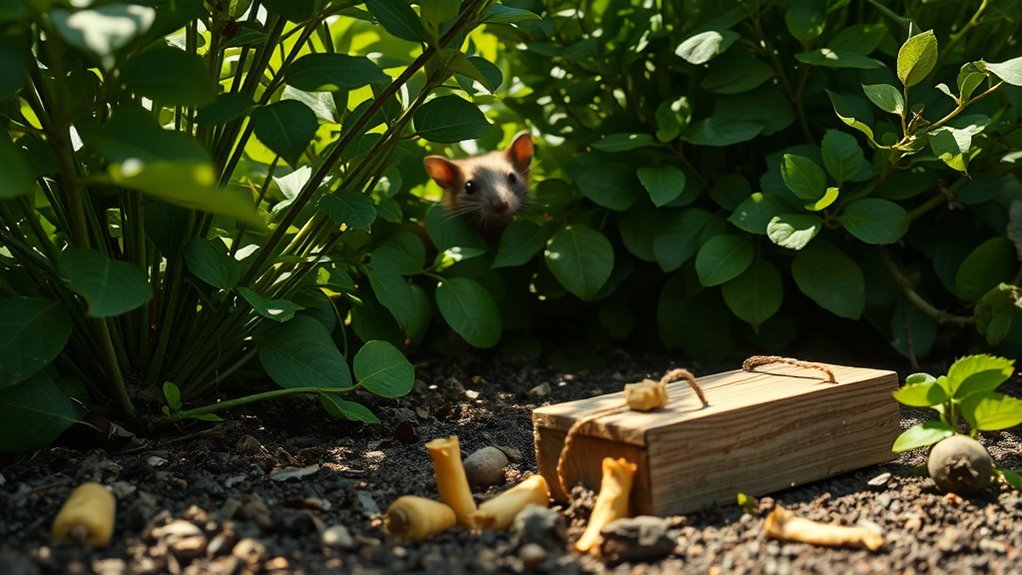
Before you can effectively deal with rats in your garden, you need to recognize their presence. Look for gnaw marks on wooden structures, plants, or garden tools—rats constantly chew to keep their teeth sharp. You might also notice droppings, which are small, dark, and pellet-shaped, scattered near burrows or feeding sites.
Spot gnaw marks and pellet-shaped droppings to identify rats in your garden early.
Listen for scratching or scurrying sounds, especially at night when rats are most active. Check for burrows with smooth, rounded entrances, often hidden under shrubs or piles of debris.
You may also find footprints in soft soil or mud, showing small, clawed prints.
If your garden has damaged fruits or vegetables, rats could be the culprits. Spotting these signs early helps you confirm an infestation before it worsens.
Why Act Quickly To Control Rats
Because rats reproduce rapidly and cause significant damage, you need to act quickly to control their population in your garden. The longer you wait, the worse the problem can get, making it harder to manage and increasing risks to your plants and property.
Acting fast helps you avoid costly repairs and health hazards.
Here’s why quick action matters:
- Prevent structural damage: Rats chew through wires, wood, and irrigation systems, which can be expensive to fix.
- Reduce disease risks: They carry pathogens that can spread to you, your family, and pets.
- Stop rapid population growth: A single pair of rats can produce dozens of offspring in a short time.
Taking immediate steps keeps your garden safe and manageable.
How To Make Your Garden Less Attractive To Rats
To keep rats away, you’ll want to remove any food sources like fallen fruit or pet food.
You should also eliminate hiding spots by clearing dense shrubs and debris.
Keeping your garden clean and tidy makes it less inviting for rats to settle in.
Remove Food Sources
How can you make your garden less appealing to rats? Start by removing their food sources so they’re less tempted to stick around. Rats are always on the lookout for an easy meal, so cutting off their supply is key.
Here’s what you can do:
- Store pet food and birdseed in sealed containers to keep rats from snacking.
- Pick up fallen fruits and vegetables promptly to prevent rats from feasting on leftovers.
- Secure your compost bin with a tight lid and avoid adding meat or greasy scraps that attract pests.
Eliminate Hiding Spots
When you clear away clutter and dense vegetation, you reduce the places rats can hide and nest. Start by trimming overgrown bushes, removing piles of wood, and clearing fallen leaves.
Keep garden beds tidy and avoid letting weeds grow wild. This makes your garden less inviting to rats looking for shelter.
| Problem Area | Action | Result |
|---|---|---|
| Overgrown bushes | Trim regularly | Less coverage for rats |
| Wood or debris piles | Remove or relocate | Fewer nesting spots |
| Dense ground cover | Thin or eliminate | Open space deters rats |
Maintain Garden Cleanliness
Although clearing hiding spots is essential, maintaining garden cleanliness plays an equally important role in deterring rats. You want to make your garden as unappealing to these pests as possible.
Start by removing fallen fruits, vegetables, and debris regularly. Rats are attracted to easy food sources, so keeping the ground clear cuts down their interest.
Next, secure your compost bin tightly to prevent rats from scavenging. Finally, trim back overgrown plants and bushes to eliminate cover that rats use to hide and travel undetected.
Here are three key actions to maintain cleanliness:
- Clear fallen produce and garden waste frequently
- Use sealed compost bins or remove compost if rats persist
- Keep plants trimmed to reduce dense hiding spots
How To Choose Safe Rat Control Methods
Since your garden is a space you want to keep safe for your family and pets, you need to pick rat control methods that minimize risks to them and the environment. Choose non-toxic options like live traps or natural repellents made from essential oils. Avoid harmful poisons that can accidentally poison pets or wildlife.
Look for products labeled pet-safe and eco-friendly. You should also consider physical barriers, such as sealing entry points, to prevent rats from entering your garden.
Before using any method, research its safety and effectiveness.
How To Set Up Rat Traps Step By Step
Choosing safe and effective rat control methods is just the start—you’ll need to set up your traps correctly to catch rats successfully.
First, place traps along rat pathways, such as garden edges or near burrows, where you notice activity.
Next, bait your traps with attractive food like peanut butter, dried fruit, or nuts to lure them in.
Finally, position traps perpendicular to walls with the trigger side facing the wall since rats tend to run close to surfaces.
Here’s a quick checklist to help you set up your traps:
- Scout areas for signs of rats to find the best placement spots
- Use small amounts of bait so rats can easily take it without suspicion
- Check traps daily and reset or remove caught rats promptly to maintain effectiveness
Proper setup improves your chances of controlling rats efficiently.
How To Use Natural Rat Repellents In Your Garden
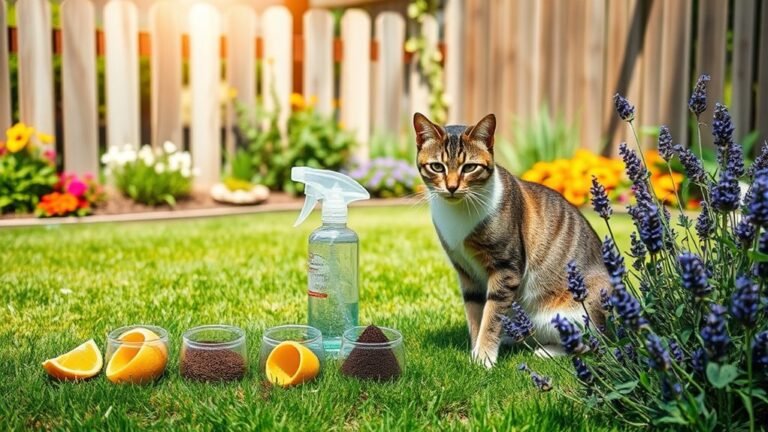
If you want to keep rats away without using traps or chemicals, natural repellents offer a safe and eco-friendly solution. Start by planting strong-smelling herbs like mint, lavender, and rosemary around your garden’s perimeter. Rats dislike their scent and will avoid areas where these herbs grow.
You can also sprinkle crushed garlic, pepper flakes, or cayenne pepper near entry points or burrows.
Another effective method is using predator scents, such as placing used cat litter or commercial coyote urine around your garden to create the illusion of danger.
Remember to refresh these natural repellents frequently, especially after rain, to maintain their effectiveness.
Using Rat Poison Safely Around Pets And Plants
When using rat poison, pick products that won’t harm your pets and keep them out of reach. You’ll also want to safeguard your plants by avoiding direct contact with the bait.
Placing poison in secure, hidden spots guarantees it targets rats without risking your garden or furry friends.
Choosing Pet-Safe Poisons
Because your garden is a shared space with pets and wildlife, you’ll want to pick rat poisons that minimize risks to them. Choose products specifically labeled as pet-safe or those with low toxicity to domestic animals. Always read the label carefully to understand application guidelines and precautions.
Here are some tips to help you select the safest options:
- Opt for bait stations that prevent pets from accessing the poison directly.
- Use anticoagulant poisons designed to break down quickly, reducing long-term exposure.
- Select natural alternatives like vitamin D3-based baits, which are less harmful to pets.
Protecting Garden Plants
To keep both your garden plants healthy and your pets safe, you need to apply rat poison carefully around your vegetation. Avoid scattering poison directly on plants, as it can damage them or be ingested by curious pets.
Instead, use bait stations or containers to limit exposure. Always place poisons away from edible plants and water sources.
| Safety Tip | Reason |
|---|---|
| Use sealed bait stations | Prevents pets and wildlife exposure |
| Avoid contact with roots | Protects plant health |
| Place away from edible crops | Prevents contamination |
| Monitor regularly | Ensures poison is intact and secure |
Proper Bait Placement
Although placing rat poison in your garden requires caution, you can keep pets and plants safe by choosing secure, strategic bait locations. First, position bait stations in areas rats frequent but are out of reach from curious pets and children. Avoid placing poison near edible plants or where rain can wash it away, reducing effectiveness and increasing risk.
Use tamper-resistant bait boxes to prevent accidental access and keep the poison contained.
To guarantee safe bait placement:
- Place bait along walls or near burrow entrances where rats travel.
- Keep bait elevated or enclosed to avoid contact with pets.
- Regularly inspect and replace bait to maintain control and safety.
How To Monitor And Maintain Your Garden After Rat Control
Once you’ve eliminated the rats, you’ll need to keep a close eye on your garden to prevent a new infestation. Regularly inspect for signs like droppings, gnaw marks, or burrows. Check traps and bait stations frequently, removing any caught rats promptly to avoid attracting predators.
Maintain your garden by trimming overgrown vegetation and removing debris where rats could hide. Secure compost bins and seal entry points to sheds or storage areas. Keep pet food and birdseed stored in airtight containers.
Water sources should also be managed to reduce attraction. By staying vigilant and maintaining a clean, organized environment, you’ll minimize the chances of rats returning.
Consistent monitoring is key to protecting your garden’s health and keeping it rat-free.
When To Call A Professional For Rat Infestations
Keeping a close watch on your garden helps catch early signs of rats, but sometimes the problem can grow beyond what you can handle on your own. When infestations become severe or persistent, it’s time to call a professional. They’ve the expertise and tools to deal with rats safely and effectively.
Consider reaching out to a professional if you experience:
- Multiple rat sightings despite your control efforts
- Signs of rats inside your home or outbuildings
- Damage to electrical wiring, plants, or stored food
Don’t wait too long, as rats multiply quickly and can cause serious damage. A professional can assess the situation and implement a targeted plan, saving you time and frustration while protecting your garden and property.
Garden Maintenance Tips To Prevent Future Rat Problems
To keep rats from coming back, you need to remove any food sources like fallen fruit or open compost.
Make sure your garden structures, such as sheds and fences, are secure and free of gaps where rats can enter.
Taking these steps will help you maintain a rat-free garden.
Remove Food Sources
Although rats can survive on various foods, you can substantially reduce their presence by eliminating easy access to edible materials in your garden.
Start by removing fallen fruits and vegetables promptly, as they attract rodents looking for a quick meal.
Next, secure your compost bins with tight-fitting lids to prevent rats from feasting on organic waste.
Finally, keep pet food indoors or stored in sealed containers, especially overnight.
Here are three key steps to remove food sources effectively:
- Pick up fallen produce daily to deny rats easy meals.
- Use rodent-proof compost bins to block access.
- Store pet food in airtight containers and avoid leaving it outside.
Secure Garden Structures
When you secure your garden structures, you cut off rats’ access to safe nesting spots and hiding places. Start by sealing gaps in sheds, greenhouses, and compost bins with metal mesh or caulk. Keep woodpiles elevated and away from walls to discourage nesting.
Check fences and gates for holes and repair them promptly. Secure lids on trash cans to eliminate easy food sources nearby.
| Structure | Action to Secure |
|---|---|
| Shed | Seal gaps with metal mesh |
| Woodpile | Elevate and space from walls |
| Compost Bin | Use tight-fitting lids |
Frequently Asked Questions
Can Rats Transmit Diseases to Humans Through Garden Soil?
Yes, rats can transmit diseases to you through garden soil contaminated with their urine or droppings.
You should always wear gloves and wash your hands thoroughly after gardening to reduce the risk of infection.
What Plants Naturally Attract Rats to a Garden?
You’ll find rats naturally attracted to plants like sunflowers, corn, and fruit-bearing bushes because they offer easy food and shelter.
Avoid these if you want to keep rats away from your garden.
How Long Does It Take to Completely Eliminate Rats From a Garden?
It usually takes a few weeks to completely eliminate rats from your garden, depending on infestation size and control methods.
Stay consistent with traps and sanitation, and you’ll see a significant reduction within that time.
Are Ultrasonic Devices Effective at Repelling Garden Rats?
You’d think blasting ultrasonic waves would send rats packing, but they barely flinch.
You can’t rely on these devices alone—they’re more background noise than a real rat eviction notice in your garden.
Can Rats Damage Underground Irrigation Systems?
Yes, rats can damage underground irrigation systems by chewing through pipes and tubing.
You’ll want to inspect regularly for leaks or blockages and consider protective measures to prevent costly repairs and water waste in your garden.
Conclusion
Dealing with rats in your garden is urgent—did you know a single pair can produce up to 2,000 offspring in a year? That’s why acting fast and using safe, effective control methods is key. Keep your garden clean, set traps carefully, and monitor regularly to prevent reinfestation.
If it feels overwhelming, don’t hesitate to call a professional. With consistent effort, you’ll protect your garden and enjoy a pest-free outdoor space. Remember, effective rat control in your garden requires patience and persistence for the best results.