10 Effective Tips to Stop Foxes in Your Garden
To keep foxes out of your garden, start by removing all food sources. Secure trash cans, clear fallen fruit, and take away pet food after feeding. This helps make your garden less inviting for foxes.
Next, trim dense vegetation and seal any entry points to reduce shelter options. Installing tall fences with buried chicken wire can also block access effectively.
You can try natural repellents like chili powder or citrus peels to keep foxes at bay.
Setting up motion-activated lights and sprinklers is a great way to startle them and discourage visits.
If foxes keep coming back, combining these methods works best.
There’s plenty more to explore for a fox-free yard, so don’t give up—your garden can be a safe, fox-free zone!
Key Takeaways
- Secure trash cans and remove pet food promptly to eliminate food sources that attract foxes. This simple step can make a big difference. Foxes are less likely to visit if there’s nothing tasty around.
- Trim dense vegetation and clear clutter to reduce shelter and hiding spots in your garden. Keeping things tidy makes your space less inviting. Foxes prefer places where they can stay hidden and safe.
- Install tall fences with buried wire mesh and coyote rollers to prevent climbing and digging. These barriers work well to keep foxes out. It’s all about making your garden tough to get into.
- Use repellents like chili powder, citrus peelings, and motion-activated lights or sprinklers to deter foxes. These tricks can surprise and discourage them. Plus, they’re easy to try around your garden.
- Employ hazing techniques and consider professional help if foxes persist despite multiple deterrents. Sometimes, foxes need a little extra persuasion. Don’t hesitate to get experts involved if needed.
Remove All Food Sources to Deter Foxes
Because foxes are attracted to easy meals, you should remove all food sources from your garden to keep them away. Start by securing trash cans with tight-fitting lids to prevent foxes from rummaging through food waste.
Make it a habit to clean up fallen fruits promptly, as they provide an irresistible snack. Don’t forget to remove pet food bowls after feeding to avoid leaving out an open invitation.
Also, check compost bins and verify they have secure lids so foxes can’t access organic waste. Regularly inspect sheds and outdoor feeding areas to eliminate hidden food sources.
Clear Dense Vegetation and Potential Shelter Areas
Trimming back dense vegetation and overgrown shrubs is one of the most effective ways to discourage foxes from making your garden their home. You should clear dense vegetation regularly to reduce shelter areas where foxes can hide or build dens.
Regularly trimming dense shrubs helps eliminate hiding spots, discouraging foxes from settling in your garden.
Remove clutter such as leaf piles, wood, or debris that provide additional cover. It’s important to block access to crawl spaces and under decks by sealing openings with sturdy materials.
Also, clear away fallen fruits, nuts, and other potential food sources that attract foxes. To further deter them, consider planting prickly or thorny plants like holly or rose bushes.
These natural barriers make your garden less appealing and harder for foxes to enter. Taking these steps helps keep your garden less inviting to foxes.
Install Fox-Proof Fencing and Barriers (Include Chicken Wire)
To keep foxes out of your garden, install fencing that stands at least 6 to 8 feet tall. Foxes are skilled jumpers, so height really matters.
Use galvanized wire mesh with a grid diameter no larger than 3 inches. Make sure to bury it 12 inches deep to stop foxes from digging under.
Don’t forget to incorporate chicken wire to secure compost heaps and rubbish bins tightly. This helps eliminate any access points they might find.
Adding coyote rollers on top of fences can give your fox-proof barriers an extra layer of protection. It makes climbing over much harder for those clever foxes.
| Barrier Component | Purpose |
|---|---|
| Tall Fence (6-8 ft) | Prevent jumping |
| Buried Wire Mesh | Stop digging under |
| Small Mesh Size | Block squeezing through |
| Chicken Wire | Secure compost and bins |
| Coyote Rollers | Prevent climbing over fence |
Together, these steps really help keep foxes from invading your garden.
Apply Natural Scent-Based Fox Repellents
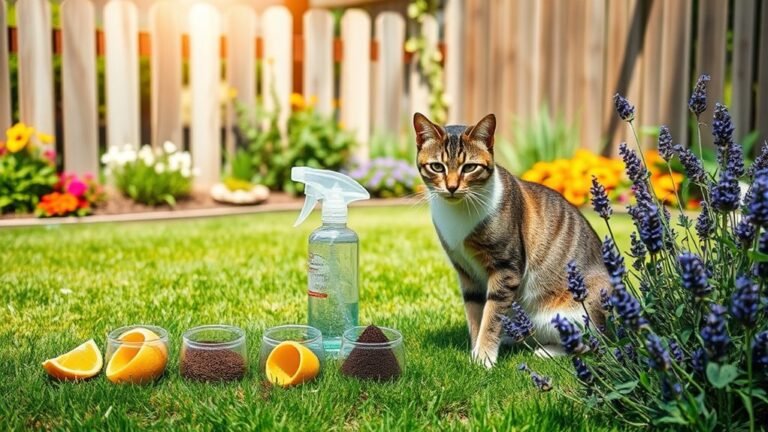
Three natural scents stand out for keeping foxes at bay in your garden: chili powder mixed with garlic, citrus peelings, and coyote urine. These natural methods rely on a strong smell that foxes find unpleasant, making them effective fox repellents.
To apply scent-based deterrents effectively, here’s what you can do:
- Sprinkle chili powder mixed with crushed garlic around entry points to create a strong, repellent barrier.
- Scatter citrus peelings like orange or lemon around vulnerable garden areas.
- Use coyote urine sparingly, and make sure to renew it regularly to keep its potency.
- Rotate scents, including vinegar or peppermint, so foxes don’t get used to just one smell. It really helps keep them guessing!
Set Up Motion-Activated Lights and Sprinklers
Although foxes are naturally curious, sudden bursts of light and unexpected sprays of water can quickly discourage them from lingering in your garden. Setting up motion-activated motion lights near entry points can startle foxes with sudden brightness, making your garden less inviting.
Pair these with motion-activated sprinklers to create an unpredictable environment. When foxes trigger the sprinklers, the harmless spray encourages them to leave immediately.
To deter foxes effectively, position both devices strategically around areas they frequent. Regularly check and maintain your motion lights and sprinklers to guarantee they work properly, keeping your garden protected over time.
Using these motion-activated tools together offers a reliable, low-maintenance way to deter foxes without harm. This helps preserve your garden’s safety and peace.
Use Dogs to Deter Foxes Safely
If you have a larger dog like a German Shepherd or Labrador, their size alone can help keep foxes away. Having your dog outside regularly sends a clear signal that the yard isn’t safe for foxes.
Just be sure to watch smaller dogs closely, as they might attract unwanted attention. It’s all about keeping things safe and making sure your furry friend stays out of trouble.
Dog Size Impact
Using larger breed dogs like German Shepherds or Rottweilers can noticeably deter foxes from your garden. Their dog size impact creates a strong deterrent effect, as foxes tend to avoid areas where these bigger dogs roam.
Smaller dogs, however, might attract foxes since they can be mistaken for prey. This reduces their ability to keep foxes away. In urban areas, the presence of larger breed dogs signals danger to foxes, encouraging them to steer clear.
To maximize this effect, consider the following:
- Choose larger breed dogs to patrol your yard regularly.
- Supervise your dogs outdoors for safety and effectiveness.
- Encourage active movement and occasional barking.
- Avoid relying on small dogs as deterrents.
This approach helps keep foxes away safely and effectively. It’s a simple way to protect your garden without much hassle.
Outdoor Dog Presence
When you keep larger dogs outdoors regularly, their presence alone can discourage foxes from venturing into your garden. Larger dog breeds like German Shepherds or Rottweilers create a natural deterrent effect due to their size and confidence.
You’ll notice that an active outdoor dog presence—dogs patrolling or barking—amplifies this effect, making your garden less inviting to foxes. However, to maintain a safe environment, it’s essential to guarantee your dogs are securely fenced.
This prevents them from chasing or harming wildlife while still keeping foxes at bay. Avoid using small dogs, as they might attract foxes instead.
Use Ultrasonic Devices to Keep Foxes Away
You can use ultrasonic devices to keep foxes away by emitting high-frequency sounds that only they can hear. These devices often have motion sensors, which is pretty handy.
But their effectiveness really depends on where you place them and making sure you keep up with regular maintenance. It’s not just set and forget, you know?
Also, keep in mind that these devices work best when you combine them with other methods. That way, you can protect your garden fully and keep those foxes at bay.
How Ultrasonic Devices Work
Although foxes can be persistent visitors, ultrasonic devices offer a discreet way to keep them at bay by emitting high-frequency sounds that bother foxes but remain inaudible to you.
These fox deterrents use motion sensors to activate only when a fox approaches, enhancing effectiveness while conserving energy.
To get the most out of ultrasonic devices and keep foxes away efficiently, follow these steps:
- Position devices strategically to avoid physical obstacles that block sound waves.
- Regularly check batteries to maintain consistent operation.
- Clear pathways around the device for unobstructed sound emission.
- Combine ultrasonic devices with other fox deterrents for better results.
Limitations And Considerations
Since ultrasonic devices rely on high-pitched sounds that foxes find unpleasant, their effectiveness depends heavily on proper placement and environmental conditions. When using ultrasonic devices for fox control, you need to take into account factors like wind, obstacles, and fox habituation.
Though they’re an effective way to keep foxes at bay, these devices have limitations and considerations you can’t ignore. Here’s a quick overview:
| Factor | Impact on Effectiveness |
|---|---|
| Wind Direction | Sound may be carried away or blocked |
| Obstacles | Fences/shrubs can block sound |
| Motion Sensors | Targeted activation saves battery |
| Fox Habituation | Foxes might ignore constant noise |
| Maintenance | Regular repositioning needed |
To repel foxes effectively, use ultrasonic devices alongside other methods for best results. It’s always better to combine strategies to keep those clever foxes away.
Employ Hazing Techniques Like Lights and Noise
When foxes venture into your garden, motion-activated lights and noisemakers can startle them and send them running. These hazing techniques deter foxes by creating sudden, unexpected stimuli they want to avoid.
To maximize their effectiveness, consider these tips: Use motion-activated lights to create sudden brightness that surprises foxes. Employ noisemakers like rattling pots or air horns to scare foxes away.
Combine lights and noise for an unpredictable environment that foxes dislike. Also, change the timing or pattern regularly to prevent foxes from getting used to the deterrents.
Protect Compost and Bins With Chicken Wire
To keep foxes from raiding your compost and bins, secure them with chicken wire. This creates a strong barrier that blocks access to food scraps, which is key to deterring foxes from your garden.
Bury the chicken wire 6 to 12 inches deep to prevent foxes from digging underneath. Choose a grid size no larger than 3 inches to stop young foxes from squeezing through.
Make certain the wire is tightly fastened to bin sides to avoid it being pushed aside. Don’t forget to regularly inspect the chicken wire for any damage or gaps and repair them promptly.
Consistent maintenance guarantees your compost and bins stay protected, effectively blocking access and keeping foxes away. It’s a simple step that can save you a lot of trouble!
When to Call Professional Fox Control
Securing your compost and bins with chicken wire can greatly reduce fox visits, but sometimes these clever animals find other ways in. When foxes persist despite your efforts, it’s time to seek professional help.
A local animal control agency or pest control expert can assess the situation and recommend humane removal methods. Consider calling for professional fox control if you:
- Notice repeated fox entries despite deterrents.
- Observe signs of illness or unusual behavior in foxes.
- Live in an area with strict regulations on fox relocation.
- Experience ongoing safety or peace disruptions caused by foxes.
Frequently Asked Questions
What Do Foxes Hate the Most in the Garden?
Foxes hate strong, pungent smells like chili, garlic, and citrus in your garden. You’ll also find they dislike coyote urine and prickly plants. Using barriers and motion-activated devices can effectively keep them away.
What Happens to Foxes in October?
You might think foxes disappear in October, but they actually get busier, foraging to build fat and marking territory as breeding starts. Their cubs explore more, and they dig dens to prepare for winter’s chill.
How Do You Permanently Get Rid of Foxes?
You can’t permanently get rid of foxes, but you can deter them by securing food, installing tall fences with buried mesh, using scent repellents, removing shelters, and employing ultrasonic devices to make your garden unattractive and uncomfortable.
What Are Foxes Most Afraid Of?
Foxes are most afraid of strong, unfamiliar scents like citrus peels, garlic, and chili powder. They also fear loud noises, sudden movements, larger dogs, physical barriers, and ultrasonic devices that disrupt their territory and comfort.
Conclusion
By following these tips, you’ll keep foxes from turning your garden into their playground. Remember, an ounce of prevention is worth a pound of cure—so don’t wait until foxes have made themselves at home.
Remove food sources, secure your compost, and use barriers and repellents to make your garden less inviting. These simple steps can make a big difference in keeping foxes away.
With a little effort now, you’ll enjoy a peaceful, fox-free outdoor space all year round. Taking proactive measures to stop foxes in your garden means you can protect your plants and maintain a safe environment for your family and pets. So, start implementing these effective tips today and say goodbye to unwanted fox visitors for good!