What Is a South Facing Garden and How to Maximize Its Potential
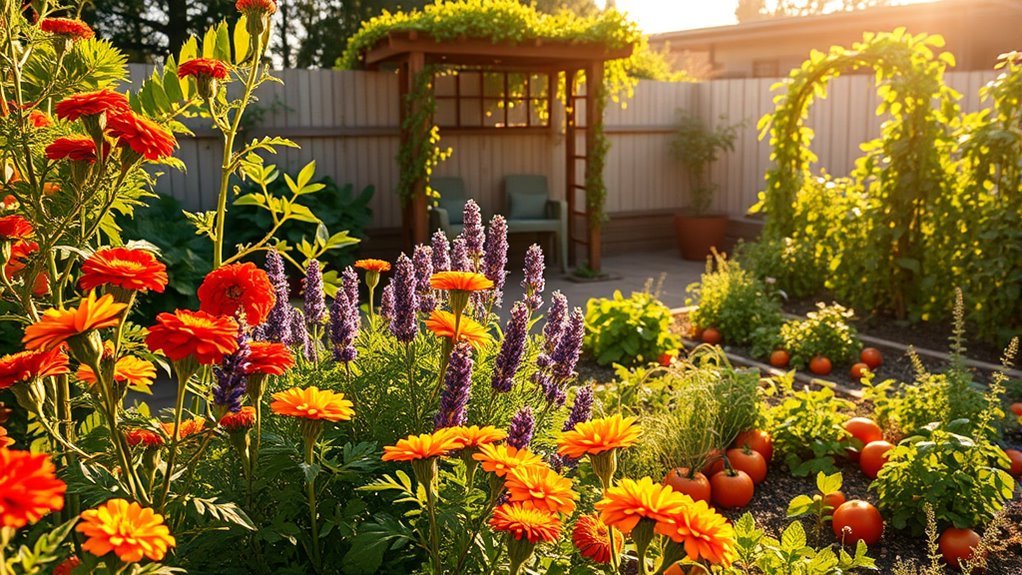
A south facing garden receives the most sunlight throughout the day, making it an ideal space for growing sun-loving plants like tomatoes, lavender, and succulents. This exposure creates a warm, bright environment that supports vibrant plant growth and enhances outdoor living areas. Understanding how to maximize the potential of a south facing garden is key to creating a thriving and beautiful space.
You can maximize its potential by placing taller plants on the northern side to avoid shading smaller plants. Using mulch helps retain soil moisture, while adding reflective surfaces can boost the amount of light reaching your plants. Thoughtful watering and layering different types of plants help balance heat and dryness effectively.
Keep exploring to discover clever design ideas and care tips that will help your south facing garden thrive all year round. With the right approach, your garden can become a lush, sun-filled retreat that flourishes through every season.
What Makes a South Facing Garden So Sunny and Special
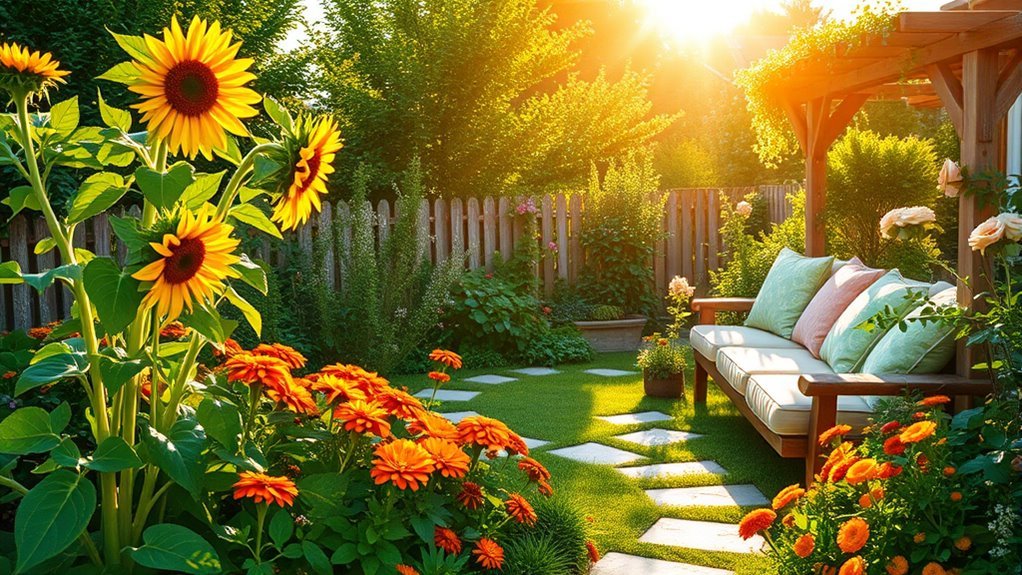
Because a south facing garden receives sunlight for most of the day, it stands out as one of the brightest and warmest garden orientations. You’ll notice it gets ample light from morning until evening, thanks to the sun’s path across the southern sky.
This consistent exposure means your garden warms up quickly, extending growing seasons and reducing frost risks.
Plus, the longer sunlight hours encourage healthy plant growth and vibrant blooms. The warmth also makes it an inviting space for outdoor activities, letting you enjoy your garden even in cooler months.
You’ll find that this natural light and heat create an ideal environment not only for plants but also for relaxing and entertaining, making your south facing garden truly special.
Which Plants Thrive Best in South Facing Gardens
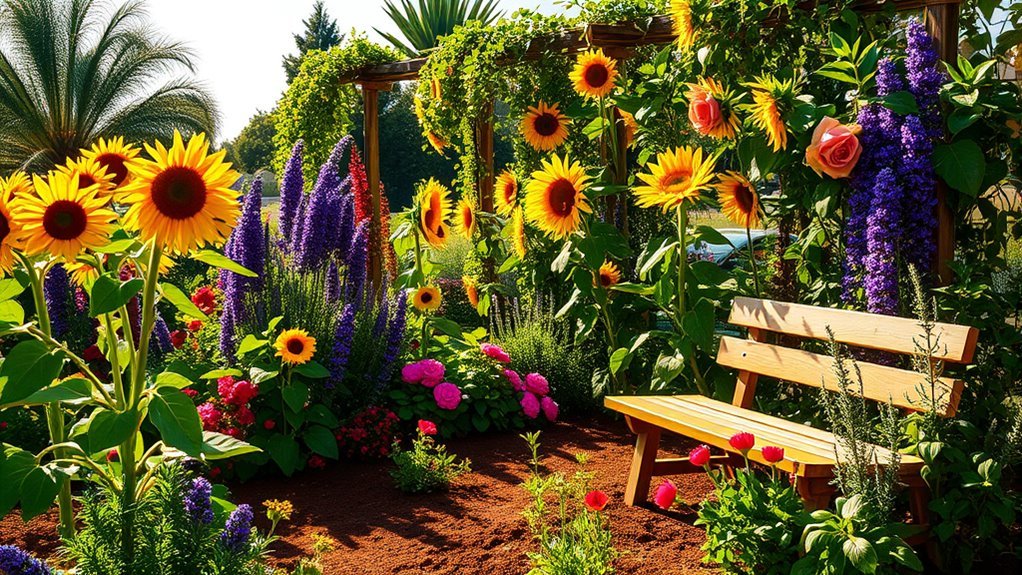
When you have a south facing garden, you can choose plants that love full sun and warmth to make the most of your space. Mediterranean herbs like rosemary, lavender, and thyme thrive here, enjoying the bright light.
Sun-loving flowers such as marigolds, geraniums, and sunflowers will add vibrant color and flourish in your garden.
Succulents and cacti are excellent choices too, as they handle intense sunlight well.
Tomatoes, peppers, and other heat-loving vegetables will produce abundant crops in this environment.
You might also consider fruit bushes like blackberries and raspberries, which benefit from the extended sun exposure.
Managing Heat and Dryness in South Facing Gardens
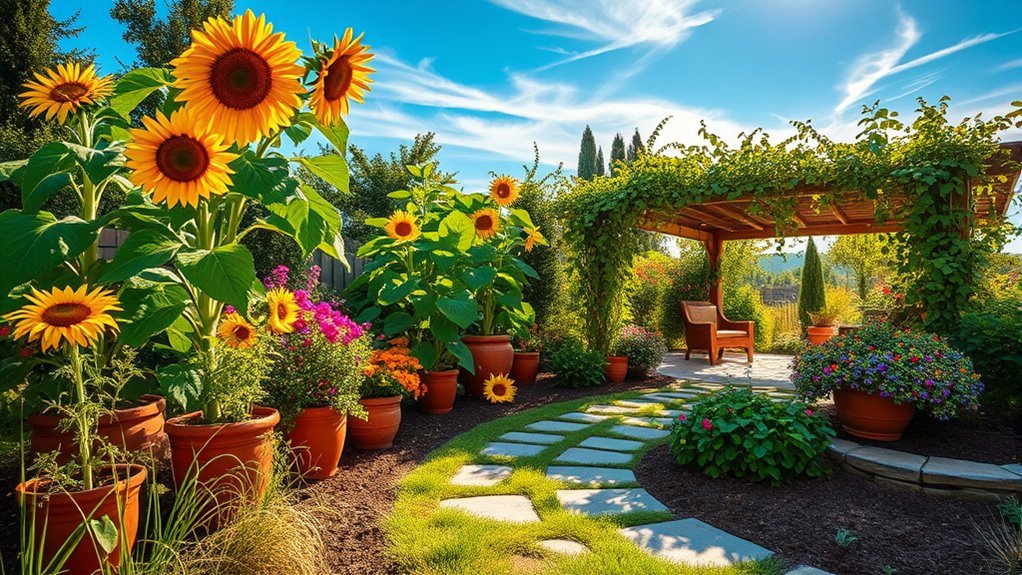
Although south facing gardens soak up plenty of sunlight, they often face challenges with heat and dryness that can stress plants. You’ll need to be proactive to keep your garden thriving.
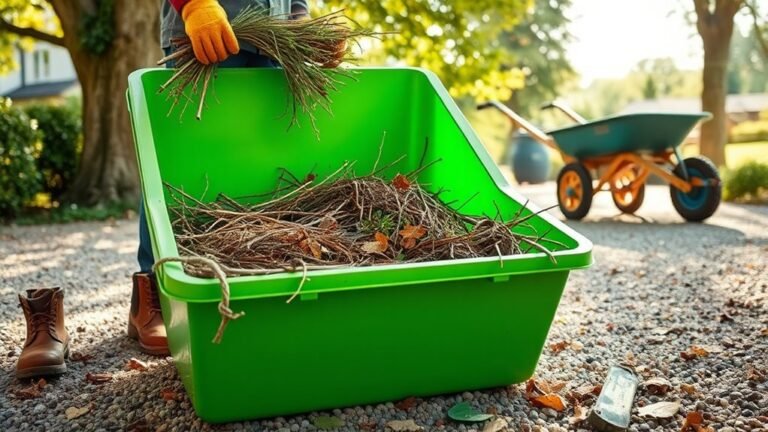
Start by mulching around plants to retain moisture and reduce soil temperature.
Mulching around plants helps lock in moisture and cools the soil for healthier growth.
Water deeply but less frequently to encourage strong root growth, ideally in the early morning or late evening to minimize evaporation.
Consider adding shade elements like pergolas or shade cloth during the hottest parts of the day to protect vulnerable plants.
Choose drought-tolerant species and group plants with similar water needs together.
Finally, improve soil quality by incorporating organic matter, which helps it retain moisture better.
With these steps, you can manage heat and dryness effectively and keep your south facing garden flourishing.
Troubleshooting Common South Facing Garden Problems
You’ll often face challenges like managing too much sunlight and preventing soil from drying out in your south facing garden. These issues can stress your plants if you don’t address them quickly.
Let’s look at practical ways to troubleshoot and keep your garden thriving.
Managing Excessive Sunlight
Because south-facing gardens receive intense, direct sunlight for most of the day, managing excessive heat and light becomes essential to protect your plants and maintain a balanced environment. You can use shade cloths or strategically place taller plants to create natural shade, reducing the harsh impact of midday sun.
Installing pergolas or garden umbrellas also offers flexible shading options that you can adjust as needed.
Additionally, reflective surfaces can amplify sunlight, so consider using matte finishes on garden furniture or walls to avoid overheating. Keep a close eye on your plants for signs of sunburn like scorched leaves or wilting, and adjust your shading methods accordingly.
Preventing Soil Dryness
Managing intense sunlight helps protect your plants, but it also means the soil can dry out quickly in a south-facing garden. To prevent this, water your plants deeply and early in the morning to reduce evaporation. Mulching around plants creates a barrier that locks in moisture and keeps the soil cool.
Choose drought-tolerant plants that thrive in dry conditions, so you won’t have to water as often. Improve soil structure by adding organic matter like compost, which helps retain moisture better. Avoid over-tilling, as it can break down soil and increase dryness.
Finally, consider installing drip irrigation to deliver water directly to roots efficiently. Taking these steps will keep your soil moist and healthy, so your garden flourishes despite the sun’s intensity.
Design Tips for Year-Round Success in South Facing Gardens
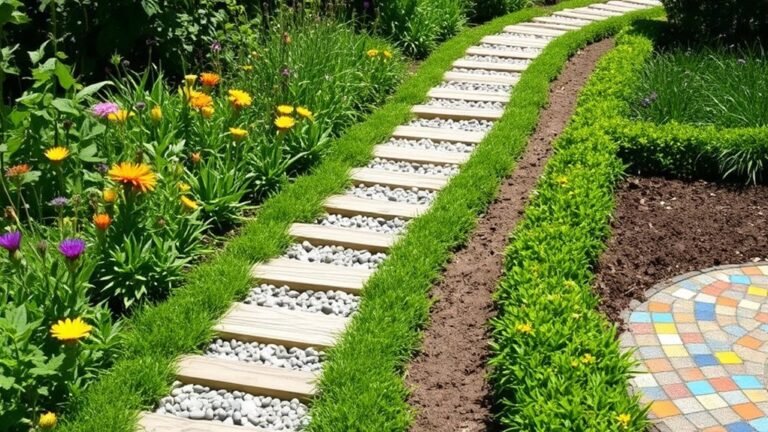
When planning a south facing garden, consider how sunlight shifts throughout the year to keep your plants thriving in every season. Position taller plants or structures on the northern side to avoid shading smaller ones. Use reflective surfaces like light-colored walls or gravel to bounce sunlight onto your plants during shorter days.
Incorporate a mix of perennials and annuals to maintain visual interest year-round.
Install raised beds to improve drainage and soil warmth, benefiting root growth. Plan pathways and seating areas where you can enjoy the sun during cooler months but still gain some shelter when it’s warmer.
Finally, choose drought-tolerant plants alongside moisture-loving varieties to adapt to seasonal changes, ensuring your garden looks vibrant no matter the time of year.
Balancing Intense Sunlight With Shade and Shelter in South Facing Gardens
You’ll want to manage sun exposure carefully to keep your garden comfortable and healthy. Creating cool retreats with shade structures or trees can offer relief during the hottest parts of the day.
Using protective plantings also helps shield delicate areas from intense sunlight while adding visual interest.
Managing Sun Exposure
South facing gardens receive up to six hours more direct sunlight daily than other orientations, which can both benefit and challenge your plants. To manage this intense sun exposure, you’ll want to strategically incorporate shade elements like pergolas, retractable awnings, or shade sails. Use these to protect delicate plants during the hottest midday hours without blocking all sunlight.
Consider planting taller shrubs or trees on the garden’s west side to provide afternoon shade, reducing heat stress. Mulching around plants also helps retain soil moisture and keep roots cool. Regularly monitor your garden for signs of sunburn or dehydration, adjusting shade and watering as needed.
Creating Cool Retreats
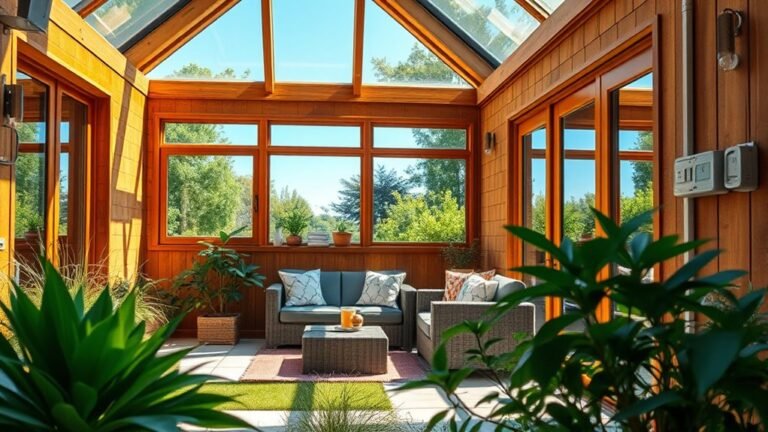
How can you transform a sun-drenched garden into a cool, inviting retreat? Start by introducing shaded zones using structures like pergolas, awnings, or umbrellas to provide instant relief from intense sunlight. Position seating areas under these shelters to create comfortable spots for relaxation.
Incorporate water features, such as fountains or small ponds, to cool the air and add soothing sounds. Use light-colored or reflective materials for pathways and furniture to reduce heat absorption. Add breathable outdoor fabrics and cushions that won’t retain heat.
Don’t forget to orient these elements thoughtfully, ensuring shade covers key areas during peak sun hours. By balancing sunlight with well-planned shade and shelter, you’ll enjoy your south facing garden even on the hottest days.
Using Protective Plantings
Although intense sunlight can be challenging, protective plantings offer a natural way to create shade and shelter in your garden. You can use trees, shrubs, and climbing plants strategically to shield delicate plants and reduce heat stress. Choosing species that thrive in full sun yet provide coverage is key.
Here’s a quick guide:
| Plant Type | Benefits | Placement Tips |
|---|---|---|
| Deciduous Trees | Seasonal shade | West or south borders |
| Evergreen Shrubs | Year-round shelter | Wind-exposed areas |
| Climbing Vines | Vertical shading | Pergolas or fences |
| Tall Grasses | Light filtering | Near patios or walkways |
| Bamboo | Quick screening | Privacy screens |
Start layering these plants to balance sunlight and shade effectively.
Watering Tips for South Facing Gardens
Because your garden faces the sun for most of the day, you’ll need to adjust your watering routine to prevent plants from drying out quickly. South facing gardens tend to lose moisture faster, so consistent hydration is key.
Here are three watering tips to keep your garden thriving:
- Water early in the morning or late in the evening to minimize evaporation and allow roots to absorb moisture effectively.
- Use a drip irrigation system or soaker hoses to deliver water directly to the soil, reducing waste and preventing leaf scorch.
- Mulch around plants to retain soil moisture and keep roots cool, which helps reduce the frequency of watering.
Preparing Soil and Fertilizing for South Facing Gardens
What makes soil preparation essential for a south facing garden is its exposure to intense sunlight and heat, which can quickly deplete nutrients and dry out the soil.
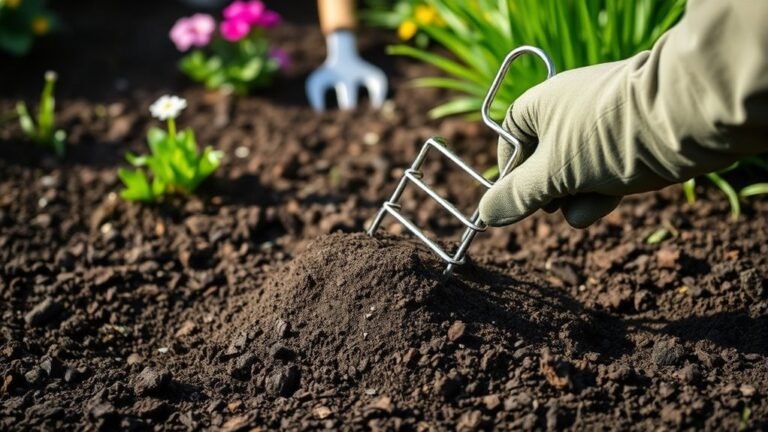
To start, loosen the soil deeply to improve aeration and water retention. Mix in organic matter like compost or well-rotted manure to boost fertility and moisture-holding capacity.
Since these gardens face harsher conditions, applying a balanced, slow-release fertilizer will provide steady nutrients over time. Avoid over-fertilizing, as too much can harm plants in this environment.
Mulching after fertilizing helps conserve moisture and keeps the soil temperature stable.
Regularly test your soil’s pH and nutrient levels so you can adjust your fertilizing routine accordingly.
Proper soil prep sets a strong foundation for your south facing garden’s success.
Creative Plant Combinations to Maximize Your South Facing Space
With well-prepared soil and balanced nutrients in place, you can focus on selecting plant combinations that thrive in the bright, warm conditions of a south facing garden. To maximize your space, consider these creative pairings:
- Sun-loving perennials with drought-tolerant succulents: Combine echinacea or lavender with sedum or aloe to guarantee continuous color and texture without overwatering.
- Climbers and groundcovers: Pair a flowering vine like clematis with low-growing thyme or creeping phlox to cover vertical and horizontal space efficiently.
- Herbs with vegetables: Mix basil, rosemary, and tomatoes for both beauty and practicality, benefiting from the ample sunlight.
These combinations offer visual interest, efficient use of space, and resilience, helping you make the most of your south facing garden’s potential.
Frequently Asked Questions
How Does a South Facing Garden Affect Home Energy Efficiency?
You’ll boost your home’s energy efficiency with a south facing garden by maximizing sunlight exposure, which naturally warms your space in winter and reduces heating costs.
In summer, shading plants can keep it cooler, cutting cooling expenses.
Can South Facing Gardens Support Vegetable Gardening Year-Round?
You’re holding a golden key—yes, your south-facing garden can support year-round vegetable gardening. Its sunlight acts like a warm embrace, helping you grow crops even in colder months with smart choices and protective covers.
With the right planning, you can extend your growing season significantly. Using cold frames, cloches, or row covers protects plants from frost. Choosing hardy vegetables ensures a steady harvest through winter.
What Are the Best Outdoor Furniture Materials for South Facing Gardens?
You’ll want durable, weather-resistant materials like teak, aluminum, or synthetic rattan for your south-facing garden. These handle sun exposure well, resist fading, and stay comfortable, letting you enjoy your outdoor space without constant upkeep or worry.
How Do Wildlife and Pollinators Interact With South Facing Gardens?
You’ll attract more wildlife and pollinators in a south facing garden because it’s warmer and sunnier. Bees, butterflies, and birds love these conditions, helping your plants thrive by pollinating flowers and controlling pests naturally.
These favorable conditions create an inviting habitat for various species, encouraging biodiversity in your garden. As a result, your plants benefit from increased pollination rates and natural pest management. This interaction supports a healthier, more vibrant garden ecosystem.
Are South Facing Gardens Suitable for Container Gardening on Balconies?
Think of your balcony as a sunlit stage—perfect for container gardening. You’ll enjoy vibrant growth with plenty of sunlight, but make sure to water often and choose heat-tolerant plants to keep your mini garden thriving.
Conclusion
Just like the sun famously kissed the gardens of Versailles, your south facing garden holds untapped magic. By choosing the right plants, managing heat wisely, and balancing sun with shade, you can turn your outdoor space into a vibrant sanctuary.
With thoughtful watering, soil care, and creative design, you’ll harness the sun’s power all year round. So, grab your gardening gloves—it’s time to make your sunny garden truly shine.
Maximizing the potential of a south facing garden means embracing its unique advantages. By focusing on plant selection, heat management, and sustainable care, you can create a thriving garden that enjoys full sun exposure every day.