How to Get Rid of Rats in Your Garden During Daylight
To get rid of rats in your garden during daylight, start by removing accessible food sources like fallen fruit and unsecured compost. These are like open invitations for rats looking for an easy meal.
Clearing clutter and dense vegetation is also key because rats love to hide and nest in those cozy spots.
Next, use snap traps baited with peanut butter along rat paths. Rats can’t resist that!
Setting hardware cloth barriers around garden beds helps block their entry, making it harder for them to invade your plants.
Keep an eye on your traps and barriers regularly to catch any new rat activity early.
Stick with this routine, and you’ll soon find even more ways to keep those pesky rats under control outdoors. It’s all about staying consistent and proactive!
Key Takeaways
- Remove accessible food sources like fallen fruits and birdseed to reduce daytime rat attraction. This makes your garden less inviting for them during the day.
- Clear clutter and dense vegetation to eliminate potential daytime nesting sites. Rats love hiding spots, so keeping things tidy helps a lot.
- Place snap or live traps along rat pathways and near nests, checking them frequently. It’s important to stay on top of this so the traps remain effective.
- Install hardware cloth barriers around garden beds and compost bins to block rat entry. These barriers act as a strong physical defense against unwanted visitors.
- Regularly inspect and maintain traps, barriers, and garden hygiene to sustain daytime rat control. Staying consistent is key to keeping rats away for good.
How To Identify And Remove Rat Food And Nesting Sites In Your Garden
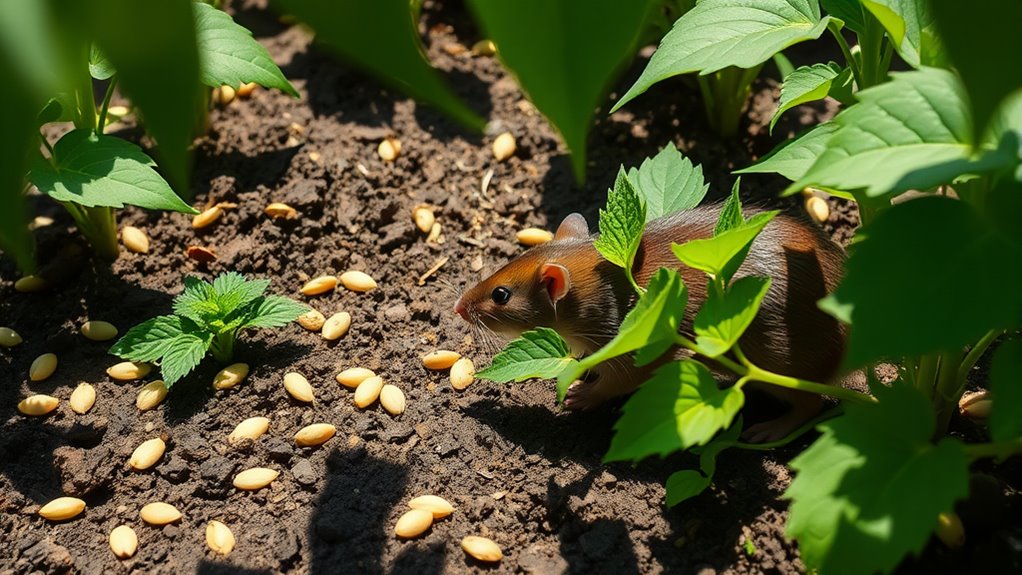
Before rats settle in, you need to identify and eliminate their food sources and nesting spots in your garden. Start by inspecting for accessible food like fallen fruits, birdseed on the ground, and unsecured compost piles—these attract rats quickly.
Seal food storage by using rodent-proof containers with tight-fitting lids for pet food, birdseed, and compost to eliminate easy access. Next, clear clutter such as piles of wood, leaves, or garden clippings, which serve as ideal nesting sites.
Check dense vegetation and areas under sheds for nests made from shredded leaves or fabric. Maintaining garden hygiene is essential, so regularly dispose of food waste and clean up spills promptly.
Setting Traps And Installing Barriers For Effective Rat Control
Once you’ve removed food sources and nesting sites, you can focus on setting traps and installing barriers to control rats effectively. Use snap traps baited with peanut butter or dried fruit. Place them along rat pathways for effective capture during daylight.
Set live traps near nesting sites in shaded areas. Make sure to monitor traps regularly so you don’t accidentally harm captured rats.
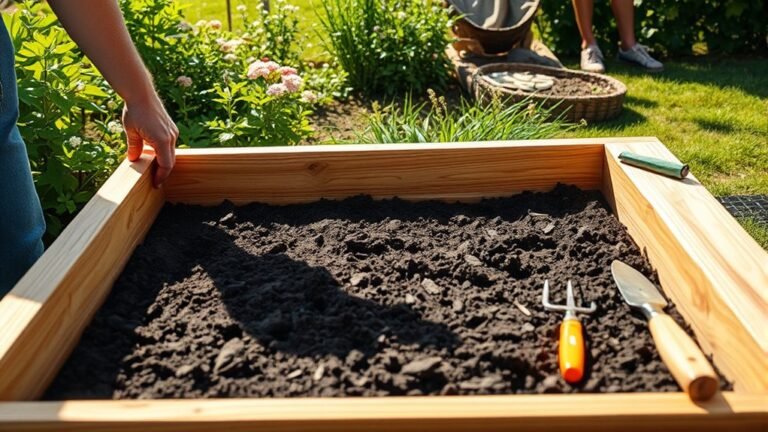
Install hardware cloth barriers around garden beds and compost bins. Bury them at least six inches deep to block burrowing.
You can also create physical obstacles like stacked stones or wooden planks in common rat runs. This helps disrupt their pathways and encourages them to relocate.
Keep checking and adjusting traps and barriers based on rat activity. That way, your efforts stay targeted and efficient in keeping your garden rat-free.
Frequently Asked Questions
How to Get Rid of Rats Permanently in the Garden?
You’ll get rid of rats permanently by sealing all entry points, removing food sources, setting traps regularly, encouraging natural predators like cats, and monitoring your garden often to catch and stop infestations early. Stay consistent!
What Do Rats Hate in the Garden During the Day?
Don’t beat around the bush—rats hate strong scents like peppermint oil, lavender, and catnip. You’ll also find crushed eggshells or diatomaceous earth drive them off. Keep your garden clean to make it less inviting.
What Repels Rats Immediately Outside?
You can repel rats immediately outside by planting strong-smelling herbs like peppermint and lavender or spraying a vinegar and peppermint oil mix. Using balsam fir oil and predator scents like cat fur also works instantly.
Should I Be Worried if I See a Rat in My Garden?
Spotting a rat in your garden is a red flag—it means trouble’s lurking. You should worry because rats multiply fast, damage plants, and spread disease. Act quickly to protect your garden and family’s health.
Conclusion
By identifying and removing rat food and nesting sites, you cut off their resources and make your garden less inviting. Setting traps and installing barriers are practical steps that can greatly reduce rat activity.
Did you know rats can squeeze through openings as small as a quarter? That’s why sealing every tiny gap is essential.
With these strategies, you’ll reclaim your garden and enjoy a pest-free outdoor space during daylight hours. Taking control of rats in your garden during daylight not only protects your plants but also creates a safe environment for you and your family. Remember, consistent effort is key—combining food removal, nest elimination, trapping, and sealing entry points will keep those pesky rats away for good. So, start today and make your garden a rat-free zone where you can relax and enjoy the outdoors without worry.