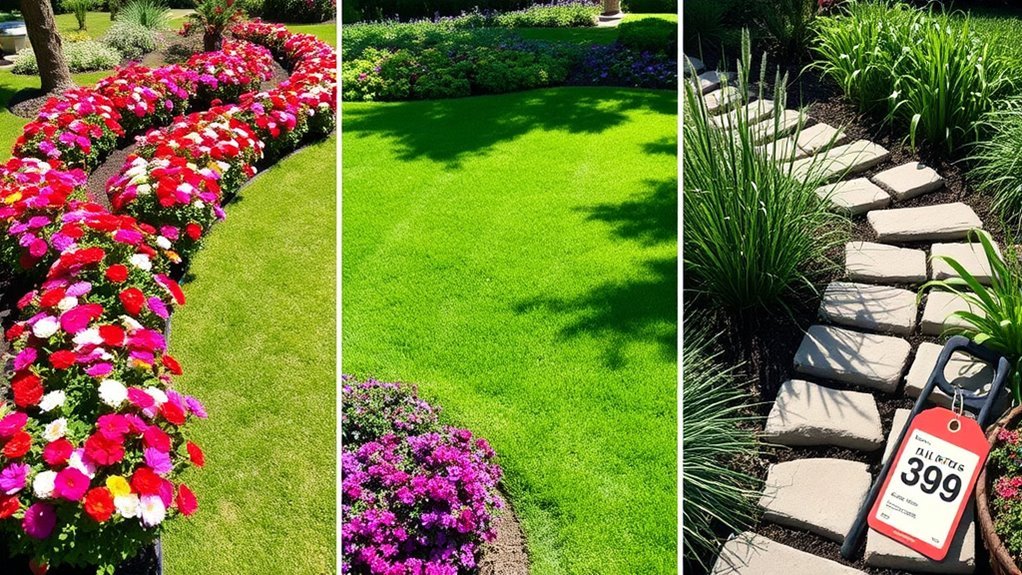
3 Key Factors That Affect How Much It Does Cost to Landscape a Garden
When landscaping your garden, size, material choices, and design complexity are key cost factors that affect how much it does cost to landscape a garden. Larger gardens require more plants and labor, which drives up expenses significantly.
Choosing premium materials like natural stone increases upfront costs compared to budget-friendly options such as concrete. Additionally, complex designs featuring elements like water features or custom stonework add to both material and labor charges.
Understanding these factors helps you manage your budget effectively. It also allows you to find more ways to balance cost and style in your garden landscaping project.
How Garden Size Affects Landscaping Costs
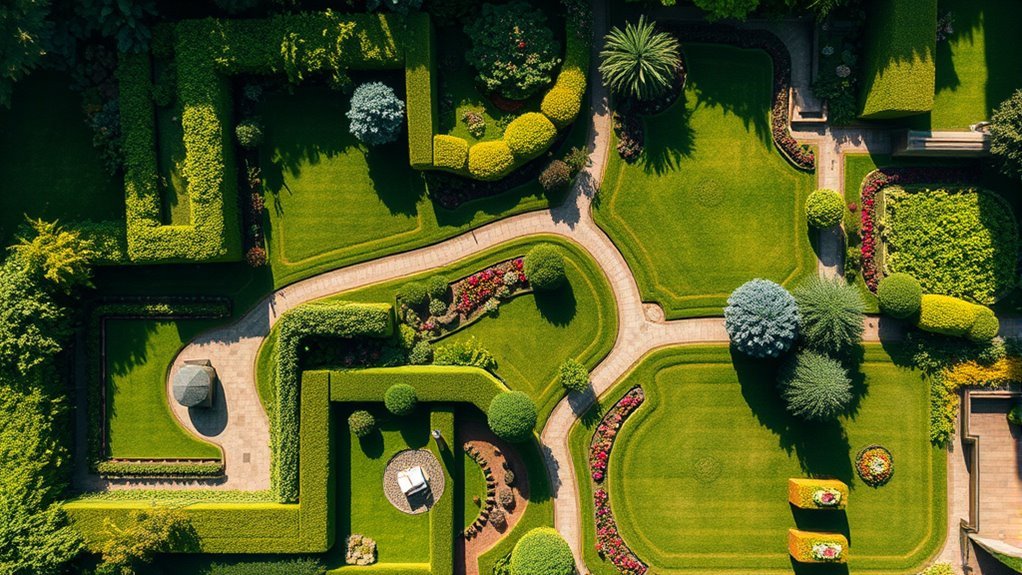
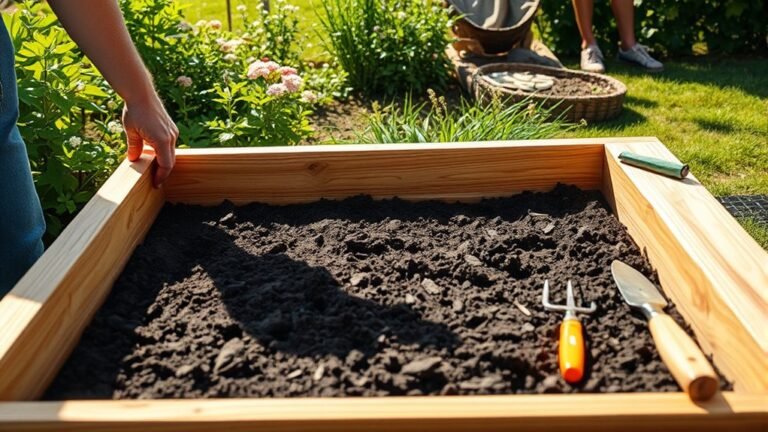
Because your garden’s size directly influences the amount of materials and labor needed, it plays a major role in determining landscaping costs. When you have a larger garden, you’ll need more soil, plants, and other supplies, which naturally increases expenses.
Plus, the labor involved will be more intensive and time-consuming, meaning you’ll likely pay more for professional help. Even if you plan to do some work yourself, a bigger space still demands more effort and time.
On the other hand, a smaller garden requires fewer resources and less labor, making it easier on your budget.
How Material Choices Impact Your Landscaping Budget
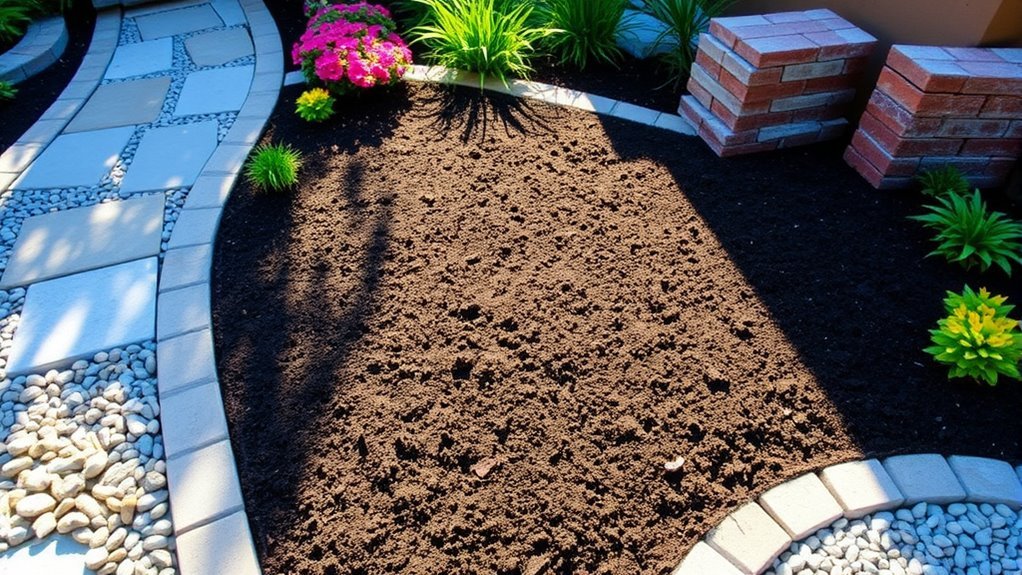
Since the materials you choose make up a large part of your garden’s appearance and durability, they also considerably affect your landscaping budget. Opting for premium materials like natural stone or hardwood will boost costs but can enhance longevity and visual appeal.
On the other hand, synthetic options or concrete might save you money upfront but could require more maintenance or replacement sooner. You’ll also want to evaluate local availability; materials sourced nearby typically cost less due to lower transportation fees.
Additionally, some materials require specialized installation, which can increase labor expenses. Balancing aesthetics, durability, and cost is key.
How Design Complexity Influences Landscaping Expenses
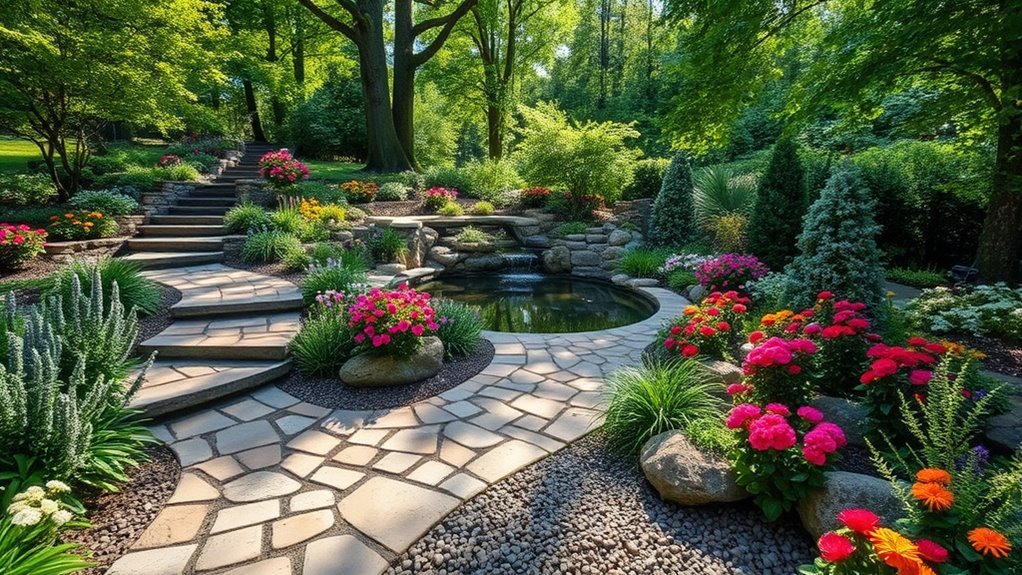
When you add intricate features like tiered garden beds, water elements, or custom pathways, your landscaping expenses tend to rise. Complex designs require more labor, specialized skills, and higher-quality materials, all of which increase costs.
Simpler layouts keep costs down but might limit visual impact. Here’s a quick look at how design complexity influences expenses:
| Design Complexity | Features Included | Cost Impact |
|---|---|---|
| Low | Basic lawn, simple planting | Minimal |
| Medium | Flower beds, small patios | Moderate |
| High | Tiered beds, water features | Significant |
| Very High | Custom stonework, lighting, paths | Very significant |
You can control your budget by choosing the right balance between complexity and your desired aesthetic.
Frequently Asked Questions
How Long Does a Typical Landscaping Project Take?
A typical landscaping project takes anywhere from a few days to several weeks, depending on your garden’s size and complexity.
You’ll want to plan for weather delays and allow time for plants to settle in properly.
Are There Seasonal Discounts for Landscaping Services?
You might think landscaping discounts are rare, but many companies offer seasonal deals, especially in slower months. You should definitely ask—taking advantage can save you money while getting your garden ready for prime growing seasons.
What Maintenance Costs Should I Expect After Landscaping?
You’ll need to budget for regular lawn mowing, watering, fertilizing, pruning, pest control, and seasonal clean-ups. Costs vary by garden size and plant types, but expect ongoing maintenance to keep your landscape vibrant and healthy.
Can I Do Any Landscaping Myself to Save Money?
Yes, you can handle simple tasks like planting, mulching, and basic pruning yourself. Doing so saves money and gives you control.
Just be sure to research proper techniques to avoid costly mistakes later on.
How Do Local Regulations Affect Landscaping Costs?
You’ll find that local regulations can increase landscaping costs by up to 20%. They require permits, inspections, or restrictions on plant types, so you’ll need to budget extra time and money to comply with these rules.
Understanding these requirements beforehand can help you plan better and avoid unexpected expenses. Make sure to check with local authorities before starting your landscaping project. This will ensure your design meets all regulations and saves you from costly adjustments later.
Conclusion
When planning your garden landscaping, remember that size, material choices, and design complexity all shape your budget. You might think sticking to a simple design saves money, but thoughtful complexity can add value and enjoyment that’s worth the investment.
By balancing these factors wisely, you can create a beautiful outdoor space without overspending. So, don’t hesitate to explore options—you’ll find a plan that fits both your style and your wallet.
In conclusion, understanding the key factors that affect how much it does cost to landscape a garden will help you make informed decisions. Keep size, materials, and design complexity in mind to achieve a stunning and affordable garden.