How to Get Rid of Rats in Your Garden
To get rid of rats in your garden, start by spotting early signs like droppings, gnaw marks, and burrows. Identifying these signs early is crucial for effective rat control. Remove food sources by securing compost bins, picking up fallen fruit, and trimming overgrown plants.
Use live traps or natural repellents like peppermint oil to discourage rats from settling in your garden. Protect plants with wire mesh or guards to prevent damage. Keep your garden clean by clearing debris and sealing trash bins tightly.
With these steps, you can take control and discover more ways to keep your garden rat-free. Consistent maintenance and vigilance are key to preventing future infestations.
Spot Early Signs of Rats in Your Garden
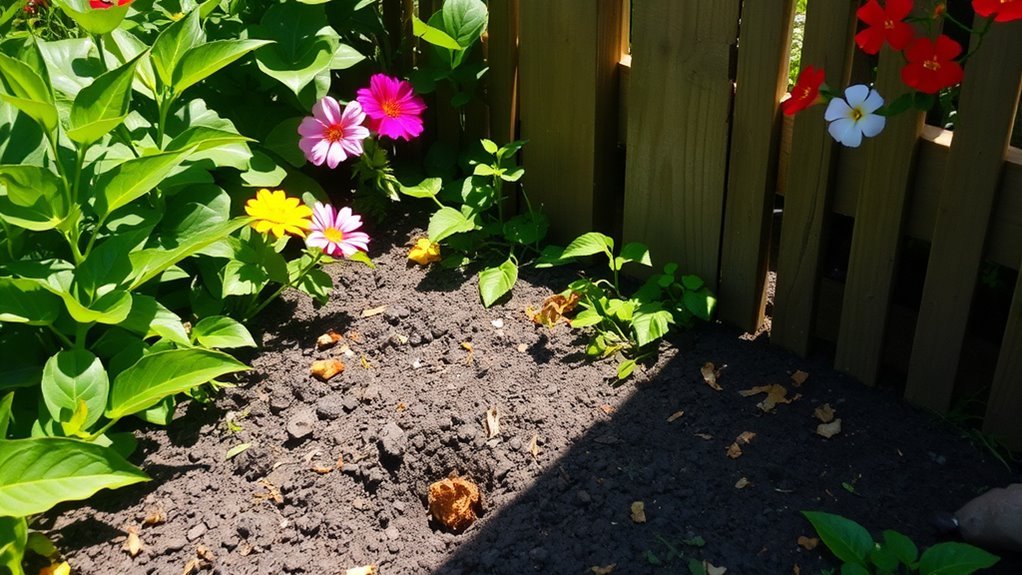
How can you tell if rats have invaded your garden? Look for droppings—they’re small, dark, and pellet-shaped, often found near burrows or along pathways. You might hear scratching or scurrying, especially at night.
Check for gnaw marks on wooden structures, plant stems, or garden tools; rats constantly chew to keep their teeth sharp. You may spot burrows with smooth, worn entrances about 2-3 inches wide, typically near fences or under sheds.
Rats also leave greasy rub marks along walls or fences from their fur brushing against surfaces. If you notice damaged fruits or vegetables with irregular bite marks, that’s another clue. Catching these signs early helps you act quickly before the infestation grows out of control.
Remove Food and Shelter to Deter Rats
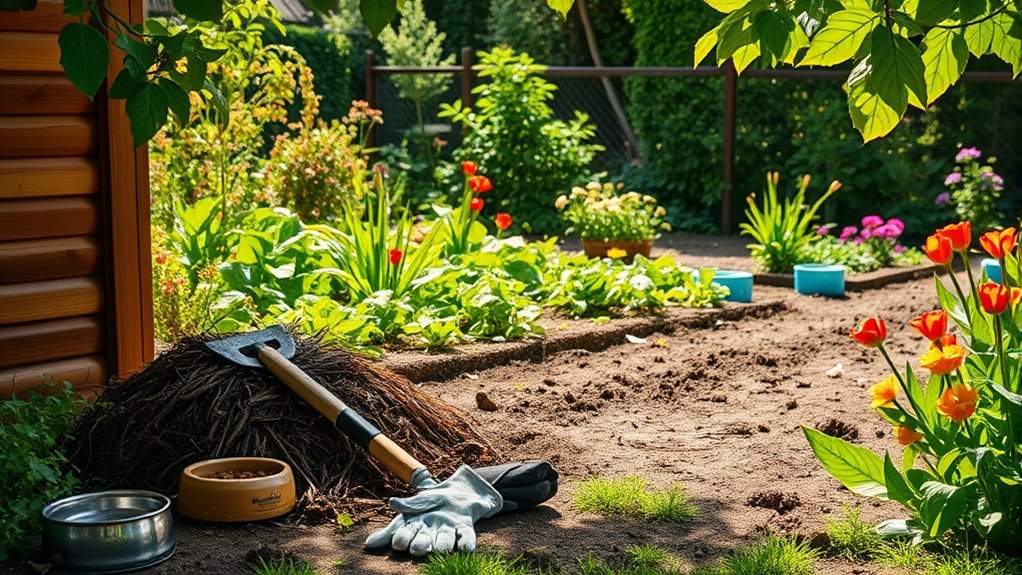
Once you’ve identified signs of rats in your garden, the next step is to make your space less inviting. Start by removing any food sources—secure compost bins with tight lids, pick up fallen fruit, and avoid leaving pet food outside overnight. Clear away birdseed spills and cover your vegetable patches with netting if needed.
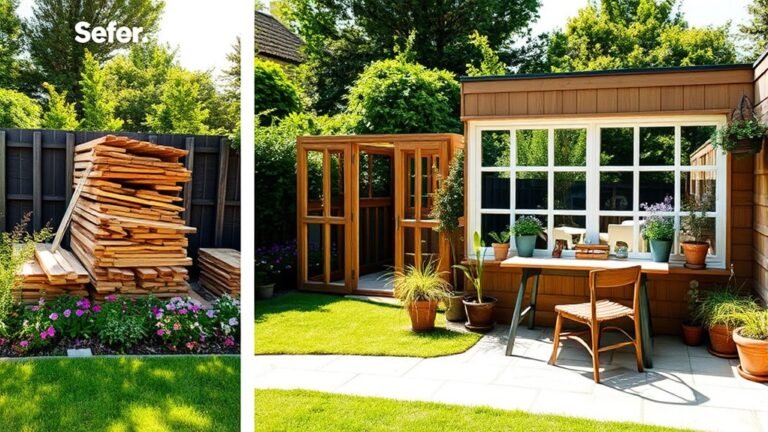
Next, eliminate shelter by trimming overgrown bushes, tall grass, and dense ground cover where rats hide. Store firewood and garden materials at least a foot off the ground and away from walls. Seal holes or gaps in fences and garden sheds to block entry points.
Try Safe and Effective Ways to Control Rats

Although removing food and shelter is essential, you’ll likely need to take additional steps to keep rats under control. You can try safe and effective methods that reduce rat populations without harming beneficial wildlife.
Here are four practical ways to control rats in your garden:
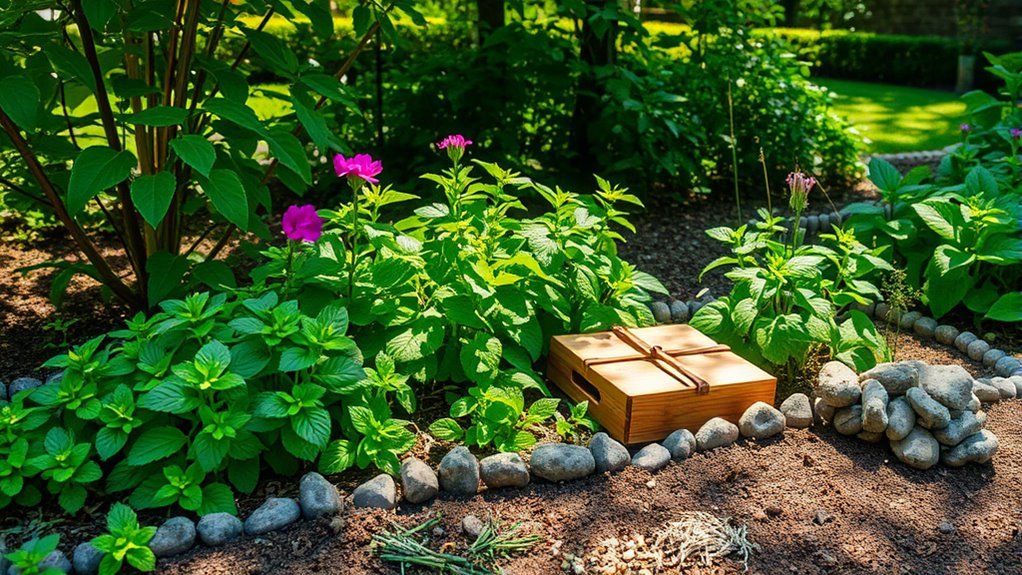
- Use live traps to catch and release rats far from your property.
- Apply natural repellents like peppermint oil or garlic spray to deter rats.
- Encourage predators such as owls or cats by providing habitats or shelter.
- Keep compost bins sealed tightly to deny rats easy food sources.
Protect Your Plants From Rats With Physical Barriers
When rats threaten your garden, installing physical barriers can protect your plants effectively. Start by surrounding vulnerable plants with wire mesh or hardware cloth, making certain the mesh’s holes are no larger than half an inch. Bury the mesh a few inches underground to stop rats from digging underneath.
You can also use plant cages or garden cloches made of sturdy materials to shield young seedlings. Raised garden beds with secure bottoms can further deter rats from accessing roots.
For fruit trees or bushes, wrap trunks or stems with metal guards to prevent gnawing.
These barriers create a strong, physical line of defense that rats can’t easily bypass, helping you safeguard your garden without relying solely on poisons or traps.
Consistent inspection ensures these barriers stay intact and effective.
Keep Your Garden Clean to Prevent Rat Infestations
Because rats are attracted to food scraps and clutter, keeping your garden clean is essential to preventing infestations. You want to remove anything that might provide food or shelter for rats. Start by regularly clearing away fallen fruits, vegetables, and plant debris.
Next, keep compost bins sealed tightly to avoid inviting rodents. Don’t let trash pile up—use secure bins with lids.
Finally, trim overgrown vegetation where rats can hide.
Follow these steps:
- Pick up fallen fruits and vegetables promptly.
- Seal compost bins to block access.
- Use trash bins with tight-fitting lids.
- Keep bushes and grass trimmed short.
Frequently Asked Questions
Can Rats Transmit Diseases to Humans Through Garden Soil?
Yes, rats can transmit diseases to you through garden soil contaminated with their urine or feces. You should always wear gloves, wash hands thoroughly, and avoid direct contact with soil where rats might have been active.
Taking these precautions helps reduce the risk of infection and keeps you safe while gardening. Always be mindful of the environment and maintain good hygiene practices.
Are Ultrasonic Rat Repellents Safe for Pets and Wildlife?
Ultrasonic rat repellents are generally safe for pets and wildlife, but they can be like an unexpected thunderclap for sensitive animals.
You should monitor your pets closely and adjust use if they show discomfort or stress.
How Quickly Can a Rat Infestation Spread in a Garden?
A rat infestation can spread rapidly in your garden, sometimes within days or weeks. Rats reproduce fast, so you’ll notice increasing activity quickly if you don’t act.
Early detection and control are key to stopping them.
What Natural Predators Help Control Rat Populations?
You’ll find owls, snakes, and hawks are the cream of the crop when it comes to natural rat control. They swoop in and keep the rat population down, doing the heavy lifting while you relax.
Is It Legal to Trap and Relocate Rats in My Area?
You’ll need to check your local laws because trapping and relocating rats isn’t always legal. Some areas prohibit it due to ecological concerns or animal welfare rules, so contact wildlife authorities before you act.
Conclusion
By spotting early signs and removing food and shelter, you’ll create a garden where rats can’t hide. Picture your vibrant plants shielded by sturdy barriers, standing tall against unwanted visitors. With safe control methods and a clean, tidy space, your garden will flourish, free from the scurrying shadows of rats.
You’ll enjoy a peaceful sanctuary where every leaf and bloom thrives, inviting nature’s beauty without the nuisance of pests. Effective rat control in your garden ensures a healthy environment, protecting your plants and maintaining balance. Implementing these strategies will keep rats away, allowing your garden to grow strong and pest-free.