5 Tips to Deter Pigeons From Your Garden but Not Other Birds
To keep pigeons out but welcome other birds, use effective pigeon deterrents like trimming dense shrubs and installing bird spikes on ledges to limit pigeon roosting. These simple pigeon control methods help maintain a balanced garden environment.
Use feeders with small or no perches and avoid ground feeding to discourage pigeons from settling. Managing food by cleaning up fallen fruit and using covered bins also reduces their attraction.
Try natural repellents such as peppermint oil and plant herbs like rosemary to keep pigeons away. Hanging reflective objects or predator decoys offers additional visual deterrents. These simple steps set the stage for a bird-friendly garden with fewer pests.
Modify Your Garden To Reduce Pigeon Roosting And Nesting
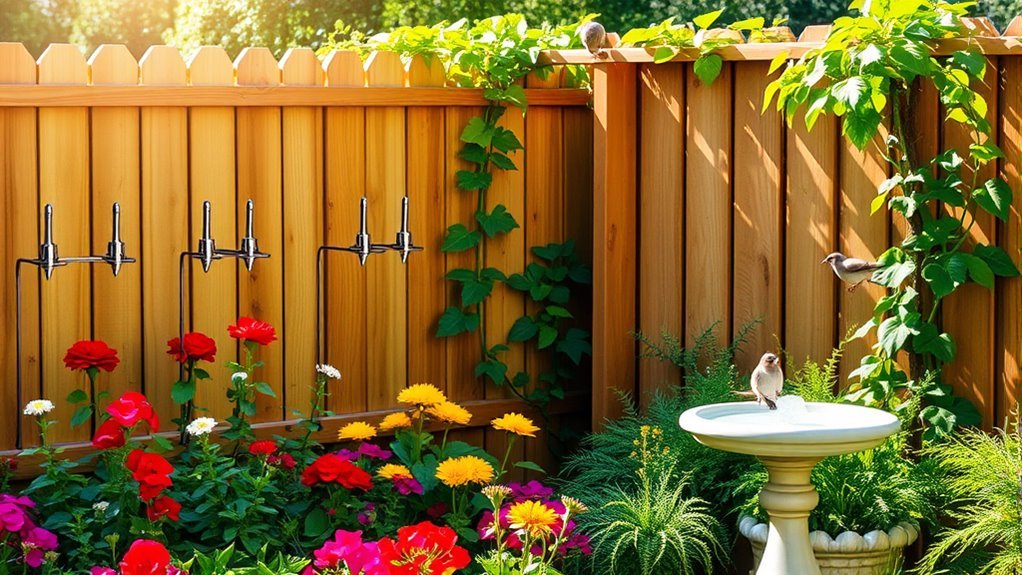
Although pigeons are persistent, you can modify your garden to make it less inviting for roosting and nesting. Start by trimming dense shrubs and tall trees where pigeons love to settle. You don’t want to eliminate all greenery, but keeping branches well-pruned reduces their preferred roosting spots.
Next, install angled surfaces on ledges and fences—pigeons struggle to balance on sloped areas, so they’ll move elsewhere. You can also use bird spikes or netting in areas where they tend to land.
Avoid dense ground cover near walls since pigeons may nest there.
Finally, keep your garden tidy by removing old nests and debris regularly. These changes discourage pigeons from settling without harming other birds, helping you protect your garden effectively.
Manage Food And Waste To Avoid Attracting Pigeons
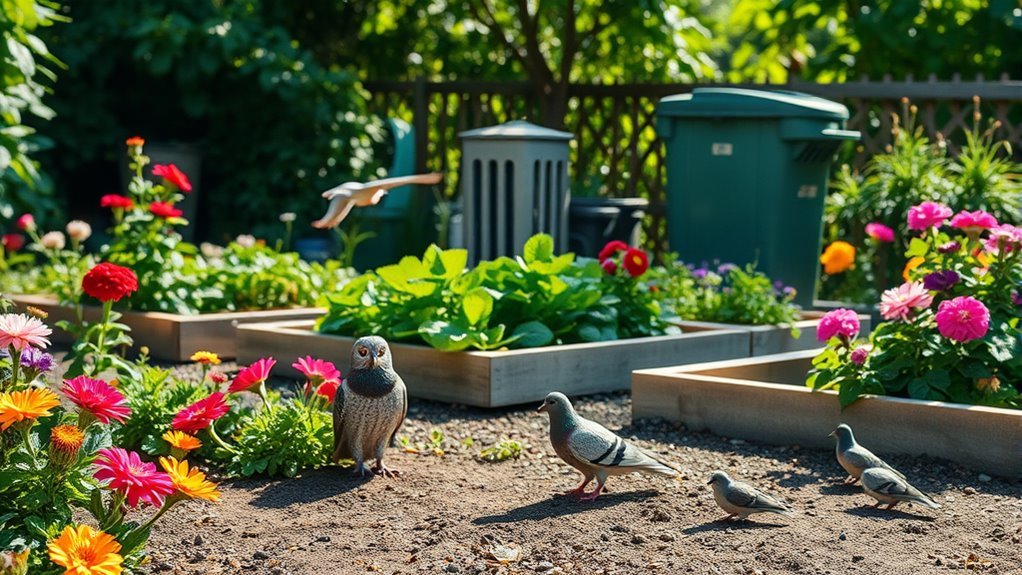
Modifying your garden to discourage pigeons from roosting is just one part of keeping them away. You also need to manage food and waste carefully. Avoid leaving pet food or spilled birdseed on the ground, as this easily attracts pigeons.
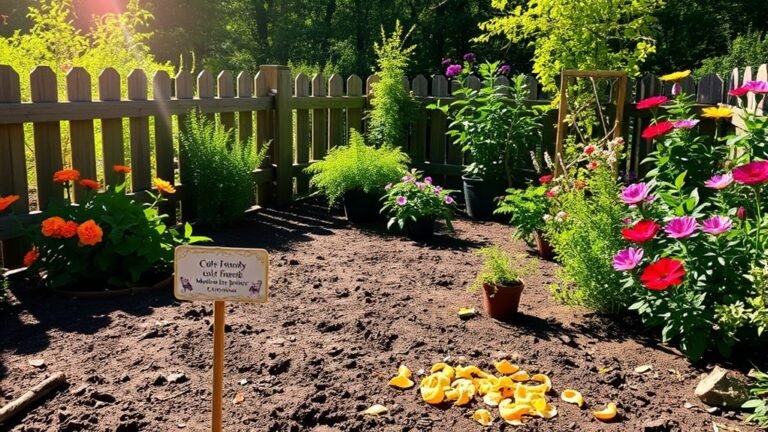
Use covered bins for compost and garbage to prevent pigeons from scavenging. Regularly clean up fallen fruits, nuts, or seeds from trees and plants in your garden.
If you feed birds, opt for foods that pigeons don’t prefer, and clean feeders promptly to avoid spills.
Choose Bird Feeders That Keep Pigeons Away
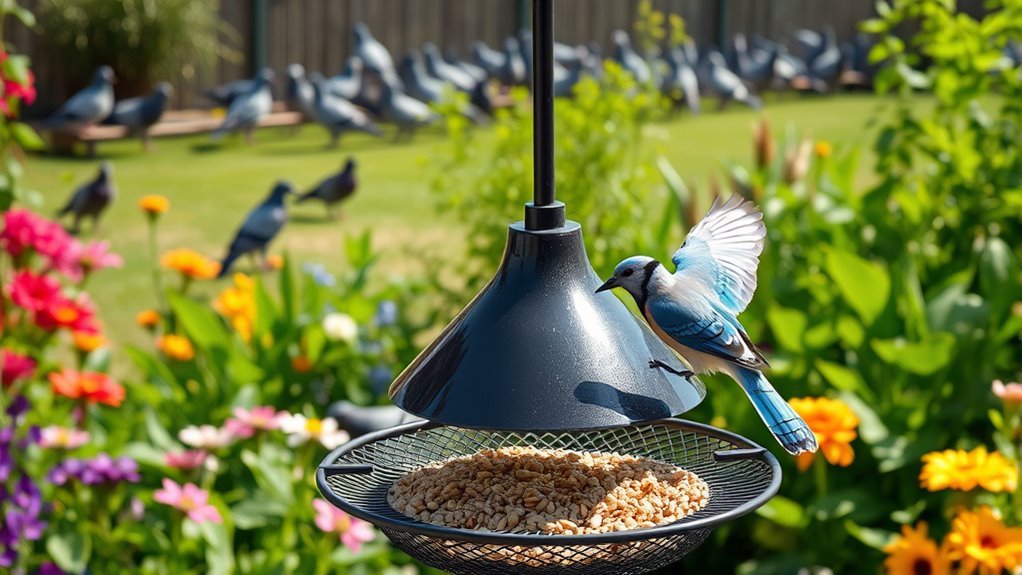
How can you enjoy feeding your garden birds without attracting pigeons? Choosing the right bird feeders makes all the difference. Opt for feeders with small perches or no perches at all, as pigeons struggle to land on them.
Tube feeders with narrow openings work well, allowing smaller birds to feed while keeping pigeons out.
Platform feeders with raised edges can also deter pigeons since they prefer flat surfaces to comfortably eat.
Hanging feeders that swing or move discourage pigeons because they dislike unstable footing.
Avoid ground feeders or large trays, as pigeons easily access these.
Use Natural Repellents To Deter Pigeons Safely
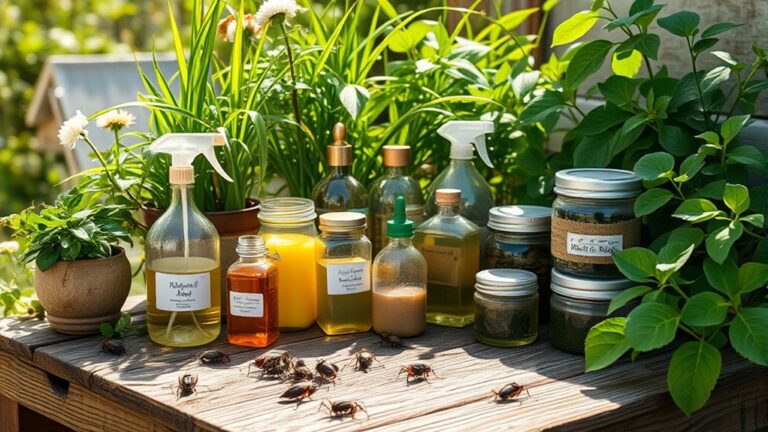
If you want to keep pigeons away without harming them or your garden, natural repellents offer a safe and effective solution. You can use scents like peppermint oil or garlic, which pigeons find unpleasant but won’t affect other birds. Simply dilute essential oils with water and spray them around areas where pigeons gather.
Another option is planting herbs such as rosemary, lavender, or marigolds—they naturally repel pigeons while attracting beneficial pollinators.
You might also sprinkle crushed chili flakes in spots pigeons frequent, but be careful not to place it where other birds feed.
These natural methods create an environment pigeons avoid without causing harm, letting you protect your garden and enjoy the presence of other bird species safely.
Install Visual Deterrents To Gently Discourage Pigeons
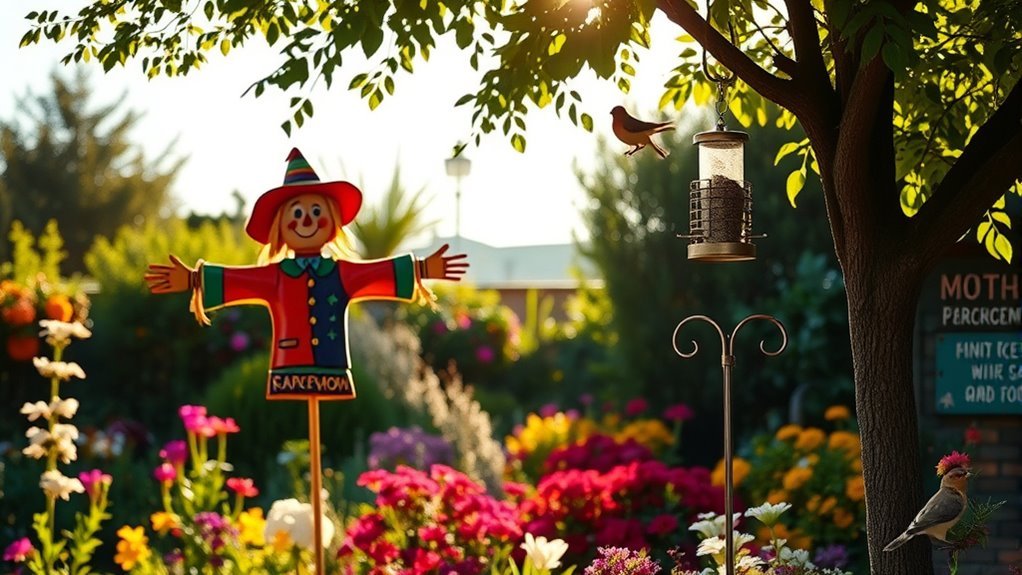
Although pigeons can be persistent visitors, you can gently discourage them by installing visual deterrents in your garden. Reflective objects like old CDs, aluminum foil strips, or specially designed bird scare tape catch sunlight and create flashes that pigeons dislike.
Hanging shiny wind chimes or moving pinwheels also helps, as the movement unsettles them without harming other birds.
You might try placing fake predators, such as owl or hawk decoys, to make pigeons think the area is unsafe. Just remember to move these decoys regularly to keep pigeons from getting used to them.
These visual deterrents work best when combined with other methods, ensuring your garden stays welcoming to smaller, beneficial birds while keeping pigeons at bay.
Frequently Asked Questions
Can Pigeons Carry Diseases Harmful to Humans or Pets?
Yes, pigeons can carry diseases harmful to you and your pets, like histoplasmosis and salmonella. You should avoid direct contact with their droppings and keep your garden clean to reduce health risks effectively.
What Time of Day Are Pigeons Most Active in Gardens?
Pigeons are most active in your garden during early morning and late afternoon when they search for food and water. You’ll notice them feeding, preening, and socializing during these cooler, quieter parts of the day.
These times offer a more comfortable environment for pigeons, avoiding the heat of midday. Their activity peaks as they take advantage of the calm to forage and interact with others.
Are There Any Legal Restrictions on Deterring Pigeons?
Yes, you’ll want to check local laws since some places protect birds or regulate deterrents. Avoid harmful methods like poison or traps.
Humane, non-lethal options like visual deterrents are usually allowed and safer for everyone.
How Can I Tell if Pigeons Are Nesting Nearby?
Pigeons nesting nearby is like a whispered secret; you’ll spot twigs and leaves piled in hidden corners, hear cooing sounds at dawn, and notice feathers or droppings around ledges or eaves close to your garden.
These subtle signs often go unnoticed at first but become clearer with time. Keep an eye out for small gatherings of pigeons fluttering near the same spots.
Their presence is usually quiet but consistent, revealing their nesting sites through these gentle clues.
Do Pigeons Prefer Certain Types of Plants or Trees?
Pigeons don’t prefer specific plants but like trees with dense foliage for nesting, like evergreens.
You’ll often find them near fruit trees or flat-topped trees that provide good perching and shelter spots.
Conclusion
By making simple changes to your garden, you can discourage pigeons without harming other birds. Did you know pigeons can consume up to 15% of their body weight daily? Managing food and waste carefully limits their attraction.
Using natural repellents, specific feeders, and visual deterrents helps keep your garden peaceful and bird-friendly.
With these tips, you’ll enjoy a vibrant space filled with beautiful birds, not pesky pigeons. Implementing these pigeon deterrent strategies ensures your garden remains a safe haven for all other birds while effectively managing pigeon presence.